
RoadBuddy provides independent information to help drivers compare auto insurance options with confidence. We may earn a commission when you click on partner links, but this never affects our reviews or recommendations. Our content is researched and published independently.
Advertiser Disclosure
RoadBuddy is a free resource that helps drivers compare auto insurance options.
We may receive compensation from some insurance companies and partners when you click on links or request a quote through our site. This may affect where offers appear, but it does not influence our reviews, guidance, or editorial decisions.
Our content is researched and written independently to give you clear and unbiased information.
By using RoadBuddy, you acknowledge and accept this disclosure. Learn more.
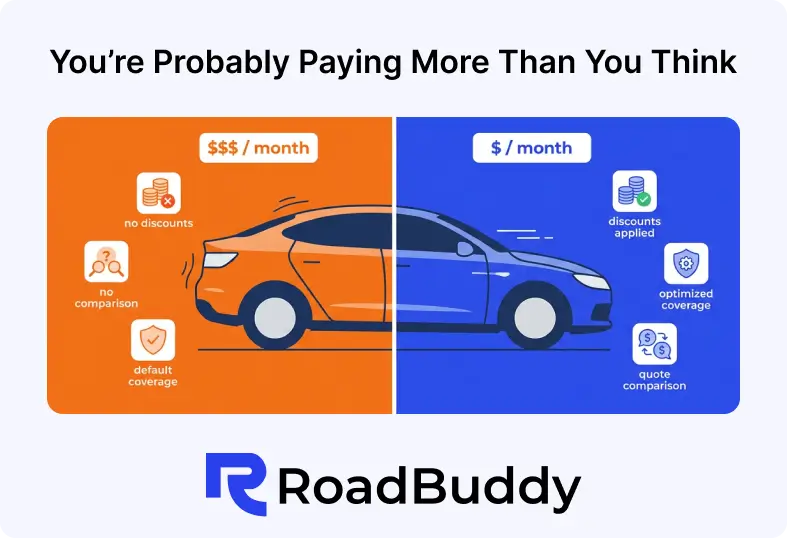
Auto insurance is one of those expenses that just sits there on your bill, month after month, and it’s easy to feel trapped. You need coverage by law in most places, but the premiums can genuinely sting your budget. The frustrating part is that most people don’t realize they’re probably paying more than they should. Not because they’re being ripped off, exactly, but because they haven’t done the groundwork to optimize what they’re already buying.
Here’s the reality: affordable auto insurance doesn’t mean cutting yourself down to dangerous minimum coverage. It means being strategic about where your money actually goes and discovering savings that most drivers overlook. The good news is that these strategies are accessible to almost anyone willing to spend a little time understanding their options.
Start With the Discount Conversation You’re Not Having
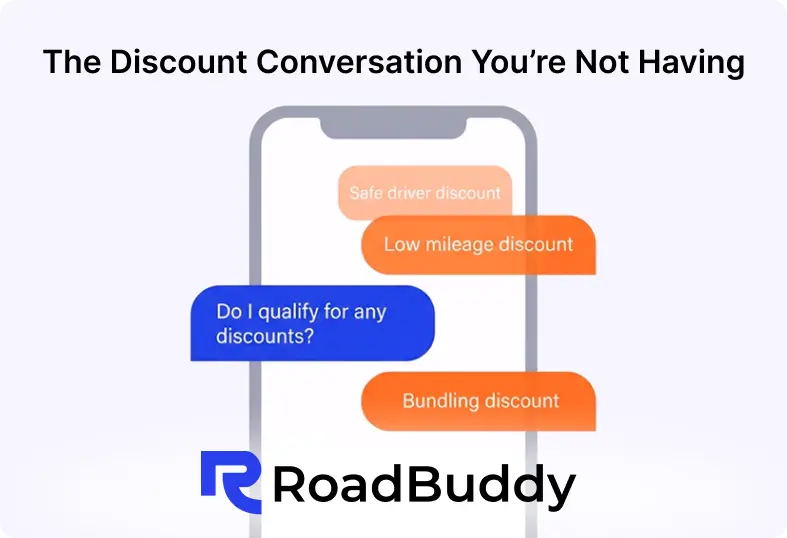
The first move toward genuine affordability is actually deceptively simple. Insurance companies offer dozens of discounts, but here’s the problem – many aren’t automatically applied, and plenty aren’t widely advertised. That safe driving record you’ve been maintaining for years? There’s likely a discount waiting. Working from home more than you used to? That reduced mileage deserves recognition in your premium.
Take the time to call your insurance company and ask them directly what discounts are available to you. Some of the discounts may include discounts for being a good driver, discounts for good grades if the student on your policy has good grades, and discounts for taking defensive driving courses. While not always obvious when shopping online, they are there and can help you save money.
Then there are the not-so-obvious discounts. Professional affiliations, alumni organizations, employer discounts, and membership organizations such as AAA or AARP may include insurance discounts as part of the package. If you own a car equipped with contemporary safety features such as forward collision warning or automatic emergency braking, let your agent know. Anti-theft systems will also make you eligible for substantial discounts. The trick is to not presume that you have already been offered all the discounts available, which most people have not.
Make Sure You’re Not Overpaying
You’ll be redirected to our partner’s site to get offers.
Advertiser Disclosure
RoadBuddy is a free resource that helps drivers compare auto insurance options.
We may receive compensation from some insurance companies and partners when you click on links or request a quote through our site. This may affect where offers appear, but it does not influence our reviews, guidance, or editorial decisions.
Our content is researched and written independently to give you clear and unbiased information.
By using RoadBuddy, you acknowledge and accept this disclosure. Learn more.

Bundling: The Underrated Heavy Hitter
If you’re juggling auto insurance and home or renters insurance, you’re almost surely missing out on savings. This practice of bundling, where you buy both types of insurance from the same company, is no new-fangled trick – it’s one of the oldest and most proven ways that insurance companies reward loyalty, and it can save you a pretty penny.
When you bundle, you’re typically looking at savings somewhere between 10 and 25 percent on your policies. Some people see even more aggressive discounts. The math is worth doing before assuming bundling is right for you, though. If you own a collectible or specialty vehicle that’s harder to insure, or if your home insurance needs are complex, sometimes buying policies separately from different specialists actually costs less than bundling from a general provider.
The convenience factor matters too. Managing one customer service contact, one online portal, one billing date – that’s real value beyond just the discount itself.
The Deductible Decision That Actually Matters
Your deductible, which is the amount of money that you pay before your insurance policy takes effect, is also related to your premium. By increasing your deductible, you are able to reduce your monthly bill. The savings that you can enjoy by increasing your deductible vary from 15 percent to 40 percent, depending on the amount that you increase it by.
Of course, that’s when it gets real, because that only works if you can really afford to pay a higher deductible if you ever need to make a claim. If you’re already living paycheck to paycheck, it’s not a good idea to go from a $500 deductible to a $1,000 deductible because that means you’re hoping that you don’t have an accident.
The way to do this is to increase your deductible only to an amount that you could afford from savings in case something happened. This approach can be particularly effective if you have a strong safety net in the form of an emergency fund in place for collision and comprehensive coverage, which are optional. Liability coverage, which is mandatory, will protect you against lawsuits from other people.
Usage-Based Insurance: Actually Worth Considering
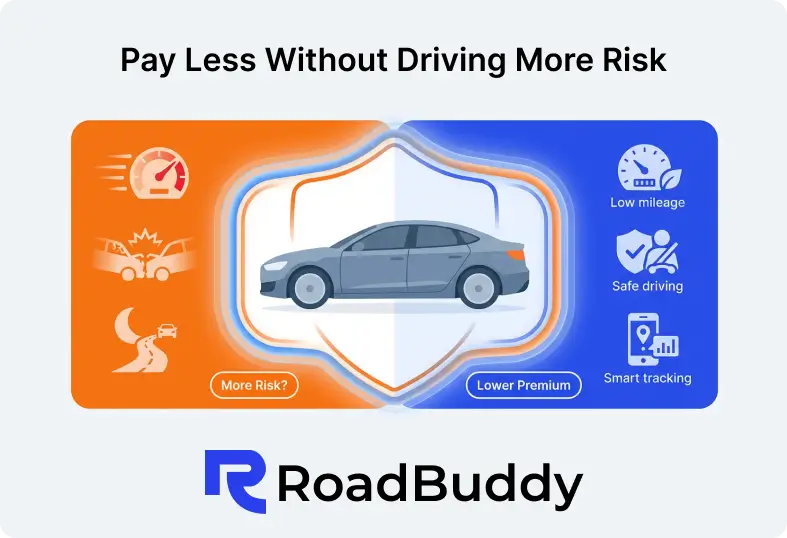
If you’re driving fewer than average miles, perhaps working from home, driving less to work, or using other transportation more than you used to, usage-based insurance, also known as telematics or “pay per mile” insurance, may be worth considering. Usage-based insurance monitors your driving habits using a smartphone app or a plug-in device that fits into your car. Safe driving can lead to substantial savings.
The appeal of this option is obvious to low-mileage drivers. If you are only driving 8,000 to 10,000 miles a year, compared to the 12,000 to 15,000 miles that most of us drive, you may be able to reduce your premiums by a large amount.
The tradeoff is that you’re giving up a level of privacy. You’re essentially agreeing to let your insurance company monitor your driving behavior. This includes things such as speeding, hard braking, driving at night, and miles driven. If you don’t have a problem with that level of privacy and you’re a safe driver, then it’s a great option. However, if you’re uncomfortable with that level of privacy, then it’s perfectly okay to pass.
The Timing and Payment Strategy
Another way in which you can affect your overall cost without realizing it is through the manner in which you pay your bills. Paying your insurance premium in full every year rather than monthly can attract a discount, which can be between 5 and 15 percent, due to the reduced costs associated with processing monthly payments.
Likewise, enrolling in automatic electronic payments or paperless billing can provide additional savings, usually in the range of 4 to 10 percent. While these discounts may not be significant in themselves, they add up.
The timing piece is important too. Insurance companies often give their best deals to new customers. So, if you are a loyal policyholder of the same insurance company over the years, it might actually be worthwhile to shop around every 6 to 12 months. Simply set a reminder on your calendar prior to your renewal date, and it won’t take any effort at all to see what the competition is quoting. You might find that you could save significantly by switching, or you might give your current insurance company a call and ask if they can match a better quote.
Make Sure You’re Not Overpaying
You’ll be redirected to our partner’s site to get offers.
Advertiser Disclosure
RoadBuddy is a free resource that helps drivers compare auto insurance options.
We may receive compensation from some insurance companies and partners when you click on links or request a quote through our site. This may affect where offers appear, but it does not influence our reviews, guidance, or editorial decisions.
Our content is researched and written independently to give you clear and unbiased information.
By using RoadBuddy, you acknowledge and accept this disclosure. Learn more.
Coverage Optimization Without Leaving Yourself Exposed
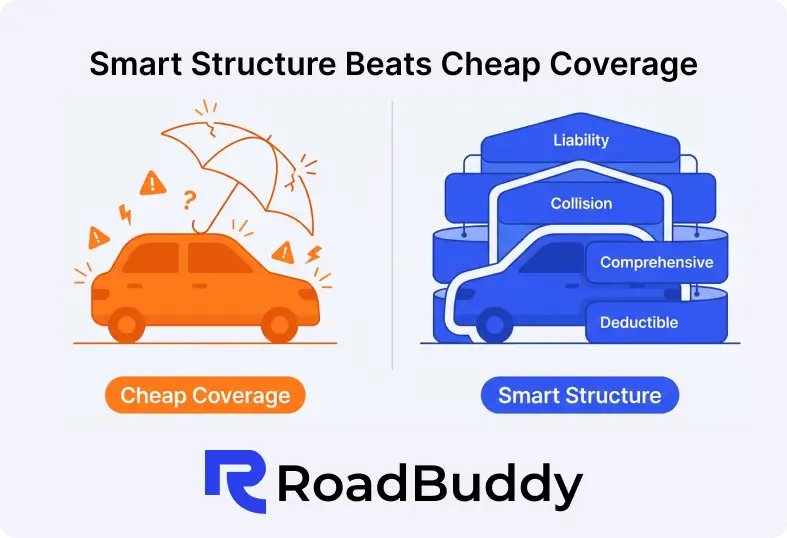
Being affordable sometimes means wondering whether you are paying for coverage you don’t really need. For example, if your vehicle is old, meaning it has been around for more than 10 years, then you might not need to pay for comprehensive and collision coverage. These are optional and are for protection against accidents, weather, and theft, but if your vehicle is old and has little resale value, then you might be paying more for coverage than you will ever receive in a claim.
Of course, that’s a personal calculation based on the worth of your vehicle and your willingness to take risk, but it’s something that’s worth calculating intentionally, not just going along with the default.
On the other hand, don’t skimp on the bare-bones coverage just to save a little money every month. Liability coverage is what pays out if you’re at fault for damaging someone else’s property or injuring someone. If you’re underinsured here, you’re taking a serious risk – you might get sued for a whole lot more than you’re saving on insurance.
The Shopping Reality
In other words, real affordability can actually be found through real comparison. Insurers vary in how much they price certain risks, how much weight they put on a driver’s record, and what combinations of discounts they offer. What may be a fantastic deal for one driver may not be the best deal for you.
This doesn’t have to involve spending a tremendous amount of time on the phone. Free online quotes from several insurance companies can take about 20 minutes or less, and broker services can help you compare several companies at once.
The point isn’t to find the lowest number possible – it’s to find a good deal that actually represents value for you, balancing coverage and price.
Affordable auto insurance isn’t a myth – it’s not about making sacrifices and risking everything. It’s about doing the not-so-fun work of becoming informed about your choices, asking about discounts, and every once in a while making a comparison to make sure you’re in the right spot. This work directly correlates to money in your wallet every month.

Looking for Auto Insuranse?
Make sure you’re not overpaying
You’ll be redirected to our partner’s website to compare personalized offers.
Advertiser Disclosure
RoadBuddy is a free resource that helps drivers compare auto insurance options.
We may receive compensation from some insurance companies and partners when you click on links or request a quote through our site. This may affect where offers appear, but it does not influence our reviews, guidance, or editorial decisions.
Our content is researched and written independently to give you clear and unbiased information.
By using RoadBuddy, you acknowledge and accept this disclosure. Learn more.