
RoadBuddy provides independent information to help drivers compare auto insurance options with confidence. We may earn a commission when you click on partner links, but this never affects our reviews or recommendations. Our content is researched and published independently.
Coverage Professor
What It Actually Does and What to Expect
Updated on 02.02.2026 | 9 min read

Advertiser Disclosure
RoadBuddy is a free resource that helps drivers compare auto insurance options.
We may receive compensation from some insurance companies and partners when you click on links or request a quote through our site. This may affect where offers appear, but it does not influence our reviews, guidance, or editorial decisions.
Our content is researched and written independently to give you clear and unbiased information.
By using RoadBuddy, you acknowledge and accept this disclosure. Learn more.
Insurance comparison platforms have grown in popularity, with Coverage Professor appearing regularly in digital advertising. If you’re considering using it, here’s what you need to know about how it works and where it fits in your insurance shopping process.

Coverage Professor: Quick Overview
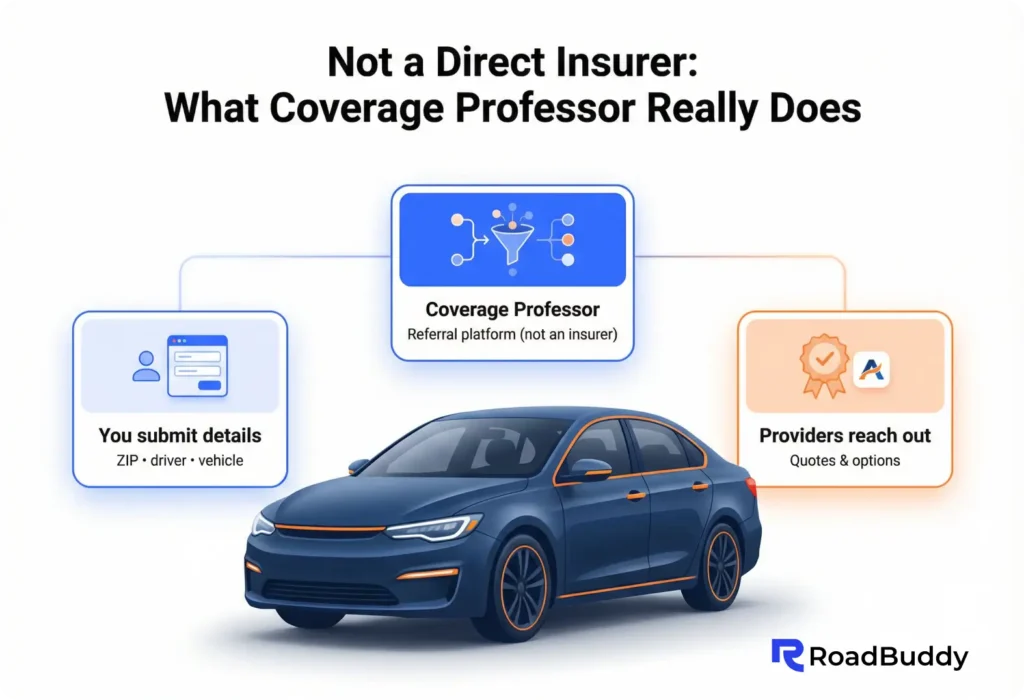
Coverage Professor collects basic details and routes users to insurance providers who can offer quotes and coverage options.
Traditional Way:

Coverage Professor Way:

What Coverage Professor Does
Coverage Professor operates as a referral marketplace that collects your information and matches you with insurance providers. Unlike direct insurers, it doesn’t generate quotes itself, instead, it connects you with carriers and agents who can provide pricing based on your details.
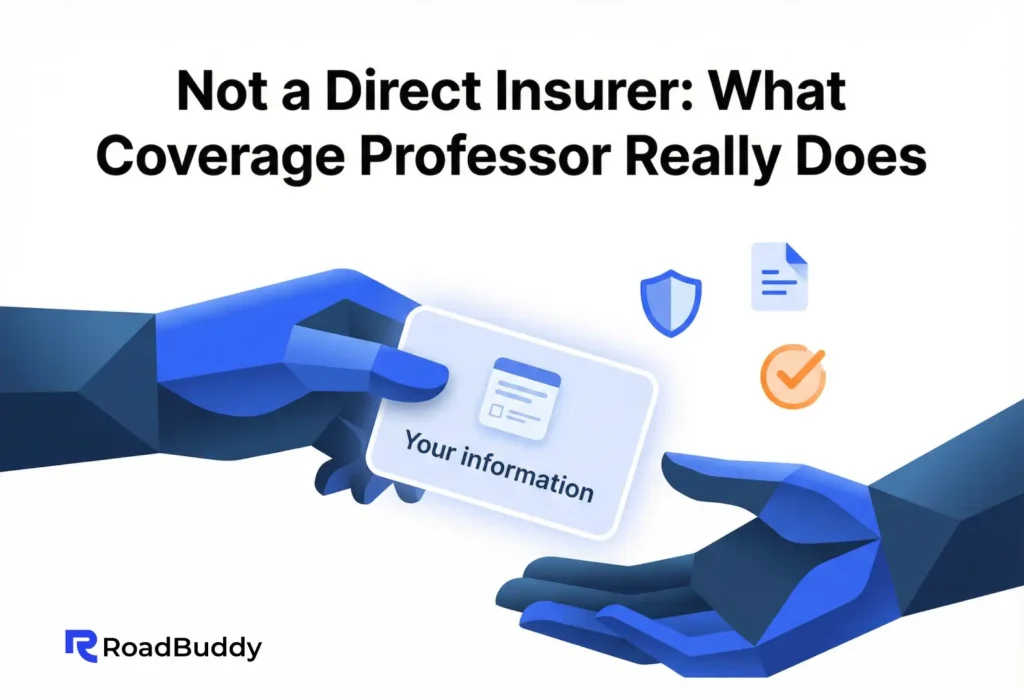
The model is quite simple: you enter your information, the site matches you with the appropriate providers, and licensed professionals from the companies get back to you with quotes and options. This is the basic model that the majority of lead aggregation sites, including those in the insurance industry, operate on.
The User Experience: Step by Step
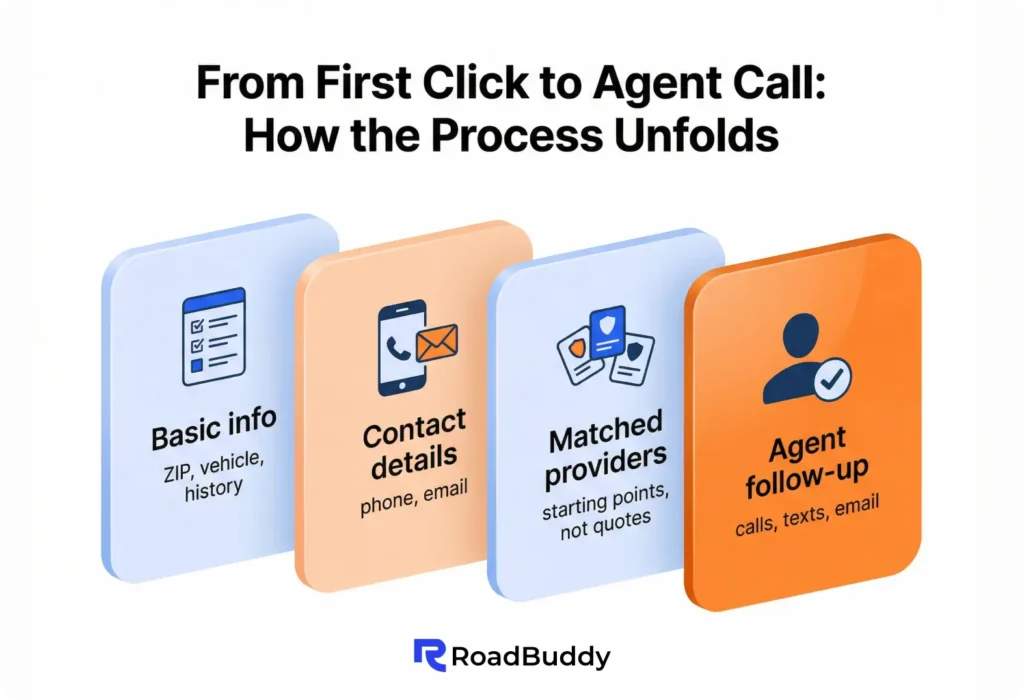
The process generally works like this:
You begin by filling out a form. This form will ask you to provide some basic information, including your ZIP code, your age, information about your vehicles, your driving history, and your current insurance status. The reason insurance companies really do need this information is that it is impossible to provide a real quote without it.
You are asked to provide contact information. This is because, although insurance companies can provide a quote based on some information, there are other factors that will determine the final cost of the insurance. The question of what deductible amount you are willing to pay, what kind of coverage you are seeking, and whether you have made any previous claims is important.
You are then matched with providers. This is where you are given a number of insurance companies that match your profile. This is not a quote, but rather a way of providing you with information that could be used to create a quote. The actual quote will be something that is worked out when you talk to the insurance provider.
Professionals reach out. This is where many users notice a difference from what they expected. They will call or text from agents or representatives of the insurer they were matched with to discuss your coverage needs and fine-tune the pricing. This is because they need clarification on the initial information provided in the form.
Why The Follow-Up Contact Matters
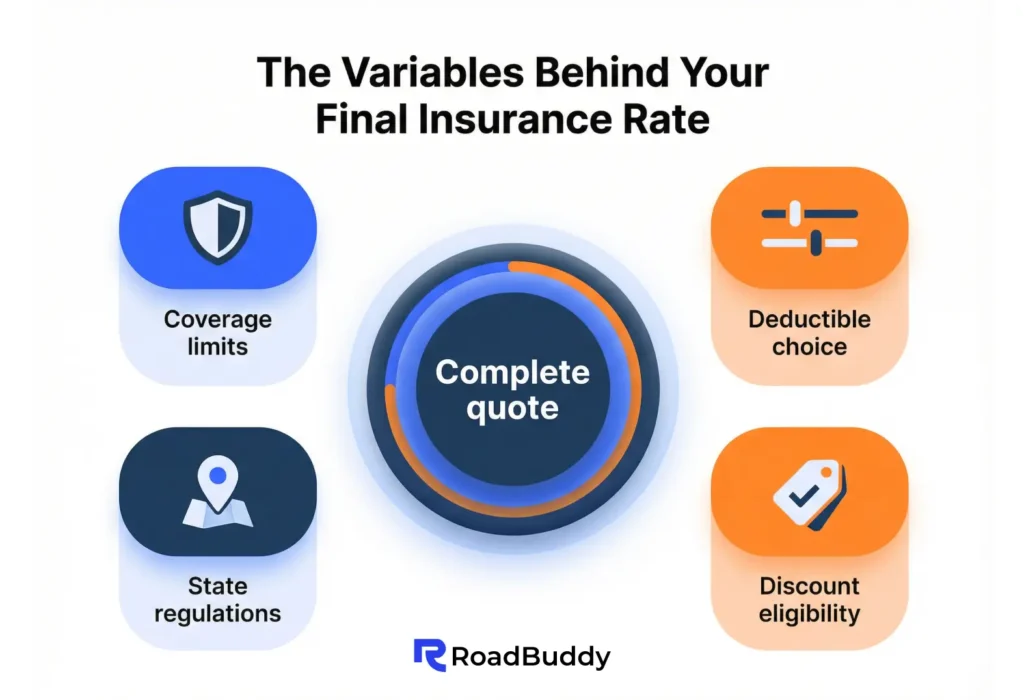
Auto insurance pricing depends on specific variables that a digital form can’t fully capture. Coverage limits, deductible choices, state-specific regulations, and discount eligibility all influence your final rate. Without follow-up, insurers would be providing incomplete estimates rather than real quotes. The extra contact also reflects competitive pressure within the industry — carriers want to ensure potential customers see their best possible rates.
What Users Actually Report
Community discussions reveal consistent patterns about platforms like this:
Positive aspects people mention:
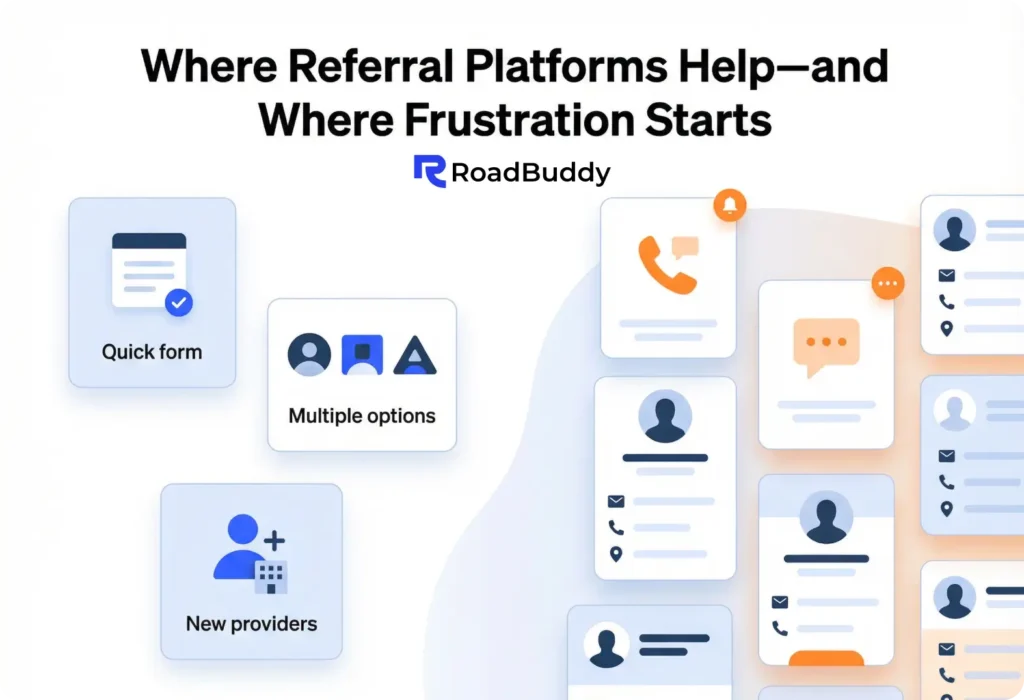
Users appreciate the speed of the initial form, the ability to see multiple options quickly, and the discovery of carriers they hadn’t previously considered. Some find it useful as a starting point for deciding whether switching policies makes financial sense.
Common frustrations:
The primary complaint isn’t about the service itself — it’s about the volume of follow-up contact. Users consistently report receiving multiple calls and texts from matched providers over the following days. A secondary frustration involves wanting more transparency about exactly which providers will receive their information before submitting details.
An essential pattern from user reports: some people have experienced aggressive calling from specific lead aggregators, receiving 5 to 10 calls per hour immediately after submission. This appears tied to specific platforms rather than Coverage Professor specifically, but it highlights why some users avoid these services entirely.
Coverage Professor’s Position: Legitimate But Specific
According to recent assessments, Coverage Professor maintains a 4-star rating on Trustpilot (based on 71 reviews, with about 79% five-star ratings). It’s not flagged as fraudulent, though it also isn’t fully transparent about its operations. The company has been active since 2021 and partners with known carriers like Liberty Mutual, USAA, and Farmers Insurance.
The key distinction: Coverage Professor is real, but it functions as a marketing channel for insurers, not as an insurance company itself. Understanding this prevents misaligned expectations.
Make Sure You’re Not Overpaying
You’ll be redirected to our partner’s site to get offers.
Advertiser Disclosure
RoadBuddy is a free resource that helps drivers compare auto insurance options.
We may receive compensation from some insurance companies and partners when you click on links or request a quote through our site. This may affect where offers appear, but it does not influence our reviews, guidance, or editorial decisions.
Our content is researched and written independently to give you clear and unbiased information.
By using RoadBuddy, you acknowledge and accept this disclosure. Learn more.

Benefits and Limitations
Advantages:
Constraints:
A More Effective Shopping Approach
Whether you use Coverage Professor or not, several methods work better than relying on a single tool:
Check major carriers directly first. Visit Geico, Progressive, State Farm, Allstate, or USAA (if eligible) on their websites. You’ll get instant quotes with minimal follow-up pressure. This takes about 15 minutes and gives you baseline pricing.
Use one comparison tool if you want. Choose either Coverage Professor or another aggregator, but stick with one. Multiple tools multiply your contact volume without providing proportionally better information.
Lock in your coverage levels before comparing. Decide on liability limits (such as 100/300/100), deductible ($500 or $1,000), and whether you want full coverage or liability-only. Standardizing these details ensures you’re comparing equivalent policies, not just different price points.
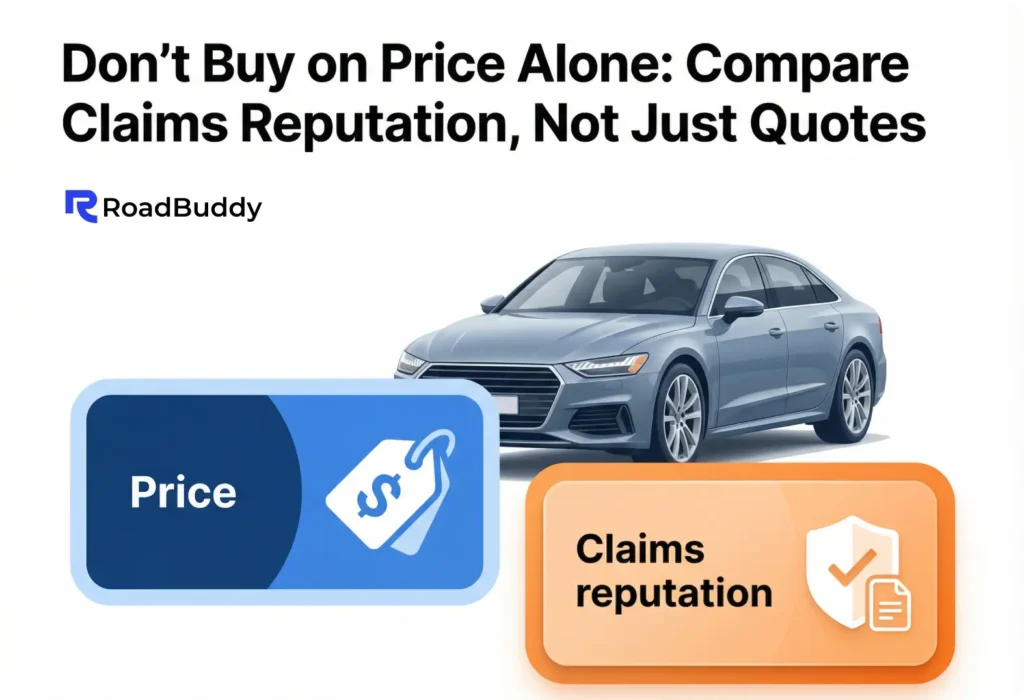
Compare reputation alongside price. The lowest quote doesn’t always represent the best choice. Research how each carrier handles claims, what customers say about service quality, and whether they have a pattern of raising rates at renewal. A moderately higher premium from a reliable carrier often beats significant savings from one with poor claims experiences.
Buy directly from your chosen carrier. Once you’ve decided, complete your purchase with the insurer itself. This eliminates intermediaries and ensures clear communication going forward.
This approach typically takes 45 minutes and produces considerably more confidence in your selection.
What Happens After You Submit Your Information
If you’ve already used Coverage Professor, expect contact from multiple matched providers. These conversations serve a practical purpose — they help refine your quote and clarify what you’re actually looking for. You’re under no obligation to purchase from any of them. Most users treat this stage as part of the quoting process rather than as an aggressive sales pitch.
You can request fewer contacts at any time, and you have the right to ask matched providers to remove you from their contact lists.
Who Benefits Most From This Approach
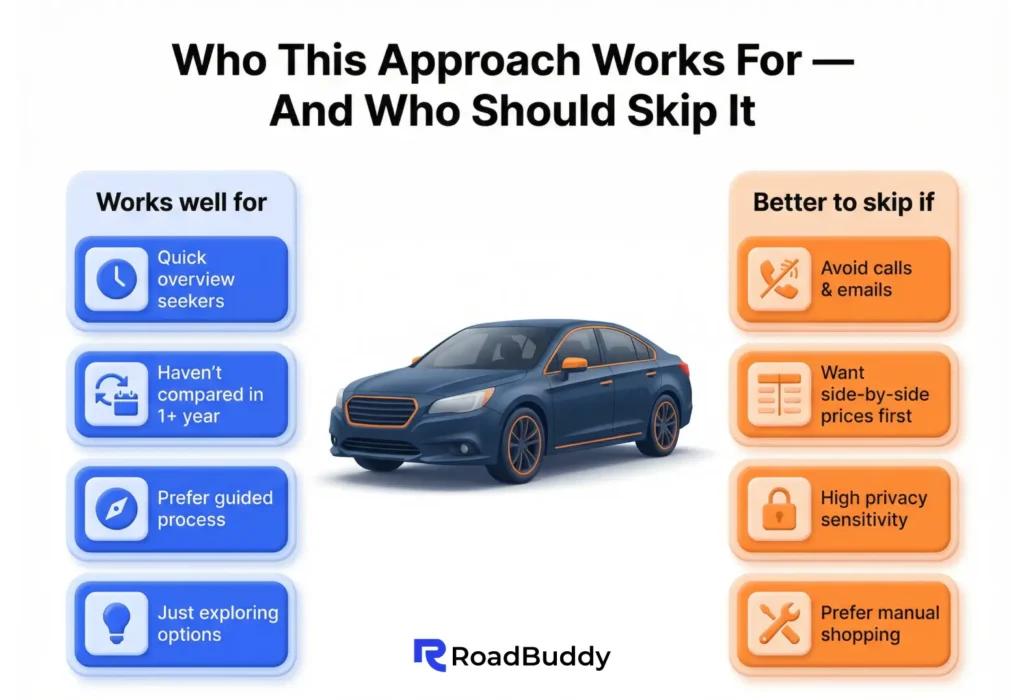
Good candidates for Coverage Professor:
- Drivers who haven’t compared rates in one or more years
- People seeking a quick overview of available options
- Anyone curious whether better pricing exists
- Consumers who find guided processes helpful
Better alternatives for:
- People who strongly prefer minimal phone or email contact
- Drivers wanting transparent, side-by-side comparisons before speaking with anyone
- Users very concerned about data privacy who want to control when outreach begins
- Those willing to spend additional time contacting carriers independently
- Both approaches work—it depends on your comfort level and how you prefer to shop.
Make Sure You’re Not Overpaying
You’ll be redirected to our partner’s site to get offers.
Advertiser Disclosure
RoadBuddy is a free resource that helps drivers compare auto insurance options.
We may receive compensation from some insurance companies and partners when you click on links or request a quote through our site. This may affect where offers appear, but it does not influence our reviews, guidance, or editorial decisions.
Our content is researched and written independently to give you clear and unbiased information.
By using RoadBuddy, you acknowledge and accept this disclosure. Learn more.
The Value of Independent Agents
Worth considering: many drivers report better experiences working with local independent insurance agents rather than comparison websites. Independent agents handle the heavy lifting of comparing rates across multiple carriers without the lead-selling model that generates phone spam. Many also mention that independent agents have genuine knowledge of which carriers handle claims efficiently — information that pure price comparisons don’t reveal.
To find an independent agent, search “independent insurance agency” in your area. Most provide free consultations and quote comparisons without any obligation to purchase.
The Bottom Line
Coverage Professor is a legitimate referral platform, not a scam. It works as intended — connecting drivers with insurance providers. The model involves follow-up contact because that’s how modern insurance quoting functions. Understanding this removes surprises from the process.
For best results, combine direct quotes from 2-3 major carriers with one aggregator or independent agent consultation. Standardize your coverage preferences so quotes are truly comparable. Evaluate both price and company reputation. Take your time before committing.
The goal is to avoid getting locked into a decision based solely on price. A carrier that costs 15% less but has a reputation for slow claims processing or deceptive renewal pricing practices can create real problems when you actually need to file a claim. Spending an extra 30 minutes researching customer experiences and company behavior typically pays off.
FAQ: Real Answers to Driver`s Questions
Coverage Professor is a referral marketplace that collects your details and matches you with insurance providers. It doesn’t issue quotes itself—licensed agents or carriers contact you with pricing and coverage options.
Coverage Professor appears to be a legitimate lead-generation platform, not an insurance company. It functions as a marketing channel that connects shoppers with insurers and agents, which is why follow-up contact is expected.
Coverage Professor gathers your information and routes it to carriers or agents who generate quotes based on your profile and follow up to confirm coverage limits, deductibles, and other details.
Because insurers need more information than a short form can capture to price a policy accurately. Providers contact you to verify details, discuss coverage choices, and apply eligible discounts.
Yes. Users typically don’t pay a fee to submit information or get matched; the platform is generally compensated by partners when referrals turn into sales.
Start by getting quotes directly from 2–3 major insurers, then use only one comparison tool (or an independent agent) to avoid multiplying outreach. Standardize your coverage limits and deductible first so you can compare quotes fairly.

Looking for Auto Insuranse?
Make sure you’re not overpaying
You’ll be redirected to our partner’s website to compare personalized offers.
Advertiser Disclosure
RoadBuddy is a free resource that helps drivers compare auto insurance options.
We may receive compensation from some insurance companies and partners when you click on links or request a quote through our site. This may affect where offers appear, but it does not influence our reviews, guidance, or editorial decisions.
Our content is researched and written independently to give you clear and unbiased information.
By using RoadBuddy, you acknowledge and accept this disclosure. Learn more.