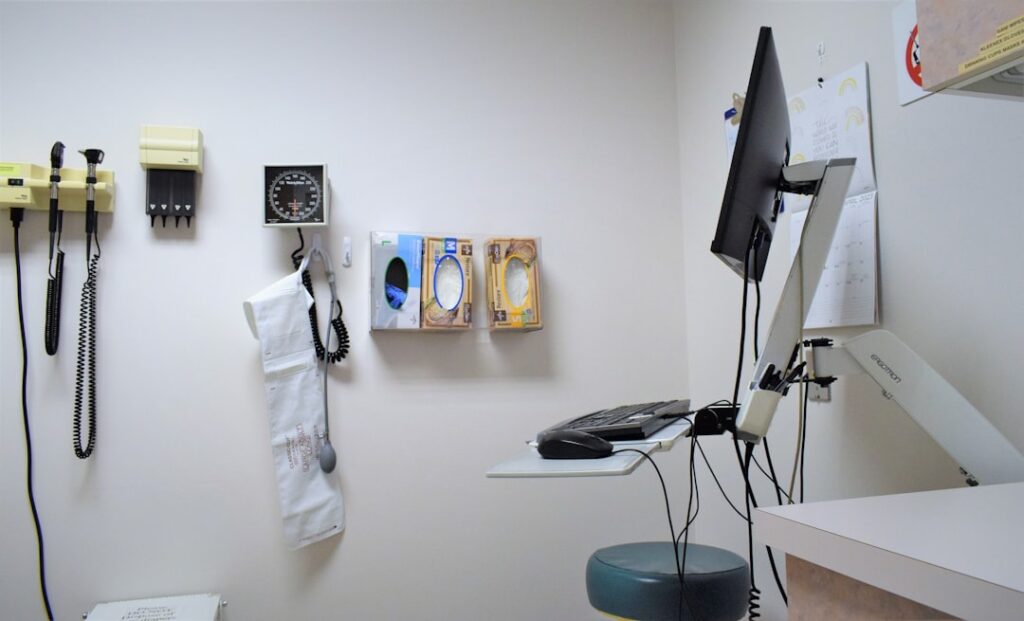


Stock photo for illustration purposes only.
When you’re rushed to the emergency room after a car accident, the last thing on your mind is whether your doctor is worried about getting sued. But new research from the American Medical Association reveals that rising medical liability insurance costs are creating a healthcare crisis that directly affects the care drivers receive when they need it most.
The Hidden Cost of Defensive Medicine
Physicians now face their seventh consecutive year of rising liability insurance premiums, marking the longest upward trend since the early 2000s. This isn’t just a doctor problem—it’s a driver problem too. Emergency room physicians treating accident victims often practice “defensive medicine,” ordering extra tests and procedures primarily to protect themselves from potential lawsuits.
The numbers tell a stark story. Most physicians will face at least one malpractice claim during their careers, even when no medical error occurred. The majority of these claims get dropped or dismissed, but the financial and emotional toll remains. For drivers, this translates to longer wait times in emergency rooms and higher healthcare costs that eventually impact everyone’s insurance premiums.
Make Sure You’re Not Overpaying
Advertiser Disclosure
RoadBuddy is a free resource that helps drivers compare auto insurance options.
We may receive compensation from some insurance companies and partners when you click on links or request a quote through our site. This may affect where offers appear, but it does not influence our reviews, guidance, or editorial decisions.
Our content is researched and written independently to give you clear and unbiased information.
By using RoadBuddy, you acknowledge and accept this disclosure. Learn more.

What This Means for Accident Victims
Here’s the reality: when healthcare costs spiral upward due to defensive medicine practices, your auto insurance company pays more for medical coverage. Those costs get passed down to drivers through higher premium rates across the board. It’s a hidden tax that shows up in your insurance bill months later.
Emergency physicians treating trauma patients face some of the highest malpractice risks in medicine. They’re making split-second decisions about accident victims who arrive unconscious or in critical condition. The fear of litigation can lead to over-testing and extended hospital stays that might not be medically necessary but provide legal protection for the treating physician.
The Ripple Effect on Auto Insurance
Medical payments coverage—that line item on your auto insurance policy—has become more expensive partly because of this malpractice crisis. When doctors order additional CT scans, MRIs, or keep patients for observation longer than necessary, your insurance company foots the bill. Progressive and other major insurers have noted rising medical costs as a key factor in premium increases over the past several years.
Some specialists are even leaving high-risk practice areas entirely. Fewer trauma surgeons means longer transport times to facilities with appropriate care, potentially affecting outcomes for seriously injured drivers.
What Drivers Should Do Now
Review your medical payments coverage and personal injury protection limits. With healthcare costs rising, your current coverage might not stretch as far as it once did. Consider increasing these limits during your next renewal period. Document any accident thoroughly with photos and witness statements—this helps your insurance company process claims more efficiently. Choose hospitals and urgent care centers within your insurance network when possible to minimize out-of-pocket costs. Keep a current list of your medications and medical conditions in your vehicle’s glove compartment for emergency responders. Research which hospitals in your area have trauma centers, as these facilities often provide more comprehensive accident care despite potentially higher costs.
The malpractice insurance crisis won’t resolve overnight, but understanding how it affects your coverage helps you make smarter decisions about your own protection on the road.