

Stock photo for illustration purposes only.
Electric truck owners face a new safety concern as federal regulators investigate sudden steering failures that have caused Rivian vehicles to veer across highway lanes without warning. The Rivian safety probe affects over 114,000 electric R1S and R1T models nationwide, marking another challenge for the EV startup’s reputation among safety-conscious drivers.
When Steering Systems Fail at Highway Speeds
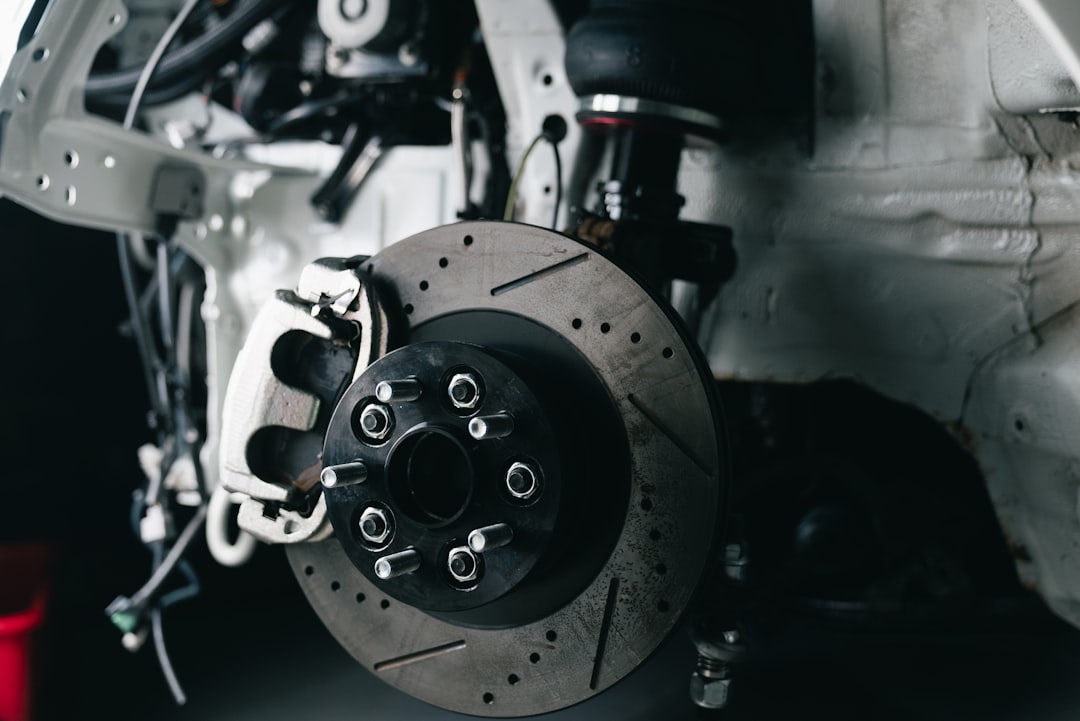
Imagine driving down the interstate when your truck suddenly lurches into adjacent lanes beyond your control. That’s exactly what happened to Rivian owners who reported catastrophic failures of a critical steering component called the rear toe link. Federal safety investigators received multiple reports describing vehicles that abruptly swerved across traffic lanes, with one incident resulting in a crash involving another vehicle and roadside barriers.
The timing couldn’t be worse for electric vehicle adoption. Consumer confidence in EV safety remains fragile, with 43% of potential buyers citing safety concerns as their primary hesitation about switching from gas vehicles, according to recent automotive research. These mechanical failures at highway speeds represent every driver’s nightmare scenario.
Make Sure You’re Not Overpaying
Advertiser Disclosure
RoadBuddy is a free resource that helps drivers compare auto insurance options.
We may receive compensation from some insurance companies and partners when you click on links or request a quote through our site. This may affect where offers appear, but it does not influence our reviews, guidance, or editorial decisions.
Our content is researched and written independently to give you clear and unbiased information.
By using RoadBuddy, you acknowledge and accept this disclosure. Learn more.

What This Means for Current Rivian Owners
If you own a Rivian R1S or R1T, you’re not powerless while regulators investigate. Pay attention to any unusual steering behavior, especially pulling or wandering that feels different from normal road feel. The rear toe link connects your wheel assembly to the vehicle frame, so failures often announce themselves through steering wheel vibration or unexpected direction changes.
Rivian maintains their components work as designed, claiming internal data shows proper operation of the toe link joints. However, the company already recalled nearly 20,000 vehicles earlier this year for incorrectly assembled rear toe links, suggesting quality control issues during manufacturing or service procedures.
A Pattern of Electric Vehicle Growing Pains
This investigation highlights broader challenges facing newer EV manufacturers as they scale production rapidly. Unlike established automakers with decades of manufacturing experience, electric vehicle startups often encounter unexpected quality issues that traditional companies resolved years ago through trial and error.
The probe will examine whether Rivian’s toe link design can withstand normal driving conditions and evaluate their repair procedures. That’s regulatory speak for determining if the company cut corners during development or service training.
What Drivers Should Do Now
Contact Rivian immediately if you experience any unusual steering behavior in your R1S or R1T. Document the incident with photos, video, and detailed notes about driving conditions when problems occurred.
Review your liability insurance coverage limits, especially if you drive in heavy traffic areas. Mechanical failures that cause multi-vehicle accidents can result in significant claim expenses that exceed basic coverage minimums.
Monitor NHTSA’s investigation progress through their website, where they publish updates on active safety probes. The agency will determine whether a full recall becomes necessary based on their findings.
Consider alternative transportation for long highway trips until the investigation concludes. While the failure rate appears low, the consequences of losing steering control at speed are too severe to ignore.
This investigation serves as a reminder that early adoption of new vehicle technology carries inherent risks, even from reputable manufacturers working to revolutionize transportation.