
New Jersey is an expensive state for auto insurance, and the gap between “minimum coverage” and “full coverage” is usually huge. A typical driver can see full coverage pricing land around the high-$200s per month, while a bare-minimum policy can sit closer to the low-$100s. The exact number depends on where you live, your driving record, your credit profile (where used), and what you drive, but the pattern is consistent: NJ pricing swings hard by profile and ZIP code.
This guide focuses on how to find the cheapest car insurance companies in New Jersey without accidentally buying a policy that collapses the moment you actually need it.
What “cheapest” means in New Jersey
In NJ, “cheap” can mean two very different products.
Minimum coverage is the legal baseline. It keeps you compliant, but it can leave you exposed in a serious crash. Full coverage usually means you have liability plus collision and comprehensive, so your own vehicle is covered for things like crashes, theft, vandalism, and weather losses (subject to deductibles and policy terms). For most drivers with newer cars, financing, or anything they can’t easily replace out of pocket, full coverage is the practical default.
The mistake people make is comparing a cheap minimum policy to a full coverage quote and thinking one company is “way cheaper.” It’s not cheaper. It’s less coverage.
Best cheap car insurance companies of February 2026
Cheapest companies: why one insurer can be “best” for full coverage and minimum coverage
In New Jersey, the carrier that prices best for full coverage is often also competitive for minimum coverage, but not always. Insurers have different appetites. Some price aggressively for clean-record drivers who want full coverage. Others are designed to win minimum coverage shoppers. This is why you can’t rely on reputation or ads. You have to quote it.
If you’re trying to keep this simple, quote three buckets:
- a large national carrier,
- a carrier known for strong pricing in the Northeast,
- a regional carrier you don’t see advertised much.
That approach catches most of the pricing spread without turning your life into a quote factory.
If you have a ticket, accident, or DUI: how the “cheapest” list changes
New Jersey pricing penalizes incidents sharply, and each insurer treats incidents differently.
A single speeding ticket can bump you into a different rating tier at one carrier and barely move the needle at another. An at-fault accident tends to be worse because it signals both frequency and severity risk. A DUI is usually the most disruptive incident because it can trigger underwriting restrictions, SR-22 style requirements in some states (and nonstandard placement), and long-lasting surcharges.
So if you have any recent incidents, don’t shop like a clean driver. You’re looking for the carrier with the best fit for your “post-incident” profile, and those carriers are often not the ones your friends with clean records recommend.
Make Sure You’re Not Overpaying
Advertiser Disclosure
RoadBuddy is a free resource that helps drivers compare auto insurance options.
We may receive compensation from some insurance companies and partners when you click on links or request a quote through our site. This may affect where offers appear, but it does not influence our reviews, guidance, or editorial decisions.
Our content is researched and written independently to give you clear and unbiased information.
By using RoadBuddy, you acknowledge and accept this disclosure. Learn more.

Young drivers in New Jersey: what actually works
Teens and drivers under 25 are expensive in every state, but NJ is especially painful because the baseline cost is already high. The cheapest path is usually staying on a family policy. Standalone policies for teen drivers can be brutal unless there’s a very specific reason to separate coverage.
If your goal is cost control, the biggest drivers are the car choice and the structure of the policy. A high-value vehicle with expensive parts pushes collision and comprehensive higher. A sensible deductible strategy can help, but only if the family can actually pay that deductible after a claim. Discounts matter too, but they’re secondary compared to the core rating problem: new drivers crash more often.
Why your New Jersey ZIP code matters more than you think
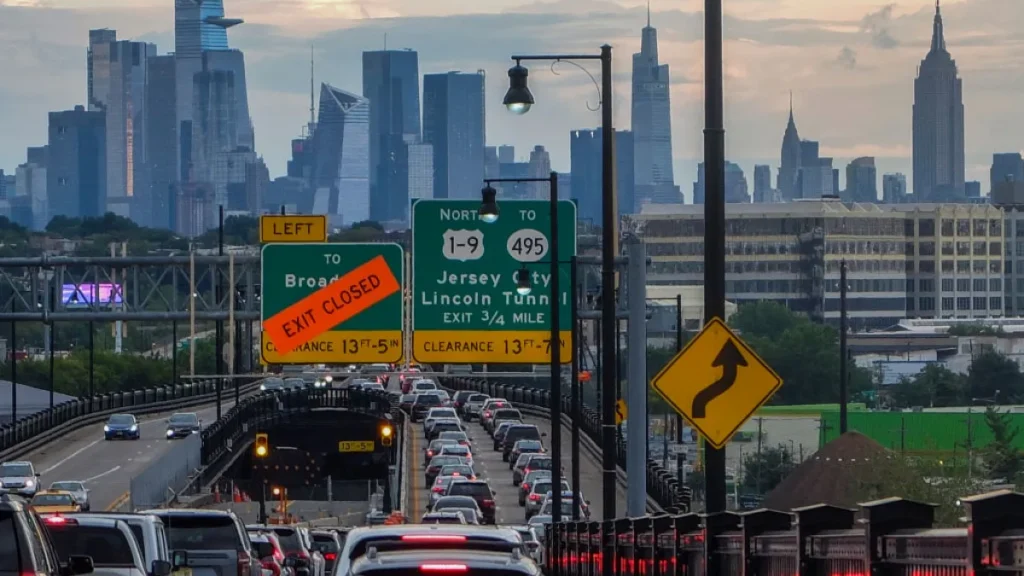
In NJ, two drivers with the same record can pay very different premiums simply because they live in different towns or even different neighborhoods. Pricing follows claim frequency and claim cost. More traffic density tends to mean more crashes. Higher theft rates tend to mean higher comprehensive losses. Areas with higher medical and legal costs tend to push bodily injury severity up, which affects liability pricing.
If you moved recently, or if your garaging address is outdated on the policy, update it. Incorrect information can create claim issues later, and it can also make your rate inaccurate.
Discounts that are actually worth checking in New Jersey
Discounts vary by carrier, but the ones that most often produce real savings in NJ are tied to behavior and billing, not gimmicks.
Telematics discounts can be meaningful for drivers who score well. They can also backfire depending on the program rules, so you want to know whether the program is discount-only or whether it can affect renewal pricing.
Bundling renters or homeowners with auto can help, but only if both sides of the bundle are competitive. Some carriers give a large bundle discount while pricing one policy high, so you need to quote bundled and unbundled to see the truth.
Good student discounts and driver training discounts can matter for households with teens. These typically require proof. If nobody submits documentation, the discount doesn’t exist.
Paid-in-full and paperless billing discounts are boring, but they’re real. If you can afford to pay a term upfront, it’s often one of the easiest ways to reduce the premium.
New Jersey minimum coverage limits: what you’re really buying
NJ’s minimum requirements exist to satisfy the law, not to protect your finances in a serious crash. Minimum liability limits can get eaten quickly once injuries are involved, especially in a multi-vehicle accident. If you don’t have meaningful savings, higher liability limits are usually the smarter trade, even if it costs more.
A practical way to think about it: collision and comprehensive protect your car. Liability protects your future income and assets. People often try to save money by keeping liability low, and that’s the one place where “cheap” can become a financial disaster.
How to get the cheapest rate without sabotaging coverage
Start by locking your target coverage. Pick liability limits and deductibles that make sense for your situation and keep those consistent across quotes. Then compare at least three insurers. After that, do a policy audit: mileage, garaging address, drivers listed, and vehicle usage should all be accurate. Finally, ask each insurer to run discounts with proof if needed.