

Car ownership is structurally more expensive. Fuel prices go up and down; maintenance costs continue to rise; and insurance costs now reflect a risk environment that is very different from even a few years ago. Before you even drive out of the driveway, coverage is required and is now very costly. Recent pricing surveys indicate that the average monthly auto insurance premium is around $100 for a liability-only policy and over $170 for a full coverage policy, according to recent data collected by Insurify. Your location, vehicle, driving frequency, and the risk profile that an insurer assigns to you will all impact this figure. The good news is that auto insurance premiums are not set in stone. Understanding the pricing of auto insurance risk allows drivers to make adjustments that can lower their costs significantly.
How to Reduce Your Auto Insurance Premium
Insurance pricing is data-driven, but policyholders are not powerless. These strategies remain effective in 2026, even in a higher-cost market.
1. Complete a Defensive Driving Course
Many insurers also offer incentives for those who take proactive steps to reduce risk. Defensive driving courses, while different from those used to obtain a driver’s license, emphasize hazard perception and avoidance techniques. Taking a course can help mature drivers or those with past accidents qualify for premium discounts.
2. Bundle Policies Strategically
Bundling auto coverage with another policy, such as home, renters, etc., can also help lower your premium payments. While not all insurers offer this discount, they tend to price bundled accounts more favorably because they retain more customers and incur lower administrative costs.

Common Auto Insurance Myths
3. Adjust Your Deductible With Intention
One of the most direct ways to cut back on the premium is to increase deductibles. Increasing deductibles from a low level to a higher one can save between 15% and 30%. The drawback is that out-of-pocket exposure will be higher after a claim, and this approach is best suited for those who have emergency savings set aside.
4. Consider Pay-Per-Mile Coverage
Pay-per-mile insurance is an alternative for low-mileage drivers, and it has the potential to realign the cost of insurance with actual use. It is best suited for remote workers, retirees, and those who use alternative transportation in urban areas. It is not available in all states and from every insurance company, but the savings for low-mileage drivers can be substantial.
5. Shop Rates Regularly
Auto insurance loyalty is no longer rewarded with lower premiums. Pricing structures vary significantly from one insurance provider to another, and renewal premiums tend to rise faster than those offered to new customers. Quote comparison is now a logical financial strategy, rather than an anomaly.
Make Sure You’re Not Overpaying
Advertiser Disclosure
RoadBuddy is a free resource that helps drivers compare auto insurance options.
We may receive compensation from some insurance companies and partners when you click on links or request a quote through our site. This may affect where offers appear, but it does not influence our reviews, guidance, or editorial decisions.
Our content is researched and written independently to give you clear and unbiased information.
By using RoadBuddy, you acknowledge and accept this disclosure. Learn more.

6. Protect Your Driving Record
Maintaining a good driving record is one of the most potent indicators of lower auto insurance premiums. Accidents and traffic violations are expensive, and a good driving record can save you from financial consequences. Many insurance providers offer discounts if you have a claim-free or violation-free driving record.
7. Prioritize Safety and Theft Deterrence
Vehicles with modern safety technology can help reduce premium costs by offering discounts. Anti-locking brakes, airbags, and collision avoidance systems help reduce the severity and incidence of losses. In addition, security devices can help reduce losses.
8. Use Multi-Vehicle Policies When Appropriate
Households with multiple vehicles can take advantage of multi-car policies. While the structure of these policies can vary depending on the vehicle, insurers tend to offer lower premium rates for bundled vehicles compared to single policies.
9. Audit Discount Eligibility
However, many of these discounts are not automatically applied. These can include automatic payment discounts, paperless billing incentives, low mileage status, student away programs, homeowner affiliations, or paid-in-full reductions. Asking explicitly about these can help uncover overlooked savings.

10. Evaluate Electric Vehicle Pricing Carefully
Some insurance companies offer incentives for having an electric or hybrid vehicle, but this is not the case for all. The higher repair costs for these vehicles can outweigh the savings in other areas. It is important to compare rates before purchasing an EV to avoid unintended increases in insurance costs.
11. Review Your Policy With an Agent
Even in a digital-first market, experienced agents can identify inefficiencies, misaligned coverage limits, or outdated assumptions embedded in long-standing policies. Periodic reviews often uncover savings that comparison tools miss.
Why Auto Insurance Costs Are High to Begin With
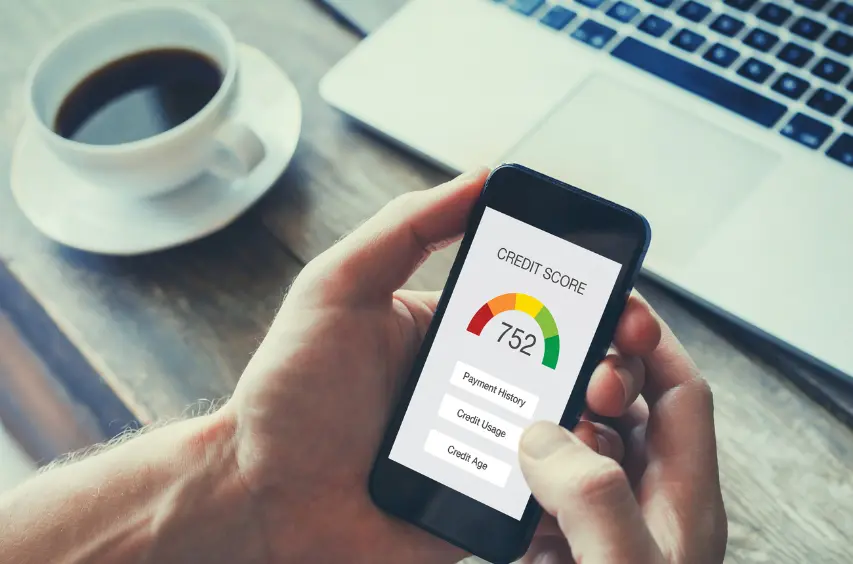
Premiums are based on risk, not fairness. Premiums are based on statistical probability of loss, not intent. The key factors that affect insurance premiums include insurer-specific factors, age and experience of drivers, geographic factors, structure of coverage, history of claims, cost of vehicle repairs, and insurance-based credit scoring, if allowed. Some of these factors change over time, even if your personal circumstances have not.
Finding Affordable Coverage in a Higher-Cost Market
The most effective strategy for controlling insurance costs in 2026 is management. Comparing quotes, coverage, and assumptions on an annual basis is no longer an optimization strategy, but rather a standard practice. Insurance costs may no longer fall back to pre-pandemic levels, but that does not mean that policyholders cannot exert their power. The difference between overpaying and optimizing may come down to engagement, rather than luck.