
Auto insurance prices fluctuate more depending on geography than any other expense. While some states continue to grapple with increasing auto insurance prices caused by litigation, weather-related damages, and heavy traffic, others remain relatively immune from such factors.
Based on recent pricing analyses of full coverage insurance for low-risk drivers, the following states continue to have the lowest average auto insurance prices heading into 2026. These states have one or more factors that make them relatively immune from fluctuations.
Hawaii
Hawaii is an outlier on the affordable side when it comes to auto insurance. Even with high living costs in other areas, Hawaii is on the affordable side for auto insurance. This is because driving distances are shorter, driving speeds on highways are slower, and catastrophic weather events that impact vehicles are less frequent.
Maine
Maine tends to have the lowest prices on the scale. This is because there is low congestion, few accidents, and low claim severity. The average annual cost tends to be one of the lowest in the country, and there is enough competition so that well-qualified drivers can find coverage for significantly lower than the average.
Make Sure You’re Not Overpaying
Advertiser Disclosure
RoadBuddy is a free resource that helps drivers compare auto insurance options.
We may receive compensation from some insurance companies and partners when you click on links or request a quote through our site. This may affect where offers appear, but it does not influence our reviews, guidance, or editorial decisions.
Our content is researched and written independently to give you clear and unbiased information.
By using RoadBuddy, you acknowledge and accept this disclosure. Learn more.

Ohio
Ohio’s affordability is a result of a balance of risks rather than low costs in any of those areas. The frequency of accidents, cost of repairs, and litigation are all close to or below the national averages, keeping prices stable. In addition, there are many insurers in Ohio, keeping prices competitive.
Wyoming
The low population density and lack of urbanization are significant contributors to Wyoming’s low costs. While repair costs are higher in sparsely populated areas, claim frequency is low enough to balance this risk. Insurers in Wyoming offer particularly low premiums for drivers with clean driving records.

More Drivers Are Shopping for Car Insurance as Premium Pressure Intensifies
Idaho
Idaho enjoys a balance of moderate growth and a contained loss experience. Although the urban areas experience a steady increase in rates, the statewide averages are low. Drivers who have continuous coverage and a clean record usually enjoy rates that are well below the national midpoint.
Wisconsin
Wisconsin concludes the list with a balance of steady underwriting and predictable claim behavior. Although the urban areas experience higher rates, the statewide averages are competitive. Drivers who do not make frequent claims and have continuous coverage usually enjoy favorable rates.
New Hampshire
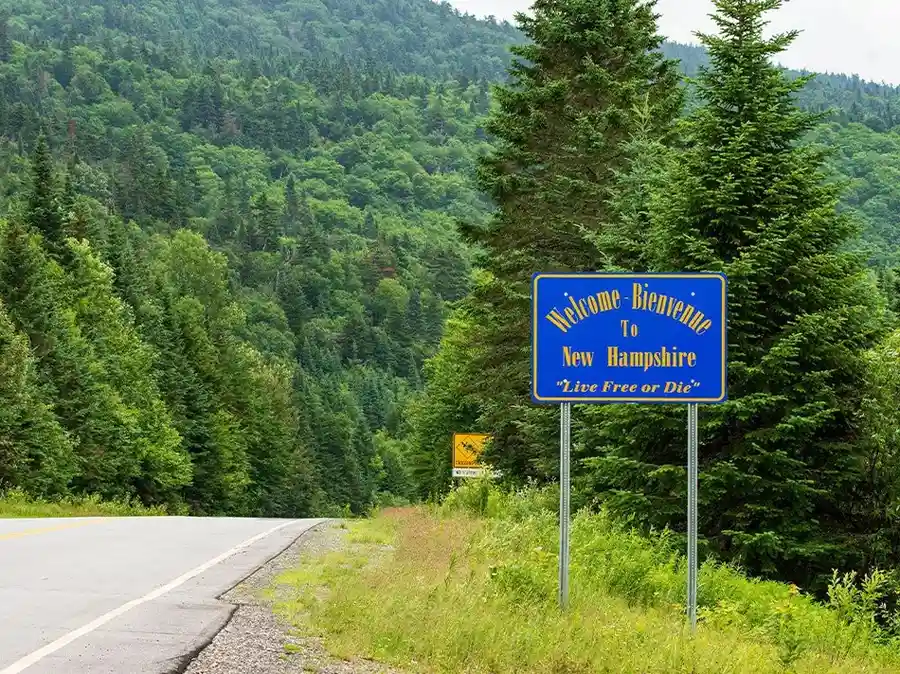
New Hampshire’s insurance costs continue to be controlled to a certain extent due to lower traffic density and predictable loss patterns. Although the harsh weather increases the probability of accidents, the severity of claims remains under control, and this has helped insurance companies avoid increasing prices.
Indiana
Indiana continues to enjoy a stable claim cost and a stable underwriting environment. Although prices have increased since the early 2020s, they have increased at a slower rate compared to neighboring states.

Vermont
Vermont offers low traffic density along with low exposure to large-scale weather-related losses. The frequency of losses is low, making it a conservative pricing situation. Hence, the state offers low premium rates, which are far lower than the national averages for drivers with a clean driving record.
Alaska
The location of Alaska is not what you would expect, but the low traffic density and low frequency of accidents balance out the higher logistics costs. The pricing is conservative, but the overall loss situation is low compared to national averages.
Why These States Stay Affordable
What these lower-cost markets have in common isn’t the cost of cars, nor the number of regulations. Rather, it is the predictability of risk. Insurers price most aggressively where the loss is most easily modeled and least volatile. Low congestion, few large verdicts, stable repair networks, and low fraud exposure all factor in far more than any specific policy provision. As auto insurance pricing becomes more granular in 2026, location continues to outweigh nearly every other factor. For drivers in these states, that geographic advantage remains one of the strongest tools for keeping insurance costs in check. However, there is absolutely no need to pack your bags and move to those states, as there are many other ways of saving on car insurance wherever you are.
- Nerdwallet: Cheap Car Insurance for January 2026
- Marketwatch: Cheapest Car Insurance 2026