
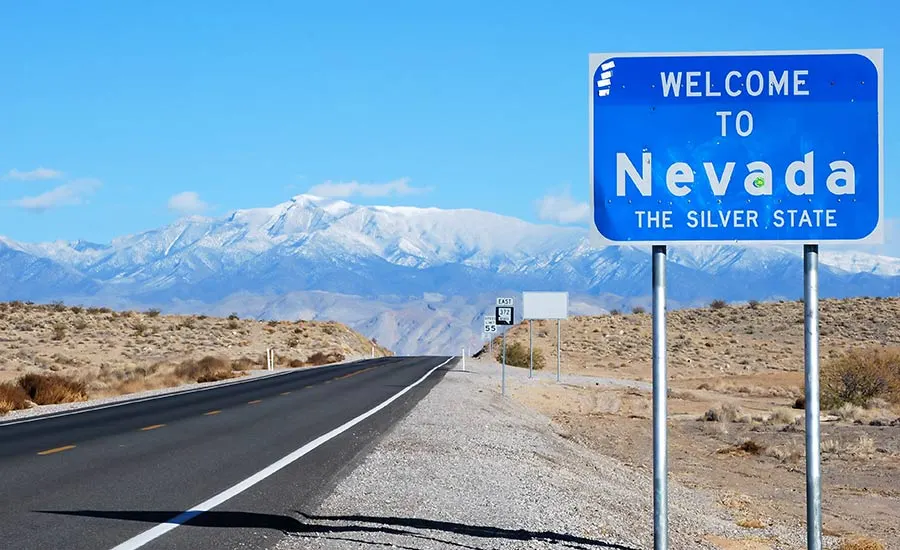
Nevada drivers finished 2025 paying far more than the national average for full coverage auto insurance, and the early 2026 rate filings show the state isn’t getting the “relief year” some other places are seeing. Insurify’s 2026 outlook put Nevada’s average annual full coverage premium at about $2,897, compared with a national average of about $2,144, which works out to roughly a 35% gap.
That gap stings for a simple reason: 2025 brought a national dip after years of increases, but Nevada basically stayed flat. Insurify’s report describes Nevada as holding steady year over year (about +$7), and it projects a small additional increase in 2026.
What Nevada drivers are paying, and why the “average” still matters
Even if you don’t love statewide averages, they’re useful as a baseline. They tell you whether you’re fighting a “you problem” (tickets, accidents, lapses, credit tier, vehicle choice) or a “market problem” (claims are simply expensive where you live). Nevada is clearly dealing with a market problem on top of everything else.
If you’re renewing and your bill feels unreasonable, it may not be because you suddenly became a worse driver. It may be because the state is priced as a high-cost market, and carriers are still filing increases to keep pace with local loss costs.
The 2026 rate filings hitting Nevada households
One reason Nevada’s story feels relentless is that a lot of policies are being touched by filings across the year. Local reporting cites the Nevada Division of Insurance saying hundreds of thousands of Nevadans will see increases as carriers’ approved changes roll through renewals.
The headline filings people noticed first were the big brands:
State Farm implemented an auto rate increase of 2.7% starting Jan. 2, affecting about 424,000 Nevadans. Allstate has an approved 3.5% increase effective April 6 affecting 17,504.
GEICO’s changes are split by underwriting company, which is why you’ll see multiple percentages in the same “GEICO raised rates” headline. In the same Nevada coverage, GEICO units were reported with increases including 6.4% and 10.6% (effective March 26), plus a smaller 1% increase for another unit.
What gets missed is that the “other carriers” add up too. Nevada filings reported in early 2026 also included increases for companies like Viking, Nationwide General, Cincinnati Casualty, and others, each affecting smaller slices of the market but still contributing to the broader feeling that “everyone is raising.”
Why Nevada stays expensive compared with nearby states
Insurers don’t price by vibes. They price by frequency and severity: how often claims happen and how expensive they are when they do. The explanations cited for Nevada’s high ranking are consistent with what normally drives high premiums.
Nevada is highly urbanized, which increases congestion exposure and crash opportunity. The same reporting also points to theft and DUI-related risk signals as factors that put upward pressure on premiums.
There’s also a regional comparison angle that makes Nevada drivers especially irritated. The same Nevada coverage noted that Nevada’s full coverage averages outpace several neighboring western states by hundreds to over a thousand dollars depending on the comparison, which is why drivers feel like they’re paying a “Nevada tax” rather than a “driver behavior tax.”
Make Sure You’re Not Overpaying
Advertiser Disclosure
RoadBuddy is a free resource that helps drivers compare auto insurance options.
We may receive compensation from some insurance companies and partners when you click on links or request a quote through our site. This may affect where offers appear, but it does not influence our reviews, guidance, or editorial decisions.
Our content is researched and written independently to give you clear and unbiased information.
By using RoadBuddy, you acknowledge and accept this disclosure. Learn more.

Why Nevada didn’t “cool” the way many states did
Nationally, Insurify said full coverage premiums fell about 6% in 2025 after a steep climb from 2022 to 2024, and it projected a modest rise in 2026.
Nevada didn’t participate in that 2025 drop in any meaningful way. That usually happens when a state’s loss experience stays stubborn. Even if the national average improves, local conditions can keep a state pinned: repair severity, theft losses, medical costs, legal costs, or claim frequency can hold the line.
So when people say, “Rates are falling,” Nevada drivers are hearing, “Rates are falling somewhere else.”
What the Nevada Division of Insurance actually does with rate hikes
Nevada isn’t a free-for-all. Insurers have to file for rate changes and get approval. The Division of Insurance’s role is to review filings and ensure rates aren’t excessive or unfairly discriminatory, while also making sure insurers remain financially solvent enough to pay claims.
In practice, that means the approved rate can be lower than what a company initially asked for. It doesn’t eliminate increases, but it can moderate them and it forces carriers to justify their assumptions.
A separate detail drivers may confuse with rate relief: dividends
Nevada drivers may also see news about dividends and assume it’s the same thing as a rate cut. It’s not. Dividends are a return of surplus based on the insurer’s financial results and governance decisions; they don’t automatically mean your premium is dropping at renewal.
For example, Nevada’s DOI issued a release about State Farm paying an average dividend per insured vehicle to eligible Nevada auto policyholders. That’s real money back, but it’s separate from the underlying rate level and separate from whether your renewal goes up or down.
What Nevada drivers can do that actually changes the outcome
This is the part people hate hearing, but it’s still the lever that works: shop the market and tighten the policy.
Start by comparing quotes with the same limits and deductibles. If you don’t match coverage, the “cheapest” option is often cheaper because it quietly cut protection. Next, confirm your mileage and garaging are accurate. A lot of drivers are still rated for old driving patterns and don’t realize it. Then look at deductibles with a cold eye. Higher deductibles reduce premium, but only help if you can pay that number without turning a claim into a financial crisis.
Finally, treat discounts as paperwork, not magic. Good student, multi-policy, paid-in-full, paperless, defensive driving, and telematics (if you’re comfortable with the rules) can all matter, but only if the carrier actually applies them correctly.
What to watch through the rest of 2026
If Nevada’s market truly starts to cool, you’ll usually see it in two places first: fewer carriers filing increases, and more carriers competing for growth by cutting rates in specific segments (clean drivers, certain vehicles, certain territories). Until then, the safer assumption is that Nevada remains a high-cost state and that shopping regularly is the best defense against getting stuck on an overpriced renewal track.