


Some Michigan families are discovering a costly and unexpected issue only after they do what insurance is supposed to be there for: file a routine claim following an accident. In a growing number of cases, coverage has been denied not because of how the crash happened, but because certain household members were never listed on the policy. In several situations, those omitted individuals were young children or even infants who were not old enough to drive and were never expected to operate the vehicle.
What has made these denials especially jarring is that many policyholders say they had no reason to believe listing non-driving household members was required. For years, drivers have been conditioned to think of auto insurance as a product tied primarily to licensed operators and registered vehicles. The discovery that household composition can affect coverage eligibility, even retroactively, has left families facing repair bills, vehicle losses, and medical expenses they believed were insured.
Reports of similar claim outcomes have surfaced across multiple communities, suggesting this is not an isolated misunderstanding but a broader point of friction within the auto insurance system across the US. The pattern has raised fundamental questions about what insurers are permitted to require under state law, how clearly those requirements are communicated during the application process, and whether consumers are realistically equipped to understand the consequences of missing or incomplete disclosures when purchasing coverage.

Why Auto Insurance in California Is Expensive and Difficult to Get
Why Household Members Matter in Michigan Policies
Michigan’s auto insurance system includes unique rules tied to Personal Injury Protection (PIP). Under state law, insurers are permitted to consider the number of household members when pricing certain coverage elements, particularly those related to medical benefits.
According to guidance from the Michigan Department of Insurance and Financial Services, insurers may require policyholders to disclose all household residents if that information is material to underwriting or pricing. The relevant statute allows insurers to set rates based in part on “the number of dependents of income earners insured under the policy”.
What complicates matters is that disclosure expectations are not always clearly communicated to consumers. Many drivers assume only licensed drivers or regular vehicle operators need to be listed on a policy. In Michigan, that assumption can lead to disputes after a claim is filed.
Make Sure You’re Not Overpaying
Advertiser Disclosure
RoadBuddy is a free resource that helps drivers compare auto insurance options.
We may receive compensation from some insurance companies and partners when you click on links or request a quote through our site. This may affect where offers appear, but it does not influence our reviews, guidance, or editorial decisions.
Our content is researched and written independently to give you clear and unbiased information.
By using RoadBuddy, you acknowledge and accept this disclosure. Learn more.

How Claims End Up Denied
In many such cases, as reported by local media, families have claimed that their insurance had initially been accepted but was later disputed during the review process. Insurers have sought clarification regarding the presence of children within the household at the time of insurance policy issuance. In cases where insurers have determined that residents within the household had not been disclosed during the application or renewal process, insurance policies have been retroactively cancelled or voided on the basis of misrepresentation. In such cases, claims made regarding accidents that occurred months prior have been denied outright. The financial implications of such insurance denial can be considerable, especially when vehicles are totaled or when repairs are extensive. Families affected by such insurance denial have claimed that they had not known that they were required to list non-driving household members.
Insurers Don’t All Handle It the Same Way
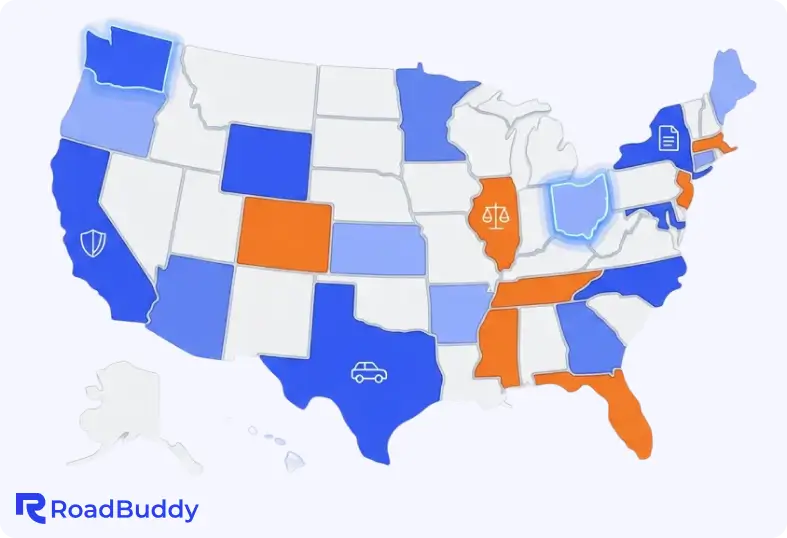
The other area of confusion is the fact that Michigan insurance providers are allowed to establish their own underwriting guidelines as long as they are within the regulatory guidelines. There is no statewide standard that outlines exactly who should be listed on all insurance policies. As the Michigan Department of Insurance and Financial Services outlines, the consequences of missing information on an insurance policy depend on the insurance contract as well as the individual case. This means that two individuals with the same household situation could have completely different outcomes depending on the insurance provider.
Why This Is Becoming More Common
According to officials and consumer groups, the insurers are now reviewing applications more carefully as the cost of claims continues to increase. Rising medical bills, car repair estimates, and fraud prevention activities are all factors that have contributed to the increased level of post-claim review. In most cases, when a claim is submitted, the insurers may go back to the application to check the accuracy of the information. If there is any inconsistency, regardless of whether it is related to driving, it may lead to further review. Insurers claim that this is necessary to ensure the integrity of the system, but critics argue that it is unreasonable to expect consumers to comply when they were not clearly informed about the disclosure requirements.
What Michigan Drivers Should Do
State regulators advise drivers to review policy documents carefully at application and renewal, particularly sections addressing household members, dependents, and disclosure obligations. If there has been a change in household composition, including the birth of a child, policyholders are encouraged to notify their insurer proactively, even if that person does not drive. Drivers who believe a claim was unfairly denied can file a complaint with the Michigan Department of Insurance and Financial Services, which reviews disputes and enforces compliance with state law. To avoid more unfortunate troubles, it is advised to learn how to handle the claims process from A to Z.
The Bigger Issue
These cases highlight a broader challenge in auto insurance: the gap between consumer expectations and insurer interpretation of policy language. In Michigan’s complex no-fault framework, that gap can carry real financial consequences. Until disclosure rules are standardized or communicated more clearly, drivers may remain vulnerable to denials based on details they never realized were relevant.