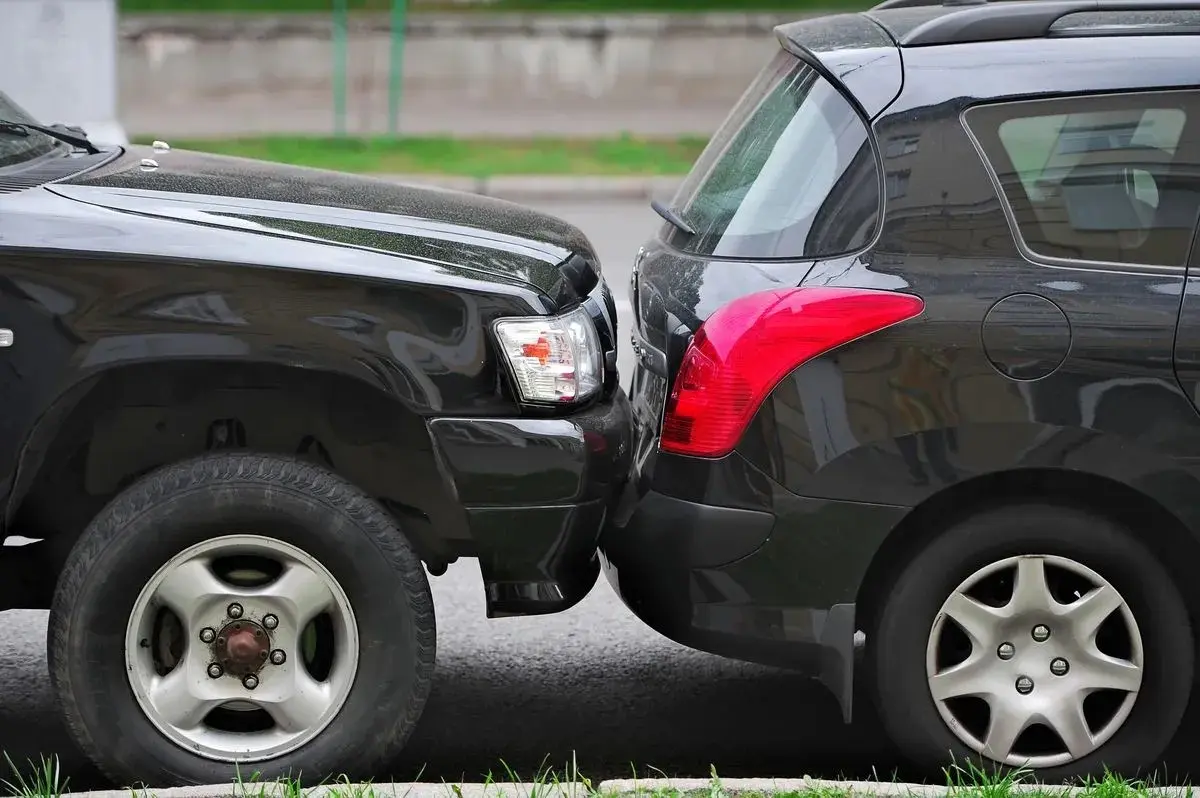


A class action lawsuit was filed in a Florida federal court against one of the most known car insurance providers GEICO, claiming that the company adds individuals to customers’ automobile insurance policies without explicit consent and subsequently increases premiums accordingly. The lawsuit was brought by Florida policyholder Allison Kane against GEICO Casualty Company and relates to the practice of insurers using third-party information to identify “possible household drivers.”
This is not the first lawsuit of its kind, as insurers have increasingly turned to third-party sources to identify licensed drivers associated with an address. Insurers claim that they require accurate information about household drivers in order to properly assess risk and avoid misrepresentation. However, policyholders claim that the information is not always accurate and that the process can place the burden on the customer to disprove a match, sometimes on a short deadline, with a premium increase if they miss it.
What the lawsuit alleges, in plain terms
Kane’s complaint claims GEICO used a routine practice of pulling information from third-party sources to identify drivers who may be associated with a policyholder’s address. According to the lawsuit, GEICO then sent notices warning it would add those drivers unless the customer responded, and in some cases added the drivers automatically when no response was received.
The core accusation is not that insurers can never verify household drivers. The claim is that GEICO allegedly added drivers who were strangers to the policyholder, without properly confirming they actually lived in the household or regularly used the vehicle, and then made it difficult to reverse the addition.

Top Car Insurance Providers in 2026
What Kane says happened on her policy
According to the complaint, Kane was a named insured on a GEICO auto policy when GEICO emailed her in February 2024. The email allegedly stated that a person named Carter K. Riddle “may be” a licensed or permitted driver using Kane’s address as their primary address.
Kane claims that when she did not respond within 15 days, GEICO automatically added that person to her policy as a covered driver. The lawsuit says this caused Kane’s premium to increase. Kane also alleges a second individual was added to her policy under similar circumstances.
Make Sure You’re Not Overpaying
Advertiser Disclosure
RoadBuddy is a free resource that helps drivers compare auto insurance options.
We may receive compensation from some insurance companies and partners when you click on links or request a quote through our site. This may affect where offers appear, but it does not influence our reviews, guidance, or editorial decisions.
Our content is researched and written independently to give you clear and unbiased information.
By using RoadBuddy, you acknowledge and accept this disclosure. Learn more.

The dispute over verification and transparency
The complaint argues GEICO did not adequately verify the residency of the individuals it added. It also claims GEICO did not provide the underlying data used for the match, and did not identify the consumer reporting agency or third-party source that supplied the information.
That matters because household-driver disputes often turn on documentation. If a policyholder is told “our data shows this person lives with you,” the policyholder needs to know what data is being relied on, and how it can be corrected. The lawsuit’s position is that policyholders were not given enough detail to challenge the decision effectively.
Allegations about the removal process
Kane also claims the process for disputing and removing added drivers was more difficult than the notice suggested. According to the complaint, GEICO routinely refused to remove individuals based only on the insured’s statement that the person had no connection to the household or vehicles, or that the person had their own insurance elsewhere.
If accurate, that would be a key issue because most consumers assume they can correct a mistake quickly with a phone call or written confirmation. The lawsuit suggests that was not the experience for affected policyholders.
Who Kane is trying to represent
Kane is seeking to represent a nationwide class of policyholders who received a document from GEICO stating that the company would add a driver based on third-party information, and who then paid a higher premium after the driver was added automatically without the insured taking affirmative action.
Class definitions like this typically become a major battleground in litigation. The court will have to consider whether the experiences are similar enough across states, policy versions, and time periods to justify treating the claims as one class case.
What legal claims are being made
The complaint alleges breach of contract, breach of the covenant of good faith and fair dealing, unjust enrichment, and violations of Florida’s Deceptive and Unfair Trade Practices Act. Kane seeks class certification, damages, attorneys’ fees and costs, and a jury trial.
These claims generally attempt to cover two theories at once: that GEICO’s policy terms and process did not permit the alleged automatic additions, and that the way the process was presented to consumers was unfair or misleading.
Why insurers care about “household drivers” in the first place
Auto insurance pricing assumes insurers know who regularly operates the vehicle and who lives in the household. Many policies require carriers to rate household members or regular operators because claim risk increases when additional drivers have access to the car. Insurers also treat undisclosed drivers as a problem because it can distort pricing and lead to disputes after a claim.
That broader context is important because it explains why insurers use third-party tools at all. The controversy is how aggressive the enforcement becomes when the data is wrong, when the person is not actually in the household, or when the policyholder is given limited time to respond. Sometimes, it’s better to consider changing Auto Insurance Providers to avoid legal disputes altogether.
Why this case matters for consumers
If the allegations are true, there are also some practical consumer considerations about the weight that an insurer assigns to third-party address matches, the disclosure of the source of the information, and what the insured must do to correct an incorrect driver identification.
There are also some broader practical considerations that are relevant outside of this case, which is that drivers should be sure to review their renewal documents and emails carefully because insurer communications about household drivers are often routine in appearance even if they have significant implications for premium or coverage terms.