
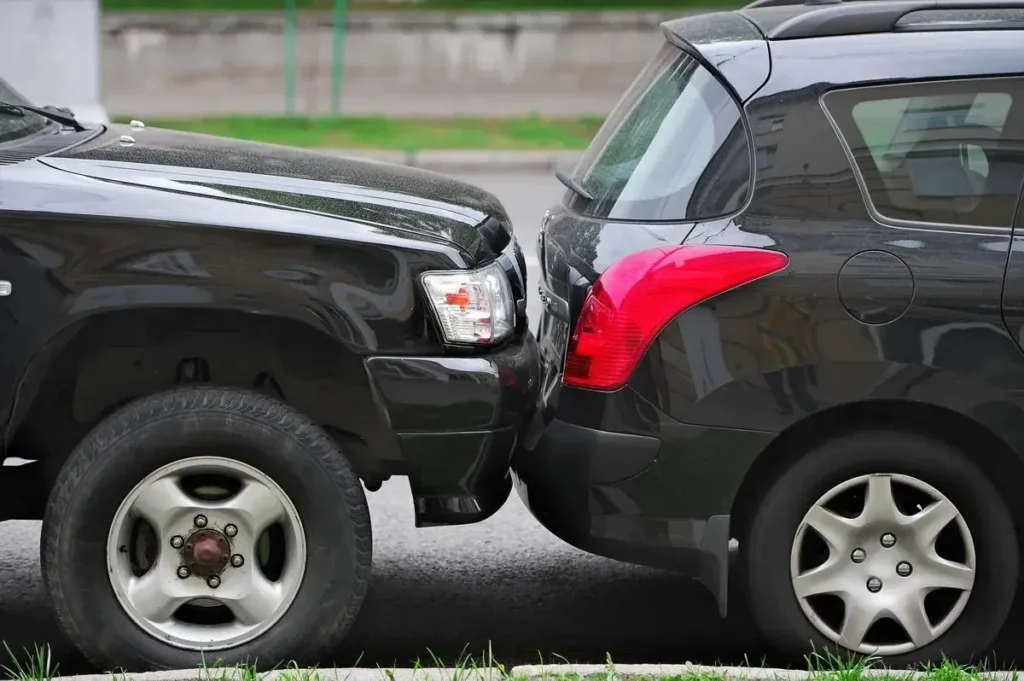
A South Florida couple says a relatively minor crash turned into a long dispute after State Farm quickly treated their vehicle as a total loss. Patricia Haddon and Barry Rebo, both retired and in their 70s, said they felt pressured to give up Rebo’s 2007 Lexus SC 430 following a collision on Interstate 95 the day after Thanksgiving.
They said the car had a punctured front tire and bumper damage, and was otherwise still drivable. After reporting the claim under their full-coverage policy, they expected a normal repair process. Instead, Haddon said the claim shifted almost immediately toward a total-loss outcome.
What the couple says went wrong
Haddon explained that communication was not easy after that, and she said that “calls were not being returned, and when they were, it was from State Farm’s total loss department.”
Haddon explained that a representative told them that Lexus had been deemed a total loss, that the repair estimate was over $12,000, and that exceeded the car’s value.” The couple asked for documentation to support this determination and asked for another estimate, but these requests were not being fulfilled, and “the conversation got tense when they didn’t accept that determination of total loss.
Haddon explained that the explanation for how that determination of total loss was made shifted. She explained that “the explanation was that the body shop had determined that this was a total loss, and then State Farm’s supervisor explained that that determination had come from State Farm’s side.

GEICO Sued Over Alleged Automatic Driver Add-Ons
Why “total loss” creates pressure in Florida
A total loss determination is not merely a claim classification, as it could subject a claimant to time-sensitive title and paperwork requirements under Florida law. After a total loss determination, the owner of a vehicle could be required to surrender the title within a brief time frame unless a “retain the vehicle” option is chosen within the salvage system.
This creates a sense of urgency with a claim before the owner has an opportunity to evaluate the estimate, validate the value, and/or obtain verification of the damage. For drivers who want to keep an old vehicle, or for drivers who believe that the repair costs are inflated, the total loss determination becomes a claims dispute.
CBS News Miami asked State Farm about the claim. A spokesperson said the company could not discuss specific claim details due to customer privacy and added that State Farm would review the situation and provide appropriate assistance.
Make Sure You’re Not Overpaying
Advertiser Disclosure
RoadBuddy is a free resource that helps drivers compare auto insurance options.
We may receive compensation from some insurance companies and partners when you click on links or request a quote through our site. This may affect where offers appear, but it does not influence our reviews, guidance, or editorial decisions.
Our content is researched and written independently to give you clear and unbiased information.
By using RoadBuddy, you acknowledge and accept this disclosure. Learn more.

What changed after an independent inspection
Haddon said she documented everything throughout the process, including receipts, emails, texts, and phone records. She said State Farm ultimately agreed to an independent inspection about three months after the crash.
The independent estimate came in under $7,000, much lower than the original estimate. Haddon said it was a “win,” but it took a level of persistence they didn’t expect, given the damage they considered repairable.
What consumer advocates recommend in similar cases
Michael DeLong of the Consumer Federation of America explained that cases such as this can sometimes occur on older cars, where the difference between “repair” and “total loss” can be a fine line. DeLong suggested that in cases where a car is declared a total loss and it seems to be an unreasonable determination, an independent evaluation by a body shop or adjuster may be in order. DeLong also pointed out that in some cases, resisting the determination may not result in a quick resolution.
Why total-loss disputes are becoming more common
Total-loss decisions usually come down to math. Insurers compare the expected cost to repair the vehicle against the vehicle’s actual cash value, then apply state rules and internal thresholds. Older cars are more likely to land near that threshold because their market value is lower, even when damage is relatively limited.
Repair estimates also trend higher today because modern collision repairs often involve more than visible bodywork. Sensors, cameras, and calibration can add significant cost. Labor rates, parts availability, and longer repair times add to the total as well. As a result, insurers may reach a total-loss conclusion faster than many drivers expect, especially for vehicles that are older or less common. For consumers, the main lesson is not to assume “full coverage” guarantees a smooth process. Full coverage generally means you carry a collision and comprehensive along with liability. It does not guarantee agreement on repair scope, valuation, or timelines. If you receive a total-loss determination and the vehicle appears repairable, documentation and an independent estimate are often the most effective tools for clarifying whether the insurer’s decision is reasonable.

If you’re told your car is a total loss, practical steps to take
Begin by slowing the process down just enough to gain clarity. Before the car is moved, disassembled, or taken apart, take clear pictures and video of the damage from all angles, including the odometer and VIN plate if possible.
Then request the actual paperwork that supports the claim. This means the full estimate for repairs, not just a summary, and the report used to determine the actual cash value of the car. You want to see what similar cars were used for comparison, what condition modifications were made, and what costs were factored into the determination.
If the numbers don’t look right, ask for an independent evaluation. Specify your request: you want a second repair estimate from a repair shop of your choosing, and you want the insurer to verify whether they will consider the second estimate when making the total loss determination.
Keep your communication organized throughout this process. Save emails and texts, and record the date, time, and name of each person you speak with, and what they said they would do next. If you are not getting any response, request a supervisor review instead of repeatedly calling the same adjuster with the same request.
If you are still having trouble obtaining documents, explanations, or a fair process for review, take it outside of the company. In Florida, this means filing a complaint with the Florida Office of Insurance Regulation and including the estimate and valuation documents that you have obtained.