

Auto insurance has quietly become one of the most volatile household expenses in the U.S. In the last few years alone, premiums have risen faster than inflation in many states, thanks to repair cost inflation, supply chain disruptions, higher medical payouts, and extreme weather losses associated with increasingly complex vehicles. Whereas growth in rates began to slow in parts of the country, the baseline cost of coverage remains elevated into 2026.
For drivers, that means one thing: insurance is no longer a “set it and forget it” bill. The difference between passively renewing and actively managing a policy can easily reach four figures per year.
Why Insurers Keep Raising Rates
Many think that having a clean driving history automatically means cheaper car insurance. That’s a myth. Increase is being experienced, even for individuals with clean driving histories, due to pricing at individual and market levels. At the individual level, factors include driving histories, miles driven, credit-based insurance scores, vehicle types, and garaging locations. At the market level, insurers adjust base rates in line with overall loss trends, including jury awards, which have traditionally been rising, repairs that may be longer in length, and catastrophe exposure in some regions.
In most instances, insurance companies are still recovering from years of underwriting losses. As such, insurance rates filed and allowed in 2024 and 2025 result in continuous renewals beyond 2026 while providing the illusion of perpetual increase while driving habits remain static.
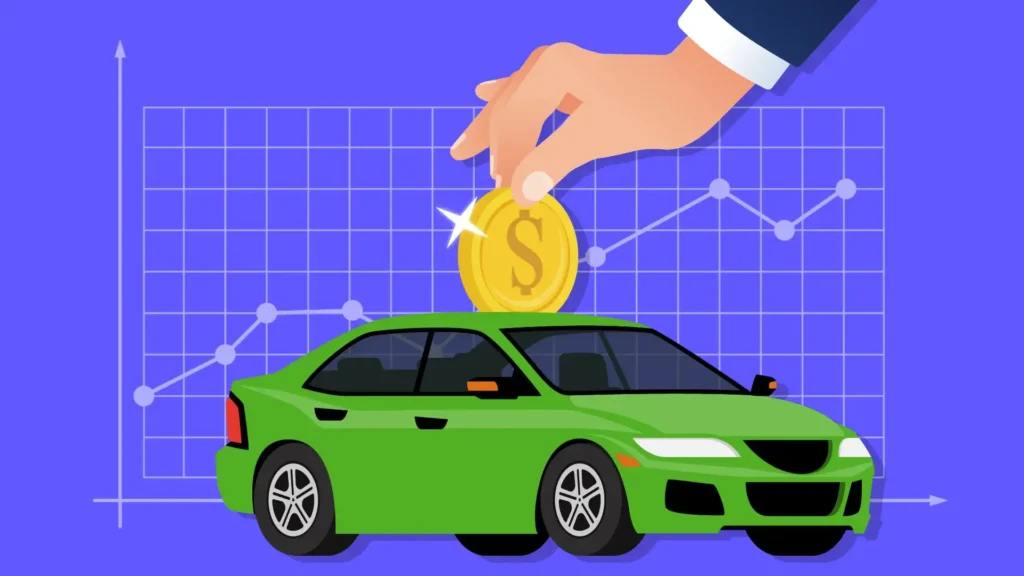
Surprise: your “car payment” is basically a lie
Why Shopping at Renewal Works
Generally, insurers compensate little to no profit for loyalty. New business prices tend to be cheaper than renewal prices as companies attempt to acquire market share. This causes price inefficiency, which is good for the consumer to utilize.
The way every insurance company evaluates risks is unique. For instance, one company might charge steeper fees for ZIP codes where crimes typically occur, while another focuses on the cost of repairing a vehicle. Some companies might be lenient about older accidents, whereas others charge stiffer fees for recent accidents.
Industry data indicates that customers who renew and save are able to save more, regardless of whether they stay with their current insurance provider.
Make Sure You’re Not Overpaying
Advertiser Disclosure
RoadBuddy is a free resource that helps drivers compare auto insurance options.
We may receive compensation from some insurance companies and partners when you click on links or request a quote through our site. This may affect where offers appear, but it does not influence our reviews, guidance, or editorial decisions.
Our content is researched and written independently to give you clear and unbiased information.
By using RoadBuddy, you acknowledge and accept this disclosure. Learn more.

How to Compare Policies Without Losing Protection
Cutting costs doesn’t mean stripping coverage. The most effective savings come from maintaining appropriate protection while finding a carrier that prices your profile more favorably.
Key elements to review include:
- Liability limits sufficient to protect assets
- Comprehensive and collision coverage aligned with vehicle value
- Deductibles that balance premium savings with realistic out-of-pocket risk
- Uninsured and underinsured motorist coverage, especially in high-risk regions
- Using your current declarations page as a reference point helps ensure comparisons are accurate and meaningful.
Discount Optimization Is Often Overlooked
Many drivers miss out on discounts because they’re not automatically applied. Insurance companies may ask drivers to provide documentation or enroll in programs to obtain certain discounts. Mileage, defensive driving, being a good student, purchasing multiple policies from the company, paying bills automatically, and paperless billing can significantly lower insurance costs.
There are various levels of discount rewards for telematics program participants across different carriers. While one provider may significantly reward policyholders for participating in a telemovies program, another provider might offer greater bundling incentives. Secondly, it is possible to make savings through changing car insurance providers even if the policies remain the same

Evaluating Insurers Beyond Price
After all, a low premium means little if claims handling is slow or contentious. Financial strength ratings, customer satisfaction surveys, and complaint ratios offer insight into how insurers perform after accidents. Drivers should be thinking about whether an insurer has the scale and stability to manage large claims during regional disasters or high-volume periods.
Smaller or lesser-known insurers can be just as good if they are financially sound and well-rated.
Switching Cleanly and Safely
In order to avoid penalties, new coverage must start on the same day that the old policy is terminated. Even slight gaps can affect the future premiums of the new policy. When new coverage is confirmed, the old policy termination is done directly, including confirmation in writing. One should also update proof of insurance with the lending institution when dealing with leasing firms.
In 2026, auto insurance is a business where engagement is richly rewarded. Those who think about their insurance, shop for the best prices, and have at least a basic knowledge of the pricing of auto insurance are much more capable of managing their costs. In a marketplace where prices remain high pretty much everywhere, there is still a lot of inefficiency and the engaged driver is the beneficiary.