
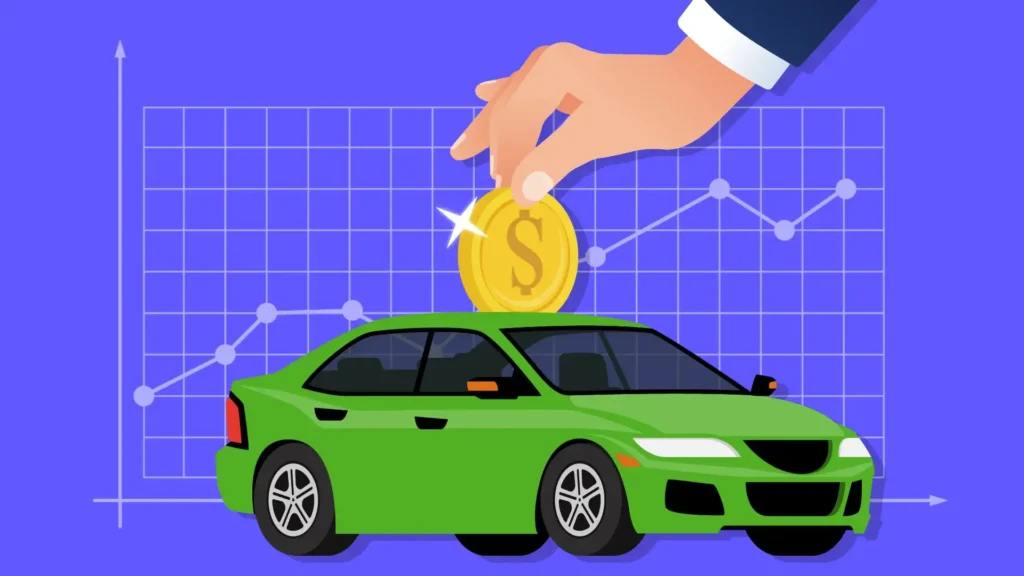
A lot of people still budget for car ownership like it’s 2015: focus on the monthly payment, maybe eyeball gas, and assume the rest will be “normal.” That logic is getting wrecked in real time. A new Bankrate analysis argues that the non-payment costs of owning a car have become a major monthly expense on their own, and they’re rising even when you don’t change vehicles.
The bigger shift is psychological as much as financial: car ownership used to feel predictable. Now it behaves like a volatile bill. Insurance can jump at renewal, repairs can surprise you, and taxes and fees depend heavily on where you live. Bankrate’s framing is basically: the sticker price is only the first decision. The ongoing ownership costs are the real commitment.
What “hidden costs” actually means (and why the term matters)
Bankrate uses “hidden costs” as shorthand for the stuff that isn’t your loan or lease payment but still hits your budget every year: auto insurance, gas, maintenance and repairs, and state-level vehicle taxes/fees.
None of these are truly “hidden,” of course. The problem is that buyers tend to treat them as background noise. The study’s point is that they’re not background anymore. They’re a large, ongoing expense category that can swing up without warning.
To compare states fairly, Bankrate models a standardized driver and vehicle profile, rather than using a mix of random cars and driver histories. That’s important because it keeps the comparison about geography and market conditions, not about someone’s tickets or a luxury SUV.
Make Sure You’re Not Overpaying
Advertiser Disclosure
RoadBuddy is a free resource that helps drivers compare auto insurance options.
We may receive compensation from some insurance companies and partners when you click on links or request a quote through our site. This may affect where offers appear, but it does not influence our reviews, guidance, or editorial decisions.
Our content is researched and written independently to give you clear and unbiased information.
By using RoadBuddy, you acknowledge and accept this disclosure. Learn more.

Why car ownership costs keep rising even when inflation cools
The analysis argues the trend is a pile-up of pressures that hit different parts of ownership at different times.
The most obvious example is insurance. It’s sensitive to repair costs, medical costs, theft trends, litigation outcomes, and weather losses, and often continues moving upwards long after broader inflation measures have slowed. So even when the headline CPI cools, your premiums can keep going up because it’s still an expensive claims environment.
Maintenance and repairs are similar in that parts availability, labor rates, and vehicle complexity all push costs up. Modern cars also tend to be safer and more heavy with technology, which is great until a minor crash becomes a sensor-and-calibration bill. Bankrate also flags that trade policy-one better known by the name of tariffs-can raise the cost of parts and repairs that feeds into insurance costs over time.
Gas is the one category that can provide short-term relief, but even there, what you pay is often driven more by miles than by price per gallon. If you live in a state where people drive long distances, “cheaper gas” can still produce a big annual fuel spend.
Taxes are the wild card because the U.S. is a patchwork. Some states hit you harder at purchase and registration, others spread costs across time, and local rules can change the outcome even within the same state.
Why some states feel brutally expensive and others don’t
Bankrate’s state rankings boil down to a simple idea: “ownership” is not a single U.S. experience. It’s fifty different markets.
In the most expensive states, insurance tends to be the anchor problem. High claim frequency, severe weather exposure, theft risk, dense traffic, and coverage requirements can all push premiums upward. When insurance is high, it drags the entire “hidden cost” total up even if gas or taxes are average.
In the least expensive states, the pattern usually includes some combination of lower insurance premiums, lighter tax burdens, or structural features like no statewide sales tax on vehicles. Bankrate highlights that a few states benefit from those kinds of structural differences, which is why they land on the low end year after year.
The important nuance: even lower-cost states are seeing increases. Bankrate’s point isn’t “move and you’re fine.” It’s that the floor is higher than it used to be, almost everywhere.
The part that quietly dominates budgets: auto insurance
Bankrate’s breakdown shows insurance taking the largest share of these “hidden” costs nationally. That matters because insurance is the expense most likely to spike in a way you didn’t plan for.
This is why car ownership feels unstable right now. If your gas goes up a bit, you notice it. If your insurance jumps at renewal, it can change your entire monthly budget. And unlike gas, you can’t just “buy less insurance” without exposing yourself to financial risk.
What to do with this before you buy a car
If you’re buying, treat insurance as part of the purchase decision, not an afterthought. Quote multiple vehicles before you commit. Two cars can be similarly priced and still carry very different premiums because insurers rate theft risk, repair severity, and claim patterns differently by model.
If you’re keeping your current car, assume volatility and plan for it. Review your policy at renewal, verify discounts, and make sure your deductibles match what you can actually pay out of pocket. For a lot of households, the difference between “autopilot renewal” and “active shopping” is one of the few levers left that can meaningfully change the number.
And if you’re trying to reduce ownership cost long-term, focus on the categories that compound: insurance and repairs. Gas moves, but insurance and repairability often determine whether your car is a stable expense or a financial headache.
If you want, I can rewrite this into a cleaner newsroom-style piece with a tighter lead and a short “what changes in 2026” section, still keeping the numbers minimal.