
After a few years where renewals felt like a guaranteed punch to the budget, the rate environment is calming down in 2026. ValuePenguin’s State of Auto Insurance 2026 report projects a national increase of about 0.67%, and it expects premiums to decline in 32 states.
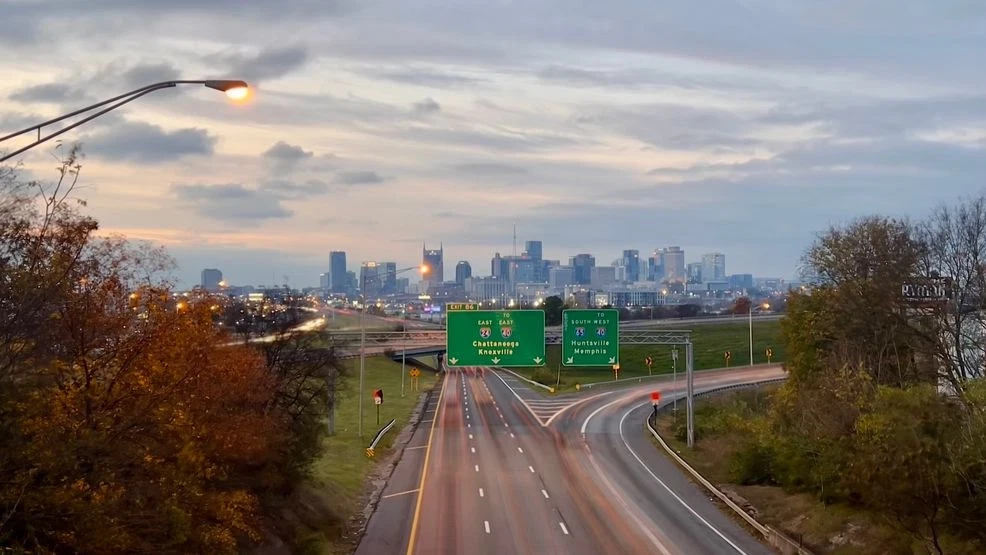
Tennessee is one of the states that looks comparatively favorable in that framework. The same reporting puts the typical full coverage cost in Tennessee at about $176 per month, with Chattanooga near that level at roughly $181 per month.
None of this means insurance becomes “cheap” overnight. It means the market is no longer accelerating the way it did during the worst of the post-pandemic inflation period, and that changes what drivers might see at renewal.
What “rates are cooling” means in real life
A cooling year doesn’t guarantee a decrease on your individual policy. It changes the odds.
In the last few renewal cycles, many carriers were still catching up to higher claim severity: more expensive repairs, longer repair times, higher medical costs, and more costly total losses. That pressure forced broad rate filings and frequent adjustments. ValuePenguin’s 2026 outlook signals that the pace of increases is slowing dramatically, and that many states are moving into a year where rate decreases are more plausible.
For a Tennessee driver with a clean record, stable mileage, and no major changes, that can show up as a smaller increase, a flat renewal, or a modest decrease. For a driver who had a recent at-fault crash, a ticket, a lapse, or a new teen added to the policy, the personal risk factors can still override the statewide trend. Cooling is a market-level story. Your renewal is still calculated around you.

Nevada’s Auto Insurance Rate Cap Faces Pressure as Premium and Availability Concerns Grow
Why Tennessee is below the national average
The report’s comparison point matters because Tennessee is being measured against an average national full coverage cost around $208 per month. When Tennessee sits around $176, it’s meaningfully lower, even though drivers in the state still complain about rising premiums.
The gap usually comes down to how insurers see claim frequency and claim severity in a given state, plus the regulatory environment and local cost structures. Tennessee doesn’t escape inflation and repair complexity, but it also doesn’t carry the same combination of extreme loss pressures seen in some high-cost states. That’s part of why the state average can remain under the national figure even in a bad insurance year.
Chattanooga landing close to the state average is also a useful reminder that “city pricing” isn’t always dramatic. Some states have a huge split between major metros and smaller towns. In Tennessee, the city-to-state difference can be present, but it may not be as extreme as in places where theft, litigation costs, and dense traffic dominate the claim environment.
Make Sure You’re Not Overpaying
Advertiser Disclosure
RoadBuddy is a free resource that helps drivers compare auto insurance options.
We may receive compensation from some insurance companies and partners when you click on links or request a quote through our site. This may affect where offers appear, but it does not influence our reviews, guidance, or editorial decisions.
Our content is researched and written independently to give you clear and unbiased information.
By using RoadBuddy, you acknowledge and accept this disclosure. Learn more.

Why rates spiked in the first place, and why the spike is fading
The story behind the last few years is not one single cause. It was stacked pressure.
Crash patterns shifted during and after the pandemic. Repair costs surged as parts and labor got more expensive and vehicles became more complex to fix. Total losses became more common in borderline cases because repair bills rose faster than vehicle values in many segments. Medical and legal costs stayed elevated in many markets. Insurers responded with rate filings because claim payouts and claim expenses were rising.
The 2026 outlook is basically saying the same cost drivers exist, but the rate of increase has slowed enough that insurers are no longer forced into constant catch-up mode. When that happens, states that were already closer to the middle of the pack have a better chance of seeing stable pricing or mild relief.
What Tennesseans can do to actually benefit from a cooling year
A calmer year is usually the year where shopping around works best. When the whole market is surging, pricing spreads narrow and everyone feels expensive. When the market stabilizes, carriers separate based on their own loss experience and how badly they want to grow in a given state. ValuePenguin makes this point directly by emphasizing how wide quote differences can be when you shop.
If you want to turn the “cooling” trend into real money saved, focus on the parts you control that insurers actually price around.
Start with your mileage. If you changed jobs, work remotely, retired, or drive fewer miles than you used to, make sure your policy reflects that. Many people keep paying for an old commute for months or years because nothing forces them to update it.
Then confirm your coverage is being compared correctly when you shop. Keep liability limits and deductibles identical across quotes. “Cheaper” can simply mean “less protection,” especially when one quote quietly drops collision, comprehensive, rental reimbursement, or lowers liability limits.
After that, check discounts that require action. Good student discounts require proof. Defensive driving discounts often require an approved course. Paid-in-full and paperless discounts depend on billing settings. Bundling can be valuable, but it needs a real quote comparison because bundling can also mask an overpriced home or renters policy.
If you’re considering telematics, treat it as a trade. It can lower premiums for some drivers. It can also punish patterns like heavy commuting or frequent night driving depending on the scoring model. Ask whether the program can raise your rate at renewal or whether it is discount-only.

What to expect for 2026 renewals in Tennessee
Most drivers should treat 2026 as a year where the market is less hostile, not a year where rates magically reset. The Tennessee averages suggest the state remains better than the national midpoint, and the broader national forecast suggests the industry is entering a slower-growth phase for premiums.
If your renewal still jumps hard this year, the most likely reason will be personal rating changes, carrier-specific adjustments, or changes in your local territory. That’s also your signal to shop, because stable markets create more opportunity to find a carrier that prices your exact profile better.