
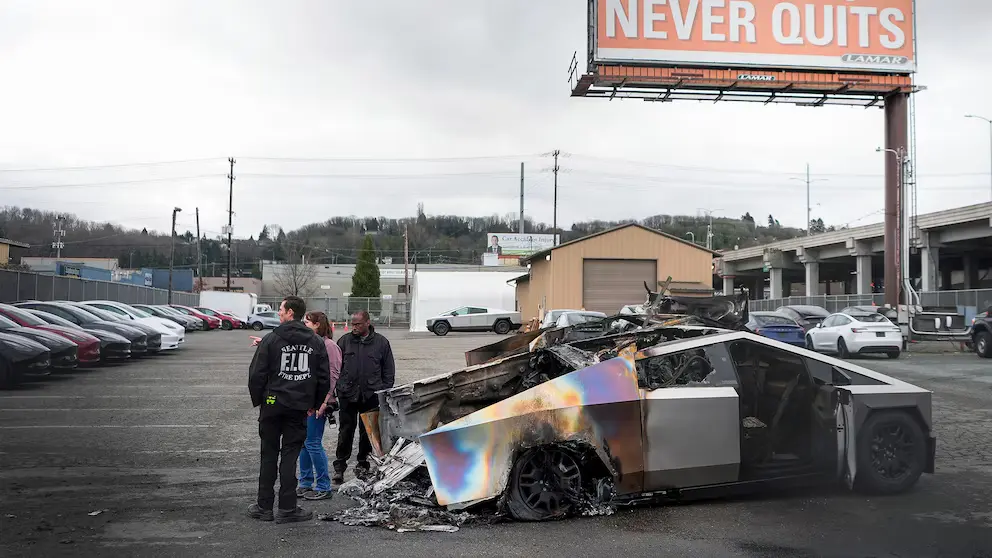
Electric vehicles are showing up in collision shops more often across North America, and the claims are different from what insurers and repair networks were built around a decade ago. The vehicles are packed with sensors and software-driven systems that need to be rechecked after repairs. Parts replacement leans heavily toward OEM components. Labor requires additional training and specialized tools. When all of that stacks up, claim severity increases, and premiums tend to follow.
Mitchell’s collision data for 2025 points to a clear trend: repairable EV collision claims increased sharply, with growth reported at 14% in the United States. The jump is partly a “more EVs on the road” effect, and partly a “repairs are more involved” effect that shows up in estimates, cycle time, and total claim cost.
Why calibrations matter so much
Calibration is the step where a repair shop re-tests and re-aligns driver assistance sensors after repairs, and sometimes your car insurance provider won’t cover those repairs. That includes cameras, radar, ultrasonic sensors, and related systems that support features like forward collision alerts, lane keeping, and automatic emergency braking. After certain repairs, those systems need verification and recalibration to ensure the car behaves the way it’s supposed to.
Calibration adds cost in a few predictable ways. It adds labor time. It can require dedicated equipment and software subscriptions. It often introduces extra documentation requirements for insurers. In a busy market, it also adds scheduling friction, since some shops outsource calibration to specialized partners or need a technician with specific training.
Mitchell’s 2025 figures suggest EV estimates include more calibrations on average than hybrids and gas vehicles. That gap sounds small on paper, but across millions of claims it becomes a meaningful cost driver.
The Future of EV Insurance for Owners
Repair costs are shifting, but the fundamentals still lean expensive
There is some limited relief in the numbers. Mitchell reported that average EV repair severity in the US declined about 5% in 2025. That direction is helpful, but it does not erase the structural pressure coming from parts and process complexity.
Gas vehicles and plug-in hybrids were reported as relatively stable in the US. Mild hybrids moved higher in average repair cost, which fits with more mild hybrids entering the fleet and more claims hitting repair networks that are still adapting to electrified powertrains and related systems.
OEM parts dominate EV repairs
One of the biggest differences between EV and traditional collision repairs is the parts mix. Mitchell’s EV Collision Insights reported that EV repair costs are heavily concentrated in OEM parts. The report also indicates a much smaller share of EV components are treated as repairable, compared with internal combustion vehicles.
More OEM parts usually means higher prices, fewer substitutes, and longer lead times when supply is tight. It also tends to reduce the shop’s ability to “repair instead of replace,” which pushes estimates up. Add proprietary software requirements and model-specific procedures, and the claim cost becomes less flexible.
Where EV repair activity is concentrated
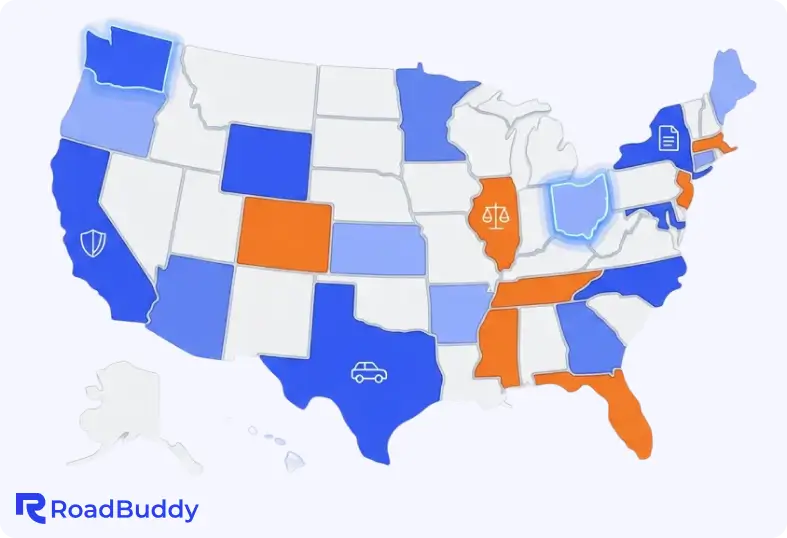
Mitchell’s geographic breakdown shows EV repair share clustering in regions with higher EV insurance adoption and higher daily utilization. In the US, California shows up strongly for similar reasons: a larger EV fleet and heavier exposure in dense traffic patterns.
This matters because repair capacity is not evenly distributed. Markets with high EV penetration tend to develop more specialized shop networks, but they also face higher volumes that can stretch cycle times. Markets with lower EV penetration can have the opposite problem: fewer shops with the right tools and training, which can push work into smaller networks and slow repairs down.
Make Sure You’re Not Overpaying
Advertiser Disclosure
RoadBuddy is a free resource that helps drivers compare auto insurance options.
We may receive compensation from some insurance companies and partners when you click on links or request a quote through our site. This may affect where offers appear, but it does not influence our reviews, guidance, or editorial decisions.
Our content is researched and written independently to give you clear and unbiased information.
By using RoadBuddy, you acknowledge and accept this disclosure. Learn more.

Tesla’s share is easing, but Model Y and Model 3 still dominate collision volume
Mitchell’s 2025 data points to Tesla losing a bit of market share in the US as competitors gain ground with newer models and aggressive pricing. Even with that shift, Tesla remains the dominant name in repairable EV collision volume because Model Y and Model 3 make up such a large share of the EV fleet.
In the US, Model Y accounts for the largest slice of repairable EV claims, followed by Model 3. In Canada, the top two are similar, with Model 3 and Model Y closely grouped.
For insurers, a fleet concentrated in a few models can make pricing more data-driven because there’s more claims history to learn from. It also creates concentration risk. If parts costs spike for a top model, or a software update changes calibration requirements, severity can rise quickly across a large block of claims.
Total losses and resale values add another layer of pressure
EV depreciation plays into insurance math in a specific way. When a car’s resale value drops faster than repair complexity drops, more borderline crashes become totals. A repairable-looking collision can cross a total-loss threshold sooner when the vehicle’s actual cash value is lower and repair costs are elevated by OEM parts and calibration steps.
Mitchell reported EV total-loss market values declining in 2025 in the US. Gas vehicles also saw declines, but less sharply in the same dataset. Analysts often connect EV depreciation to rapidly changing model pricing, new entrants, and shifts in buyer sentiment toward hybrids in some segments.
Lower resale values can make the salvage market more active, but EV rebuild economics remain constrained. OEM part pricing, limited repairability for certain components, and required post-repair calibration reduce the margin for reconditioning compared with older gas vehicles.
What this means for insurance premiums in 2026 and beyond
Insurers care about two things: claim frequency and claim severity. Mitchell’s 2025 data signals pressure on both for EVs, even with a modest decline in average repair severity in the US. More EV claims entering the system, more calibrations per estimate, and a heavy reliance on OEM parts create a cost profile that tends to push premiums upward over time, especially in high-adoption regions.
At the same time, the EV market itself is in a transition. Some sales and registration data in 2025 pointed to slower growth and more consumer interest in hybrids, which can affect the mix of vehicles being insured and repaired. That shift may change claim patterns, but it does not remove the complexity problem for the EVs already on the road.
What would actually reduce EV claim costs
The levers are clear, but they move slowly. Higher repairability would help. More certified alternative parts would help. Wider training coverage for diagnostics and calibrations would help. Better parts availability would shorten cycle time and reduce rental exposure. These are supply chain and design problems as much as they are insurance problems.
Near term, insurers are likely to keep refining EV pricing by model, region, and claim experience. Drivers may see that in higher premiums for certain EVs, stricter underwriting in some markets, and more attention to repair procedures and documentation during claims.