
Most people spend a lot more time worrying about the premium costs than the claims process. And from a logical perspective, this makes sense. Statistically, you have a one-in-ten chance of having to make a claim against your motor insurance policy, according to data. Insurance tends to be a peripheral product for many people. However, logic tends to go out of the window when something goes wrong.
The only time when the worth of your insurance policy becomes clear is when you need to make a claim. While most claims are settled, the process tends to be a lot more tenuous, adversarial, and opaque than people expect. To get a sense of what goes wrong, thousands of people who have made a claim in the last few years were asked what they claimed for, and whether the experience felt fair.
What Drivers Really Claim For (And What They Assume Is Covered)
Car insurance claims are seldom dramatic events, but most are run-of-the-mill incidents rather than catastrophic accidents.
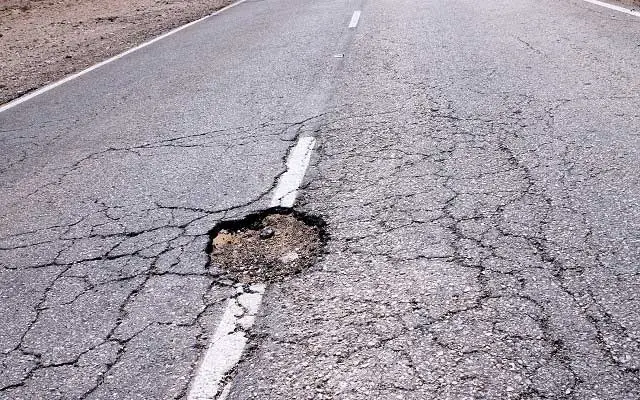
Accidental damage is the most frequent cause of insurance claims, followed by windscreen damage and accidents resulting in injury.
Crime is another important factor in insurance claims. A tenth of all claimants reported vandalism, and a similar proportion reported theft.
Assumptions made in insurance policies:
If you wish to make a claim for accidental damage to your own car, you need fully comprehensive insurance. Third-party insurance and third-party fire and theft insurance provide no help at all with the cost of repairing your own car.
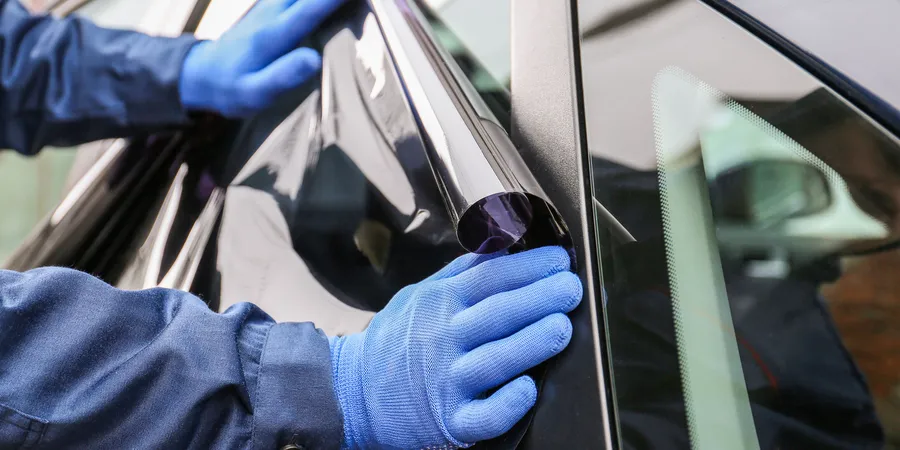
Even comprehensive insurance may not be all it seems. Some comprehensive insurance plans may exclude windscreen and window damage altogether. When a group of insurance plans was studied, some of the “basic comprehensive” insurance plans had no windscreen/window cover at all.
Theft claims alone amounted to hundreds of millions of dollars last year, while repair costs came close to two billion pounds, according to the Association of Insurers. However, the wording of insurance plans still decides whether a vandalism claim will preserve your no-claims discount or quietly eats away at it when your policy is up for renewal.
Claims Acceptance Isn’t the Same as a Good Outcome
On paper, most claims are accepted by the insurer. But there is more to the story.
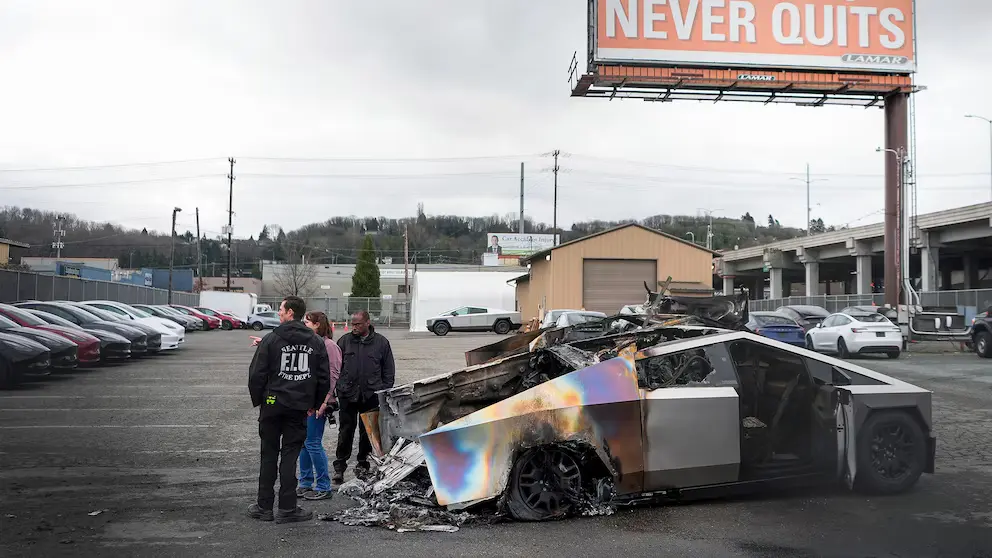
In fact, more than one in ten are only partially settled. But things get more alarming when vehicles are written off or stolen. In these cases, the level of dissatisfaction is much higher. In fact, more than one in thirty were not satisfied with the offer made by their insurer. This is especially true if the offer was not enough to replace the vehicle.
In fact, the process was described by many as more of a negotiation than an assessment. It is clear that the offer made by the insurer was not seen as an end result but more of an initiation.
But there is more to the issue than just the perceptions of motorists. Regulators have already pinpointed cases where insurers were unfairly valuing vehicles for total loss claims.
In fact, hundreds of thousands of motorists were compensated for hundreds of millions of pounds following such cases.
So, what does it mean? It is clear that unless motorists make an issue of the offer made by their insurer, they are not likely to get what they are entitled to.
Why Settlement Disputes Keep Happening
Transparency is one of the weakest areas of the claims process.
A significant percentage of claimants who received reduced or denied payoffs complained that they never received any clear explanation. In fact, two out of every three claimants who received partially paid claims and were surveyed complained that they never understood why their claims had been made that way.
It is the responsibility of the insurer to set the figures and assumptions that go into calculating a settlement. It is then up to the policyholder to trust these figures, even if they do not match the actual prices of cars on the market. When no clear explanation is given, it is then on the customer to prove that the offer is incorrect.
Those who are aware that they have the right to dispute figures, find comparable listings, and complain about them have a better chance of getting a good deal. Those who do not have that knowledge do not.
When Things Go Wrong, What Actually Helps
Claims failures do not occur all at once, but through a process of delay, poor communication, and reduced payment. There are a few key areas where drivers can improve their position substantially.
The choice of insurer is more important than most people think. While price comparison sites focus on premiums, service quality varies substantially between insurers, and a cheap policy can become costly in dispute situations.
Be insistent on understanding. If a claim is denied, delayed, or partially settled, ask for a written explanation of how the decision was made. Insurers have a duty to do this, even if they do not offer to explain themselves.
Complain early and complain formally. Complaints are not a waste of time. In fact, a significant proportion of direct complaints to insurers are upheld, meaning that the insurer admits that something went wrong.
The Bigger Picture Drivers Miss
The truth is, most claims are indeed paid. That’s the good news. However, that’s not the same as being good.
The test of whether you’re being treated right isn’t whether the claim gets paid. It’s whether you end up back in the same position you were in before the claim happened, without having to struggle for it.
Car insurance does not crash and burn spectacularly. It fails quietly, in small ways, through insufficient payments, mysterious deductions, and claims that are just a little too low. Knowing this is the first step to protecting yourself when the insurance isn’t just theoretical anymore.