
EVs are getting normal fast. Insurance is catching up, but not because carriers suddenly got altruistic. It’s because EVs break a bunch of assumptions baked into traditional auto insurance: what costs the most to fix, what counts as “mechanical” vs “electrical,” how claims get verified, and who ends up holding the bag when software is involved.
Old-school policies were built around engines, body work, and liability. EVs bring batteries that can cost a small fortune, electronics that require calibration, and updates that can change how the car behaves. That shifts what insurers price for and what they fight over when a claim hits.
You’ll see big market forecasts projecting EV-specific insurance growth, like estimates going from about $50B in 2024 to $507B by 2033 with growth above 19% CAGR. Even if those numbers are a little hype-y, the direction is obvious: more EVs means more EV claims, and insurers want products that match the risk instead of getting surprised by battery and tech costs.
Customized coverage for EV-specific stuff
The biggest shift is that EV policies are starting to insure the expensive proprietary tech more explicitly. A conventional policy might treat the battery like “part of the car,” but the pricing, exclusions, and settlement behavior can feel very different when the battery is basically the car.
Battery and range-related protections
Battery coverage is the headline everyone asks about, especially around degradation. Not every insurer is going to cover normal aging, because that’s basically a warranty problem. But some products are experimenting with thresholds or specific events that trigger coverage. The consumer-friendly idea is simple: if the battery takes a hit that meaningfully reduces range or value, you’re not stuck eating the whole cost.
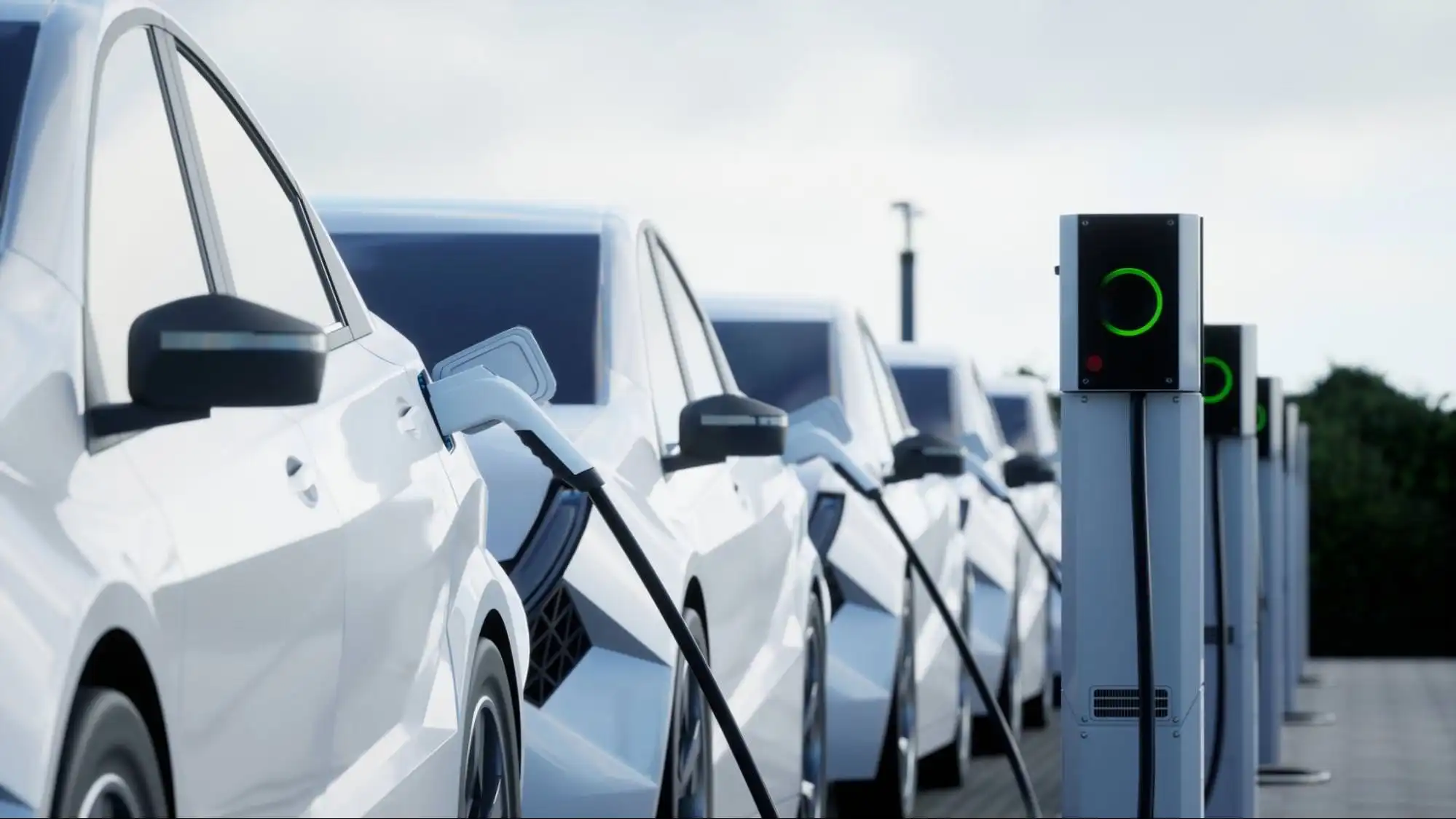
Charging hardware protection
Charging equipment is the other piece people forget until it breaks. Home chargers can get fried by a surge, vandalized, or damaged in ways that don’t fit neatly into auto coverage. More EV-oriented offerings are starting to include or bundle protection for charging hardware because its part of the ownership stack now, not a random accessory.
Make Sure You’re Not Overpaying
Advertiser Disclosure
RoadBuddy is a free resource that helps drivers compare auto insurance options.
We may receive compensation from some insurance companies and partners when you click on links or request a quote through our site. This may affect where offers appear, but it does not influence our reviews, guidance, or editorial decisions.
Our content is researched and written independently to give you clear and unbiased information.
By using RoadBuddy, you acknowledge and accept this disclosure. Learn more.

Data-driven pricing and telematics gets louder
EVs generate a ridiculous amount of data, and insurers love that. Telematics and usage-based insurance are getting pushed harder because the pitch is “price the driver, not the demographic.” In practice, its “we can measure more, so we can segment risk harder,” and those two things don’t always feel the same for drivers.
UBI scoring based on driving and charging patterns
Insurers look at driving behavior like hard acceleration, harsh braking, speeding, and phone distraction. Some also want EV-specific signals such as charging routines and vehicle health indicators. Programs claim they can reward smoother driving and lower-risk miles. The downside is they can also punish normal life: dense traffic, night driving, short trips, and city commutes.
Faster claims, less arguing, sometimes
Telematics can help with first notice of loss, crash detection, and faster validation of what happened. When it works, it cuts down the “send us ten more photos” loop. When it doesn’t, you end up fighting an algorithmic narrative about your crash that you never agreed to.
Car Insurance Comparisons Now Work Inside ChatGPT
Regional incentives and where EV premiums may actually drop
EV insurance pricing isn’t uniform because EV adoption isn’t uniform. In places with high EV penetration, insurers compete harder for that customer base, which can keep pricing more reasonable. Some regions also push EV discounts through policy incentives, and insurers sometimes mirror that with discounts framed around low mileage, safer driving, or clean-energy alignment.
Discounts tied to behavior
Most carriers aren’t writing direct rebate checks. Its usually car insurance discount logic tied to things insurers already want: fewer miles, fewer risky trips, and predictable driving patterns. In clean-energy-favoring states, you also see insurers align product messaging with local sustainability goals because it plays well with regulators and consumers.
The repair-cost curve matters long term
As battery production scales and repair networks mature, insurers expect long-term claim costs to ease. That doesn’t mean EV claims get cheap overnight, but it does mean EVs don’t have to stay in the “expensive novelty” tier forever.
Cyber coverage becomes a real insurance line item
Modern EVs are basically computers that move. They connect to apps, chargers, and networks, which introduces cyber risk that is boring but expensive: compromised accounts, malicious access, charger tampering, and personal data exposure through infotainment and connected services. Cyber riders can include costs tied to restoring compromised systems, incident response, or damage connected to tampered charging infrastructure. Some also bundle identity theft protection if personal information stored in the vehicle ecosystem gets stolen.
Insurers and tech partners are starting to offer monitoring tools that flag suspicious activity. Some also discount drivers who keep software patched and use secure charging setups. Its the same behavior-based concept as telematics, just applied to digital hygiene.
Shared and autonomous EVs force insurance to get weird
Car-sharing and autonomous features break the classic “one owner, one driver” assumption. That pushes the market toward on-demand coverage models and more complex liability frameworks. For shared mobility, the trend is per-trip or per-minute coverage that activates when a user unlocks the car and shuts off when they end the rental. It sounds clean, but it adds parties and paperwork: the platform, the driver, the owner, and their insurers. For higher automation, liability can move from the driver to the manufacturer or software developer when a system failure is involved. Insurers are testing products that adjust based on how the vehicle is used, like private ownership vs robo-taxi operations. Some are also piloting automated claim verification using sensor data to reduce disputes, though trust in the inputs is still the big hurdle.
Where EV insurance is headed
EV insurance is moving toward personalization because that’s the only way to price these vehicles without guessing. Battery exposure, charging setups, software risk, claims automation, and telematics are all becoming part of the product.
If you own an EV or you’re shopping for one, don’t assume a standard auto policy “covers everything.” Ask specifically about battery damage, charging equipment, calibration after repairs, how data affects pricing, and whether telematics can increase your rate later. EV insurance is getting smarter, but its also getting more conditional.