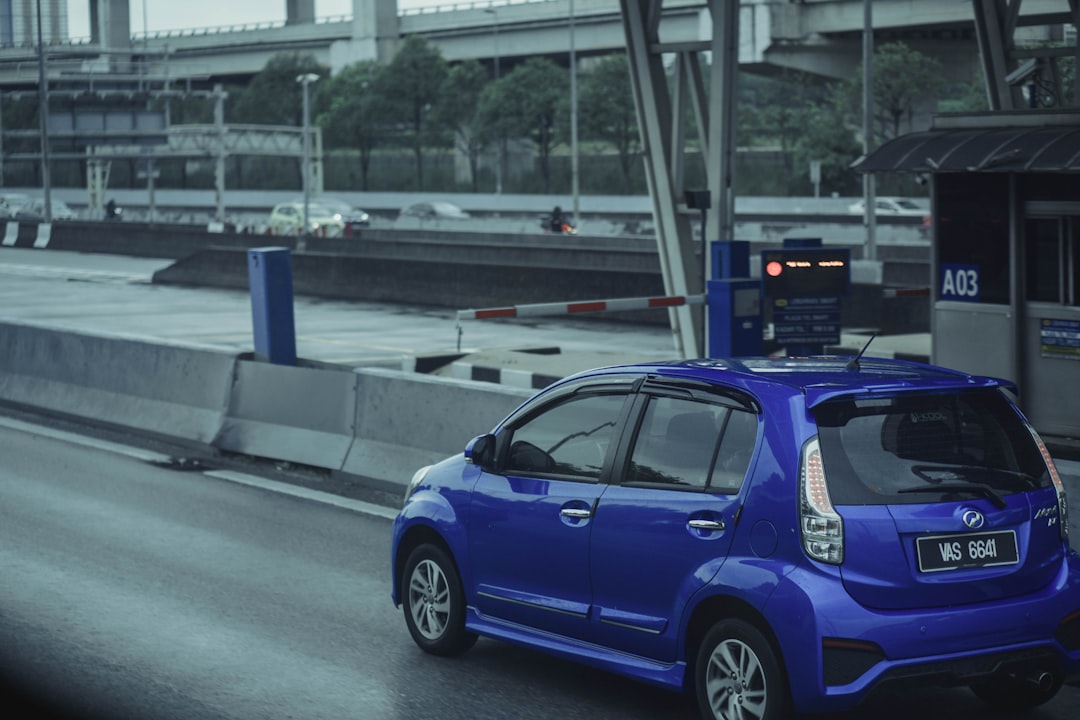


Stock photo for illustration purposes only.
Your car insurance might feel like just another monthly bill, but a major shift is happening in how insurance gets viewed across industries. Business executives now see insurance as a strategic tool for managing risk rather than an unavoidable expense—and this change could reshape how auto insurance works for everyday drivers.
The Strategic Insurance Revolution
A recent survey of 1,750 business leaders across six countries found that 89% expect insurance to become increasingly strategic over the next three years. They’re not just buying coverage anymore—they’re using it as part of comprehensive risk management.
This represents a fundamental shift from traditional “buy it and forget it” insurance thinking. Companies are realizing that the right insurance strategy can mean the difference between surviving disruption and thriving through it. For drivers, this could translate into more personalized, technology-driven policies that actually help prevent accidents rather than just paying for them afterward.
Forty-five percent of executives now rank risk management as the second most critical factor in business resilience. That’s a significant jump from even five years ago, when insurance was often treated as a necessary evil.
Make Sure You’re Not Overpaying
Advertiser Disclosure
RoadBuddy is a free resource that helps drivers compare auto insurance options.
We may receive compensation from some insurance companies and partners when you click on links or request a quote through our site. This may affect where offers appear, but it does not influence our reviews, guidance, or editorial decisions.
Our content is researched and written independently to give you clear and unbiased information.
By using RoadBuddy, you acknowledge and accept this disclosure. Learn more.
What This Means for Your Auto Coverage
This strategic shift in the business world is already trickling down to personal auto insurance. Usage-based insurance programs that track your driving habits aren’t just about discounts—they’re early examples of insurance becoming a risk management partnership.
The survey identified artificial intelligence as the second-biggest risk concern globally, right behind cybersecurity. For drivers, this means your future auto insurance might include AI-powered safety features, predictive maintenance alerts, or even autonomous emergency response systems integrated directly into your policy.
Real-time traffic data and route planning apps like RoadBuddy are becoming more valuable as insurers recognize that preventing accidents saves everyone money. Smart navigation that helps you avoid dangerous road conditions isn’t just convenience—it’s risk reduction that insurers are starting to reward.
The Technology-Risk Connection
Supply chain disruptions and talent shortages also made the top risk list, which affects auto insurance in unexpected ways. Parts shortages mean longer repair times and higher claims costs, while technician shortages drive up labor rates at body shops.
Insurers are responding by investing more in technology solutions that can streamline claims processing and reduce repair costs. Some are already using AI to assess damage from photos, while others partner with preferred repair networks to guarantee parts availability.
What Drivers Should Do Now
Review your current auto insurance policy with fresh eyes—not just for price, but for what additional protection or services it offers. Many insurers now provide roadside assistance apps, accident response features, or driving safety tools that you might not be using.
Consider usage-based insurance if you’re a safe driver. These programs represent the future direction of auto insurance, rewarding good driving behavior rather than just demographic factors.
Stay informed about your insurer’s technology investments. Companies that view insurance strategically are more likely to offer innovative features that actually improve your driving experience.
Ask about emerging coverage options for new risks. As vehicles become more connected and autonomous features spread, make sure your policy keeps pace with technology changes.
Don’t just shop on price alone. The cheapest policy might not offer the strategic value that could save you money and hassle when you actually need coverage.
The days of treating auto insurance as just another bill are ending. Drivers who understand this shift and choose insurers that think strategically about risk will likely get better protection and more value from their coverage.