
After reshaping the homeowners insurance market over the past several years, climate-related risk is increasingly influencing auto insurance pricing. While vehicle insurance is less exposed than property coverage, the growing frequency and severity of extreme weather events are becoming harder for insurers to absorb without passing costs on to drivers.
Following a brief period of stabilization in early 2025, including modest rate declines in some states, national auto insurance premiums are once again trending upward. Average full-coverage premiums are projected to rise by roughly 4 percent by the end of the year, with further increases possible depending on repair costs and broader economic pressures. This marks a shift from the post-pandemic plateau that briefly emerged after several years of rapid premium growth.
Why Auto Insurance Rates Are Rising Again
Between mid-2022 and mid-2024, auto insurance premiums in the United States increased by more than 40 percent on average. That surge was driven by higher driving volumes, rising repair costs, supply chain disruptions, and inflation across labor and parts. By late 2024, those pressures began to ease, allowing rate growth to slow and, in some cases, reverse.
The current rebound in pricing reflects a new mix of risks. Climate-related losses are now occurring with enough regularity to affect loss forecasts rather than being treated as isolated events. While new tariffs have their toll on the car insurance price, large-scale weather events introduce concentrated losses that are both costly and unpredictable.

Car Insurance Rates Are Easing in 2026 Except in New York
How Extreme Weather Impacts Auto Insurance
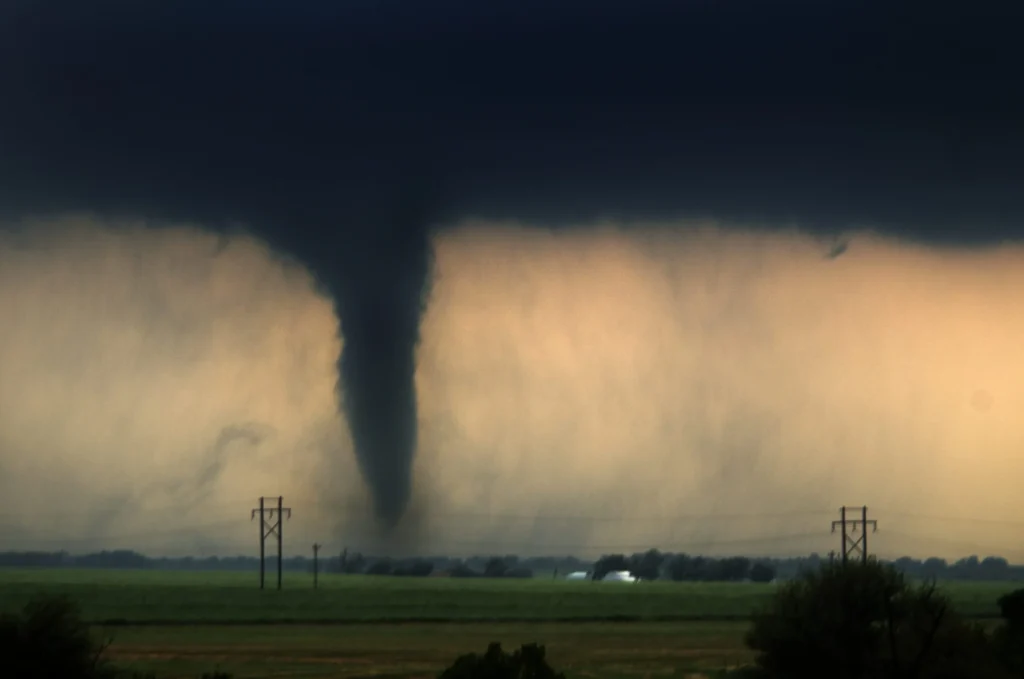
Severe weather events can damage thousands of vehicles in a short period of time, producing a sudden spike in comprehensive claims. Flooding, hailstorms, hurricanes, wildfires, and winter storms all contribute to vehicle losses, often affecting entire regions simultaneously.
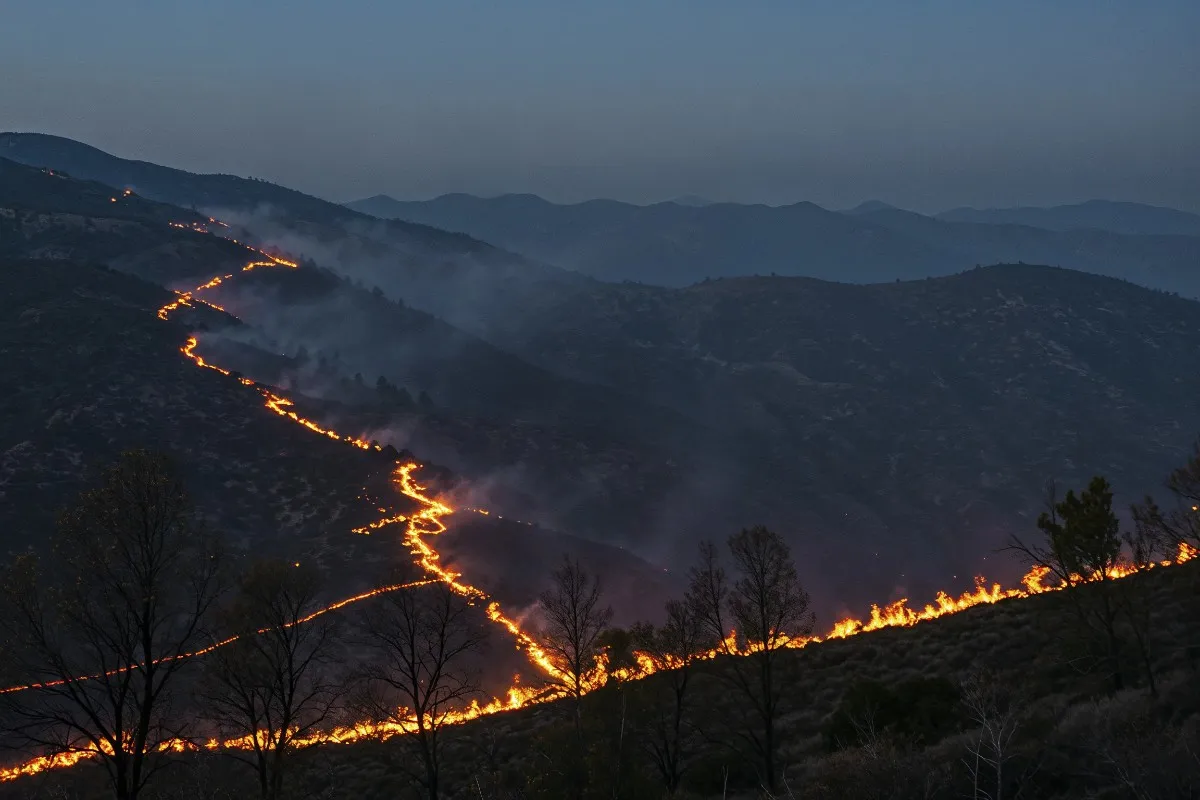
Unlike routine accidents, these events generate claims that are both widespread and expensive. Flood damage can lead to total losses even when vehicles appear intact. Hailstorms frequently damage body panels, glass, sensors, and paint across large vehicle populations. Wildfires and hurricanes can destroy vehicles outright or leave them unusable due to smoke, water, or debris damage.
These losses are particularly challenging because they are highly correlated. Insurers cannot offset them through geographic diversification in the same way they can with everyday collision claims.
Regional Exposure and Claim Concentration
Certain regions are more exposed to climate-driven auto losses than others. Coastal states face repeated hurricane-related vehicle damage. Parts of the Midwest experience frequent hail events. Western states are increasingly affected by wildfires and smoke-related losses, while other areas face flooding from extreme rainfall.
Hail alone accounts for a meaningful share of comprehensive auto claims nationwide, making it one of the most common weather-related sources of vehicle damage. Because comprehensive coverage is optional in many policies, insurers must price carefully to ensure premiums reflect regional exposure without discouraging coverage altogether. As weather events intensify, insurers are adjusting how they model regional risk, often leading to higher premiums in areas with repeated losses.
Make Sure You’re Not Overpaying
Advertiser Disclosure
RoadBuddy is a free resource that helps drivers compare auto insurance options.
We may receive compensation from some insurance companies and partners when you click on links or request a quote through our site. This may affect where offers appear, but it does not influence our reviews, guidance, or editorial decisions.
Our content is researched and written independently to give you clear and unbiased information.
By using RoadBuddy, you acknowledge and accept this disclosure. Learn more.

The Role of Repair Costs and Supply Pressures
Weather-related claims are amplified by rising repair costs. Modern vehicles rely heavily on electronics, sensors, and advanced materials that are expensive to replace and recalibrate. Even relatively minor weather damage can trigger complex repairs, increasing claim severity. Broader economic factors also play a role. When replacement parts become more expensive — whether due to tariffs, supply constraints, or manufacturing costs — insurers face higher claim payouts. These pressures compound the financial impact of weather losses, especially when large volumes of vehicles are affected at once. When loss costs rise faster than premiums, insurers respond by adjusting rates to restore balance.
How Auto Insurance Differs From Home Insurance
While climate change has already caused major disruption in homeowners insurance, the auto insurance market has been slower to react. Vehicles are mobile, losses are typically smaller on a per-claim basis, and insurers can spread risk across larger pools. That said, the growing scale of weather-driven auto losses is narrowing that gap. As events become more frequent, auto insurance is increasingly exposed to the same volatility that has already reshaped property coverage in high-risk areas. Unlike homeowners insurance, auto coverage remains mandatory in most states, limiting insurers’ ability to reduce exposure by withdrawing entirely from certain markets. Pricing adjustments therefore become the primary tool for managing risk.

What This Means Going Forward
Climate-related risk is no longer a peripheral factor in auto insurance pricing. While it may not dominate premiums in the same way as driving behavior or repair costs, it is becoming a persistent input rather than an occasional shock. As insurers refine their models, drivers are likely to see more regional variation in premiums, greater sensitivity to comprehensive coverage losses, and less pricing relief following major weather events. The long-term trajectory of auto insurance rates will increasingly reflect how effectively the industry adapts to a climate environment defined by higher volatility and more frequent large-scale losses. For now, the trend points toward continued upward pressure: not because of any single event, but because climate risk is steadily becoming embedded in the cost of insuring vehicles nationwide.