
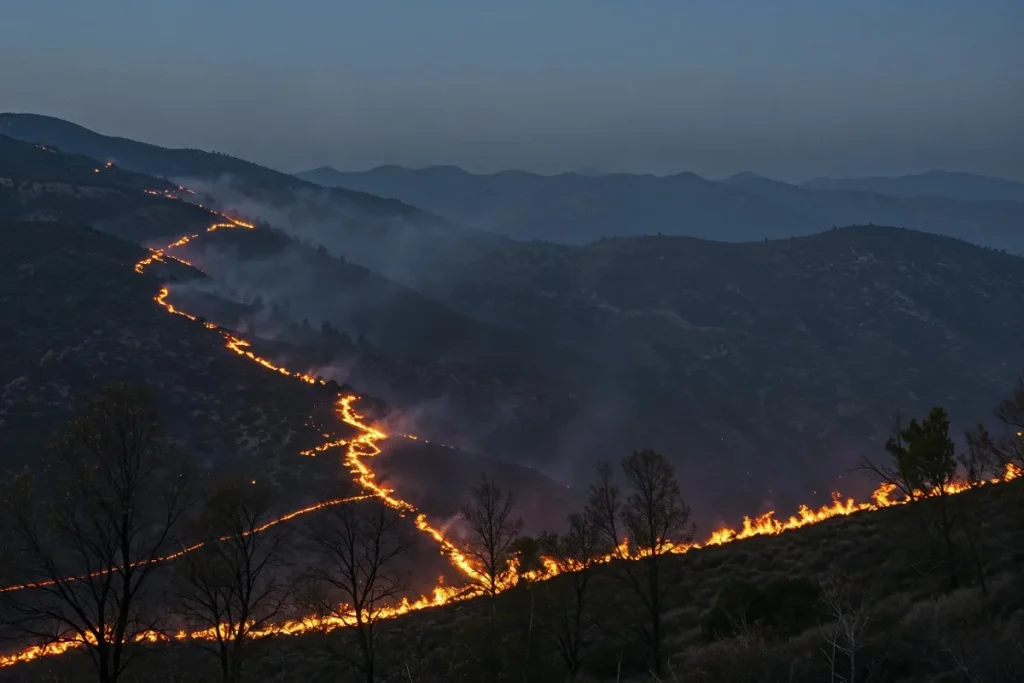
The wildfires that swept through Los Angeles last year did more than cause widespread destruction. They also highlighted the structural issues in the way insurance claims are being handled, particularly in a world where the impact of climate change is becoming more and more pronounced. While the problem facing many policyholders was not necessarily one of being insured or not, it was more about whether the insurance would actually work when it mattered most. Instead of the claims being paid out as expected, the process has been a long-drawn-out affair, with the assessments being re-evaluated time and again. What has been seen is not so much a failure, but a stress on the entire process.
When Coverage Exists but Recovery Stalls
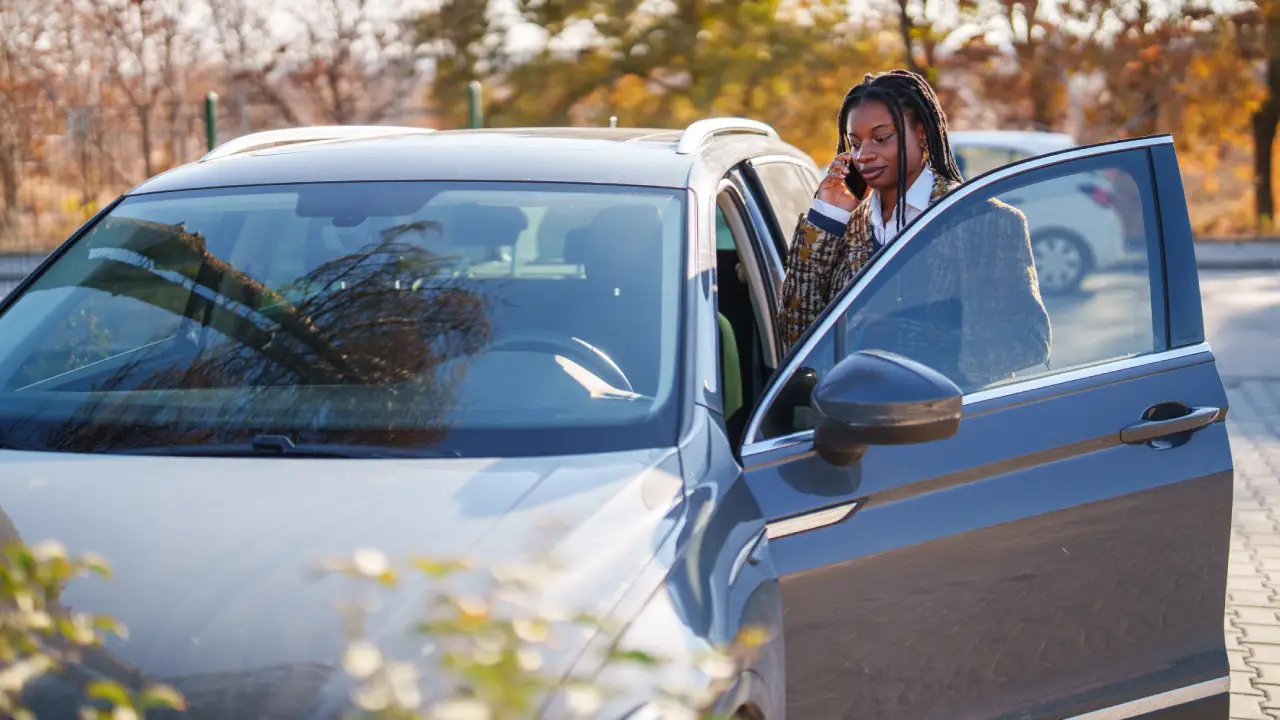
In theory, a total loss makes the claims process easier. In reality, many fire survivors found that this was not the case. Even after the initial emergency claims payments had been made, the process came to a standstill as the insurance companies asked policyholders to list the lost vehicle in detail, sometimes more than once, as the claims were reassigned to new adjusters.
Every time the claims were reassessed, the same questions were raised again. The values were often lower than anticipated, the documentation requirements changed in the middle of the process, and the communication breakdowns increased. This was not only causing financial woes but also leading to exhaustion. The timelines for rebuilding were stalled as the money was stuck in limbo, sometimes in escrow while disputes over costs that were never clearly explained were pending.
This was not an isolated incident. The post-fire surveys and consumer feedback from various affected areas showed a similar trend: inconsistent estimates, prolonged silence, and a sense that only persistence, and not the policy terms, mattered.

Car Insurance Costs and Vehicle Prices in 2026
A Broader Market Under Pressure
What is happening in Los Angeles is part of a larger national phenomenon. Disasters caused by climate change are becoming more common, more extreme, and more costly. Wildfires, floods, hurricanes, and extreme weather events are no longer anomalies in loss modeling; they’re one of the most common reasons for car insurance inflation.
Insurers claim that this new risk landscape has led them to reevaluate pricing, availability, and appetite for these policies. Premiums have increased dramatically, and coverage is becoming less available in high-risk areas. In some cases, insurers have stopped offering new policies altogether. As private options dwindle, more and more people are turning to last-resort government programs that offer less comprehensive coverage.
On the other hand, there is also a growing trend in claims management that is becoming more contentious. As claims escalate, insurers are under pressure to manage these claims. This pressure can take many forms, including increased documentation requirements and longer processing times, especially when entire regions have been impacted at once.
Make Sure You’re Not Overpaying
Advertiser Disclosure
RoadBuddy is a free resource that helps drivers compare auto insurance options.
We may receive compensation from some insurance companies and partners when you click on links or request a quote through our site. This may affect where offers appear, but it does not influence our reviews, guidance, or editorial decisions.
Our content is researched and written independently to give you clear and unbiased information.
By using RoadBuddy, you acknowledge and accept this disclosure. Learn more.

The Disconnect Between Profitability and Policyholder Experience
One of the most controversial topics of the current debate is the difference between the financial results of insurers and those of their customers. At a time when many policyholders are finding it difficult to obtain payments on time, the insurance sector as a whole continues to make large profits, mostly from investment income rather than underwriting results.
This situation has contributed to the current public dissatisfaction. On the one hand, increased premiums and reduced benefits are hard to explain in relation to record profits. On the other hand, underwriting losses and reinsurance expenses are cited as reasons for stricter regulation, even when the overall profitability is high.
Regulation, Enforcement, and the Limits of Oversight
The state regulators are at the center of this balance. They are expected to ensure that the interests of the consumer are protected while at the same time ensuring the stability of the market. This has seen the regulators accused of yielding to the industry’s threats of market withdrawal when approving rate hikes but not acting with the same level of vigor when it comes to the enforcement of the rules on the handling of claims.
There have been instances where investigations by the local or county authorities have seen the handling of claims speed up, with some claims that had been pending for months suddenly gaining momentum as soon as the investigation began. This has raised questions about the effectiveness of the system and whether it is proactive or relies on public pressure.

Insurance in a Warming World
Underlying all of this is an even more difficult reality: climate risk is outpacing traditional insurance models. Catastrophic events are no longer rare events that can be smoothed out over time. Rather, they’re recurring events that stress capital, reinsurance, and regulation all at once. Experts increasingly argue that insurance may not be enough to absorb the cost of climate volatility. In fact, there are limits to how much pricing and coverage actions can address these issues before large segments of the population are left uninsurable.
What the Los Angeles Fires Made Clear
The wake of the Los Angeles wildfires has shown that the insurance crisis is more than just a question of affordability and availability. It is a question of performance. When disaster hits, insurance is supposed to turn financial risk into certainty. Instead, many policyholders found themselves faced with uncertainty upon uncertainty. The question is no longer whether insurance premiums will go up with the increasing threat of climate extremes. The question is whether the insurance system can still keep its promise of providing certainty in the face of disaster when whole communities need it at the same time. Until then, the confidence in the insurance system will be as fragile as the environments it is supposed to protect.