
New car prices in the United States are easing after years of pandemic-driven volatility. Inventory levels have improved, incentives are returning, and price growth has slowed across multiple segments.
At the same time, auto insurance costs are moving in the opposite direction. Premiums are rising fast enough to offset much of the relief buyers see at the dealership, reshaping what “affordable” actually means in today’s car market. This growing gap between purchase prices and ownership costs is becoming one of the most important shifts in the automotive economy.
Vehicle Prices Are Finally Stabilizing
After record highs during the COVID-era supply crunch, vehicle pricing has started to normalize. Semiconductor availability has improved, production schedules have stabilized, and competitive pressure among dealers has increased.
Recent market data shows a clear cooling trend:
- New vehicle prices are slightly lower year over year
- Used vehicle prices have declined after multi-year spikes
- Incentives are increasingly used to stimulate demand
From a transaction standpoint, conditions are materially better than they were just two years ago.
Auto Insurance Costs Are Rising Faster Than Overall Inflation
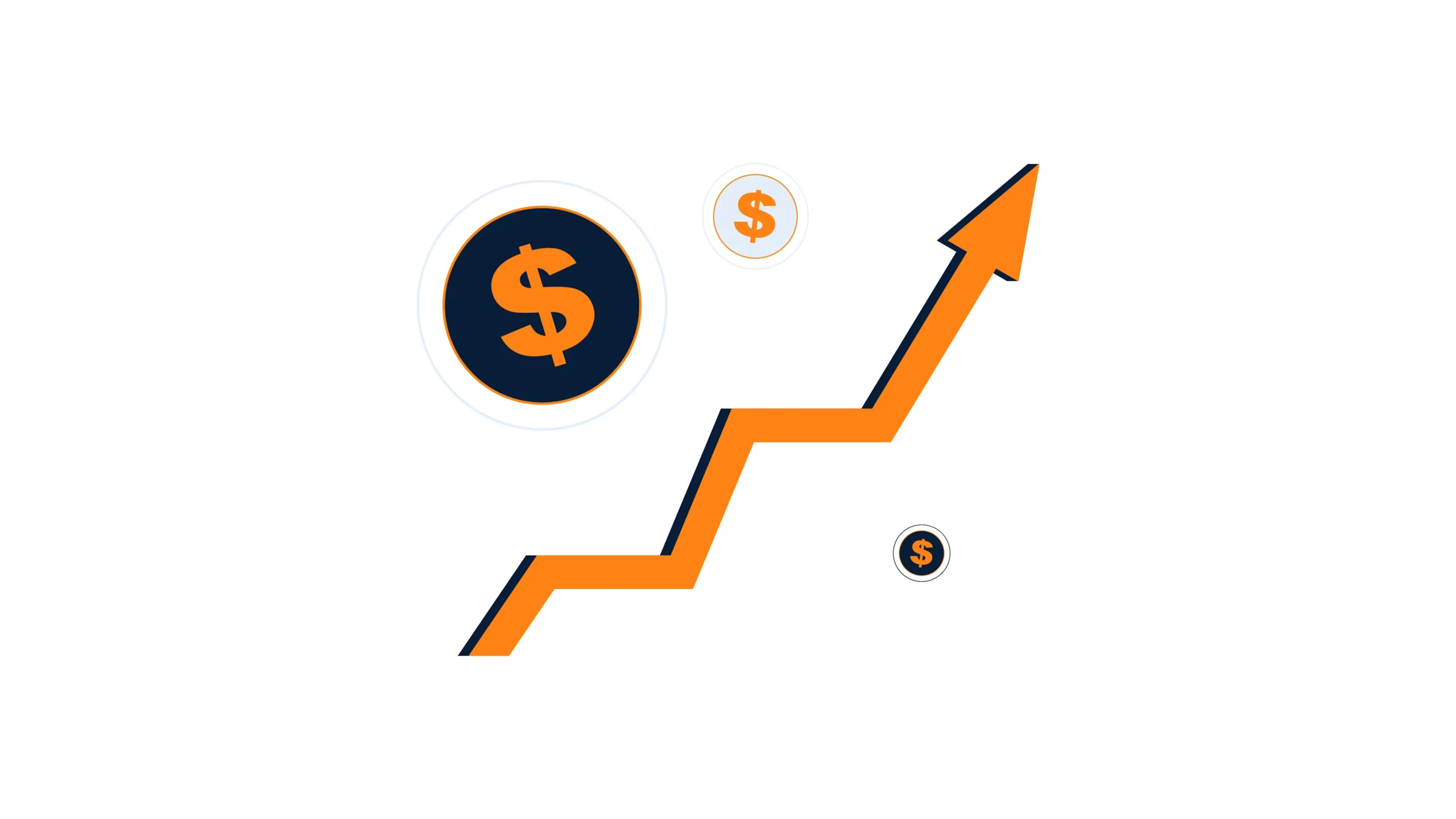
While vehicle prices have softened, insurance costs have accelerated sharply. Auto insurance premiums rose by more than 22% year over year, marking the steepest increase in several decades and significantly outpacing headline inflation. This surge has occurred even as broader price pressures across goods categories have begun to ease.
The scale and persistence of these increases suggest that insurance inflation is being driven by structural forces rather than short-term market adjustments. Unlike vehicle pricing, which responds relatively quickly to changes in inventory levels and demand, insurance pricing reflects longer-term cost dynamics tied to claims severity, repair economics, labor availability, and risk exposure. As a result, insurance has become one of the most inflation-resistant components of consumer spending.
For buyers, the implication is increasingly clear. Lower sticker prices and improved financing terms do not automatically translate into lower monthly ownership costs when insurance premiums continue to rise at this pace. In many cases, insurance is absorbing a growing share of any savings realized at the point of purchase. However, there are legit ways of getting a good deal on car insurance: shopping around, checking quote aggregator website, or manually comparing best deals.
Make Sure You’re Not Overpaying
Advertiser Disclosure
RoadBuddy is a free resource that helps drivers compare auto insurance options.
We may receive compensation from some insurance companies and partners when you click on links or request a quote through our site. This may affect where offers appear, but it does not influence our reviews, guidance, or editorial decisions.
Our content is researched and written independently to give you clear and unbiased information.
By using RoadBuddy, you acknowledge and accept this disclosure. Learn more.

Insurance Has Become a Core Ownership Expense
Insurance was once viewed as a secondary consideration, often overshadowed by fuel costs, depreciation, or loan payments. That balance has shifted materially over the past several years.
According to estimates from Kelley Blue Book, insurance accounted for roughly 16% of the total cost of owning a compact car in 2019. By 2027, that share is approaching 26%. For compact SUVs, insurance now represents close to one-fifth of total ownership costs, reflecting a sustained upward trend rather than a temporary spike.
This shift has altered the structure of vehicle affordability. Insurance is no longer a background expense that fluctuates modestly year to year. It has become one of the largest and fastest-growing components of vehicle ownership, with a growing influence on household transportation budgets and overall cost-of-ownership calculations.
What Is Driving Insurance Inflation
Several long-term forces are pushing insurance costs higher at the same time.
EV and Modern Cars
Modern vehicles are more complex to repair, with advanced driver-assistance systems, sensors, cameras, and software requiring specialized labor and calibration. Repairs that were once cosmetic now often involve electronics and extended labor time. Electric vehicles add additional cost pressure, as battery-related repairs and safety protocols increase both repair duration and expense. At the same time, insurers are declaring total losses more frequently when repair costs exceed economic thresholds.

Labor Shortage and Higher Total-Loss Count
Labor shortages in the automotive repair industry have extended repair timelines, increasing rental car expenses tied to claims. Climate-related losses from hail, flooding, wildfires, and severe storms have also raised aggregate claims nationwide, affecting pricing even outside traditionally high-risk regions. Manufacturing changes compound these issues. Techniques such as large structural castings reduce production costs but can significantly increase repair severity after collisions, further driving claim costs upward.
Why Insurance Inflation Matters Beyond Car Buyers
Auto insurance is classified as a service cost and carries meaningful weight in inflation measurements. For policymakers, including the Federal Reserve, persistent increases in insurance premiums present a particular challenge. Unlike goods prices, which often respond more quickly to changes in supply and demand, insurance pricing reflects longer-term cost pressures tied to claims, repairs, labor, and risk exposure.
Even as vehicle prices, energy costs, and other consumer goods show signs of stabilization, insurance remains resistant to downward pressure. This mismatch complicates efforts to slow overall inflation, as elevated service costs continue to push headline figures higher and limit the pace at which inflation can normalize. This divergence helps explain why inflation has remained elevated despite easing pressure across several major consumer categories.
The Bigger Picture
Vehicle prices are stabilizing, but the economics of ownership are changing. Auto insurance has shifted from a secondary expense to a defining factor in vehicle affordability, influencing how consumers assess budgets, how lenders evaluate risk, and how policymakers interpret transportation-related inflation. As long as repair complexity increases, climate-related losses remain frequent, and labor constraints persist within the automotive repair sector, insurance costs are likely to remain a central pressure point in the U.S. auto market.