
A lot of drivers look at their renewal and assume the increase must be tied to something obvious, like a ticket or an accident. Sometimes that’s the reason. Often it’s not. Auto insurance pricing is a mix of market-level costs and personal-level risk inputs, and the bill you see is the end result of both.
Claims have gotten more expensive in the US. Repairs take longer and cost more. Medical and legal costs are high. Theft and severe weather losses are uneven by region. That pushes pricing upward broadly. Then insurers layer your profile on top of that: where you live, what you drive, how you use the car, and how your policy is built.
A quick reality check on “one mistake” vs “clean record”
Driving record still matters a lot. A single violation or at-fault crash can move you into a higher tier. A DUI is typically the biggest pricing event because insurers treat it as high severity and high recurrence risk. Credit profile also matters in many states, even for drivers with a clean record, because insurers use credit-based insurance scoring where allowed.
Those big levers are why two drivers who look “similar” can end up with very different quotes, and why a driver with no tickets can still feel priced out if their location and credit profile are working against them.
Why Is My Car Insurance So High?
The five buckets that usually explain a high premium
1) Your personal profile
Insurers rate the driver, not just the car. Some of the biggest inputs are age and years of driving experience. Newer drivers pay more because risk is higher and insurers have less history to work with. Rates tend to improve through midlife, and can rise again later depending on the company and the state.
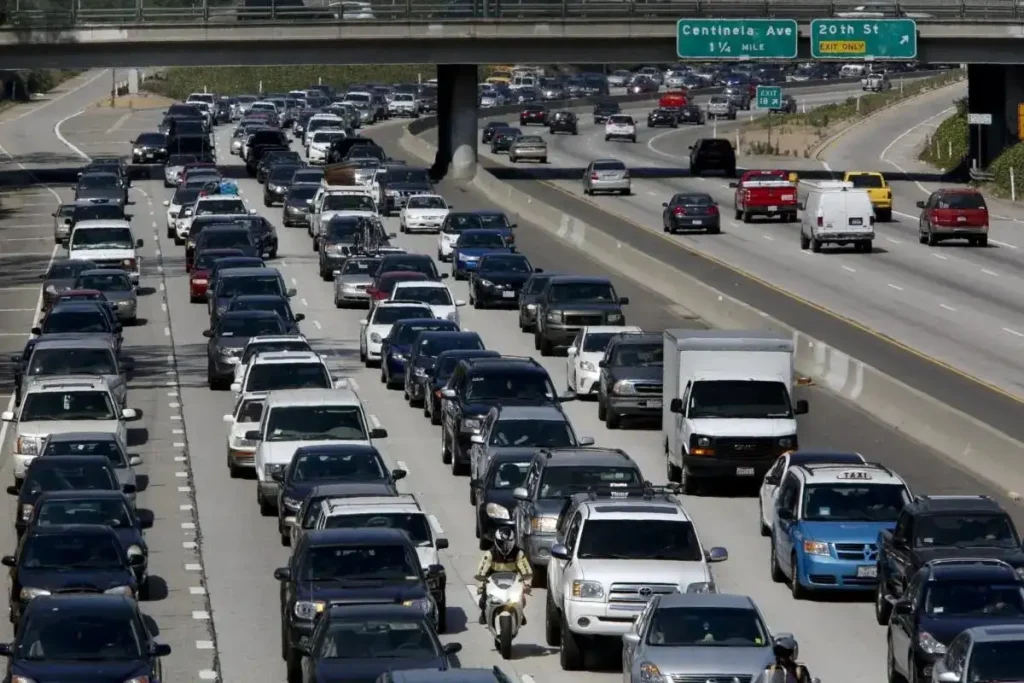
Location is another major pricing driver. Insurers price by ZIP code because claim frequency and claim cost vary widely. Dense traffic, theft, vandalism, and high medical costs can all push rates up. Even within the same city, premiums can swing based on neighborhood-level data.
In many states, credit-based insurance scoring is also a major factor. It can raise premiums sharply even when the driving record is clean. Several states restrict or ban the use of credit for auto insurance pricing, so the impact depends on where you live.
Some carriers also consider household-related variables such as marital status and homeownership, and they may offer pricing advantages for homeowners even without bundling. These practices vary by state regulation and by insurer model.
2) How you actually drive and use the car
Tickets and accidents are straightforward drivers of price. More violations, higher severity violations, and incidents close together tend to price worse than one isolated mistake. A clean record tends to keep you eligible for better tiers and discounts.
Mileage matters more than most drivers realize. More miles means more exposure. If your routine changed because you work from home, changed jobs, moved closer to work, or retired, updating annual mileage can reduce premium with some insurers. Low-mileage programs and pay-per-mile options also exist in some markets, and they can be a better fit for drivers who genuinely drive less.
Where the car is stored can matter too. A vehicle kept in a garage may be rated differently than one parked on the street in a theft-heavy area. Again, the impact varies by carrier.
3) Your vehicle
Insurers price cars based on claim history and repair economics. Some models are expensive to fix. Some are more likely to be stolen. Some have parts that are costly or take longer to source. That can raise premiums even if you’re a safe driver.
Trim level can also change your rate. Higher trims often include more sensors, cameras, premium headlights, and driver assistance systems that increase repair costs after a crash.
Safety features cut risk in some scenarios and raise repair cost in others. Many cars receive safety-related discounts, but the overall effect depends on the insurer’s loss data for that make and model. The same safety tech that prevents a crash can still raise claim severity when it needs recalibration after minor damage.
Make Sure You’re Not Overpaying
Advertiser Disclosure
RoadBuddy is a free resource that helps drivers compare auto insurance options.
We may receive compensation from some insurance companies and partners when you click on links or request a quote through our site. This may affect where offers appear, but it does not influence our reviews, guidance, or editorial decisions.
Our content is researched and written independently to give you clear and unbiased information.
By using RoadBuddy, you acknowledge and accept this disclosure. Learn more.

4) Your insurance choices
Your insurer is a pricing decision. Two carriers can quote the same driver hundreds of dollars apart because they weigh factors differently and have different appetite by region. This is why shopping matters even when nothing about you has changed.
Coverage level is another obvious lever. Higher liability limits and lower deductibles cost more. Collision and comprehensive add cost but protect your car against more types of losses. Optional add-ons like rental reimbursement and roadside assistance increase premium but can reduce disruption after a claim.
Deductibles are one of the few levers you control cleanly. Higher deductibles usually lower the bill, but they increase out-of-pocket cost when you file a claim. The right deductible is one you could pay without turning a repair into a financial emergency.
Coverage lapses can raise prices significantly. A gap in coverage can reduce your options and push you into higher tiers because many insurers treat lapses as a risk signal, even if the reason was simply switching cars or missing a payment.
Discounts are also frequently underused. Many require proof or activation. Good student discounts, defensive driving courses, multi-policy discounts, electronic billing, paid-in-full billing, and low-mileage programs often aren’t applied automatically unless you ask or submit documentation.

5) The broader market
Sometimes your premium is high because your area has become expensive to insure. Claim severity rises when repair costs rise, when rental costs rise because repair times stretch, or when weather and theft losses spike. Insurers also react to higher claim volume and higher injury claim costs by raising rates, even for drivers with clean records.
When you combine market pressure with individual rating variables, you get the kind of renewal increases drivers have been seeing across the US.
How to lower a high premium without damaging your protection
The fastest win for most drivers is shopping quotes with identical coverage. When you compare policies, keep liability limits, deductibles, and key add-ons the same. Otherwise, the cheapest quote is often cheaper because it covers less.
Next, audit your policy details. Make sure mileage, garaging address, and driver assignments match reality. Households often overpay because a policy still reflects an old commute, an old parking situation, or an outdated driver setup.
After that, consider deductible changes if you have savings to support the higher out-of-pocket amount. A deductible change can lower premium without reducing liability protection.
Finally, run a discount review with your insurer. Ask what discounts you qualify for and what proof is required. Many savings are real, but only if they are actually applied.