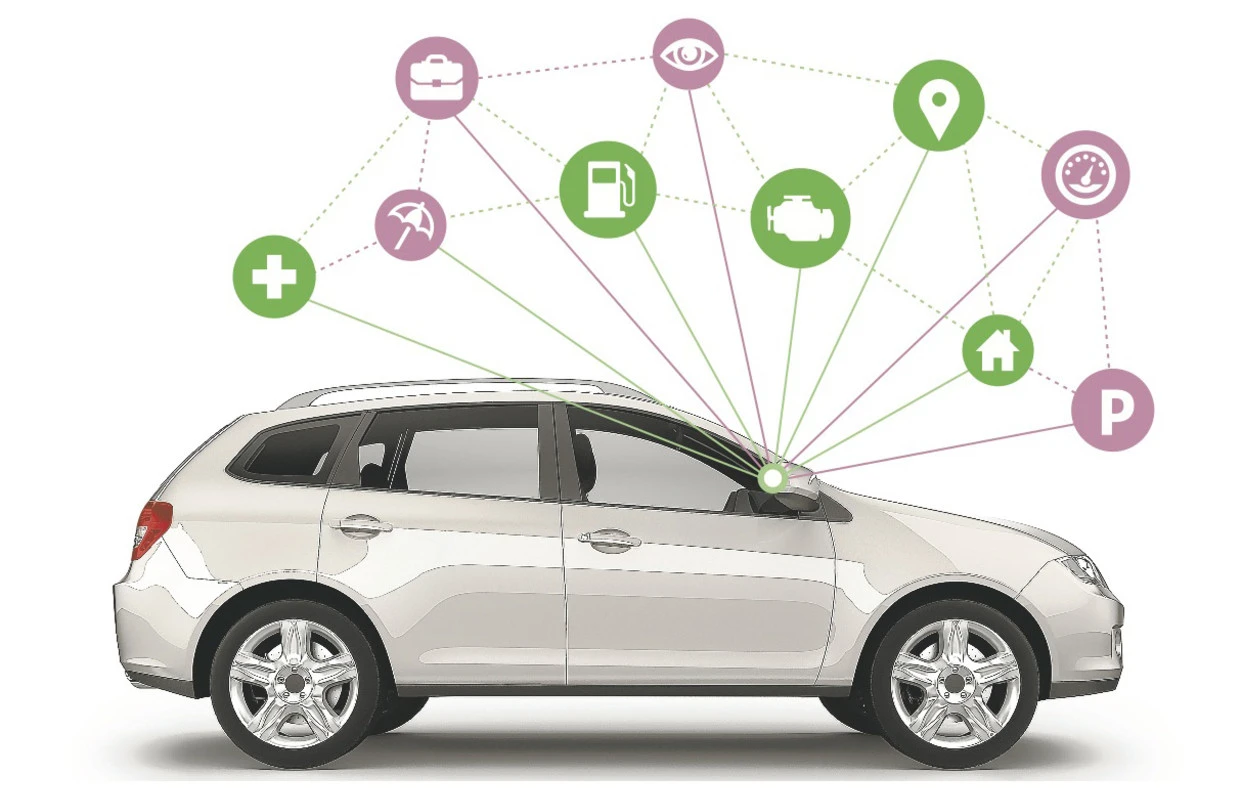


Stock photo for illustration purposes only.
Insurance automation just got a major boost as Prestige Trucking Insurance brings an AI insurance platform in-house after seeing firsthand how it transformed their daily operations. The Florida-based brokerage acquired Mulligan, an artificial intelligence system that handles quoting and policy comparisons automatically, then rebranded it as Insure Stack for broader distribution to other brokers.
From User to Owner: How AI Proved Its Worth
Prestige didn’t stumble into this acquisition by accident. They’d been using Mulligan’s technology for months, watching it streamline tasks that used to eat up hours of agent time. The platform automated quote generation, policy comparisons, and even commission reconciliation — the kind of behind-the-scenes work that drivers never see but directly impacts how quickly they get coverage.
Christina Torres will lead Insure Stack as CEO, with the original Mulligan development team joining the effort. That’s significant because it keeps the technical expertise that built the system in the first place. According to industry data, insurance companies using AI automation see processing times drop by up to 60% compared to manual workflows.
Make Sure You’re Not Overpaying
Advertiser Disclosure
RoadBuddy is a free resource that helps drivers compare auto insurance options.
We may receive compensation from some insurance companies and partners when you click on links or request a quote through our site. This may affect where offers appear, but it does not influence our reviews, guidance, or editorial decisions.
Our content is researched and written independently to give you clear and unbiased information.
By using RoadBuddy, you acknowledge and accept this disclosure. Learn more.
What This Means for Drivers Shopping for Coverage
Here’s where it gets interesting for anyone buying auto insurance or comprehensive coverage. When brokers can generate quotes faster and compare policies more accurately, that efficiency typically flows down to customers. You might notice quicker turnaround times when requesting quotes or switching policies.
The technology handles the tedious comparison work that agents used to do manually — cross-referencing coverage limits, deductibles, and pricing across multiple carriers. Which means fewer errors and more precise matches between what you need and what’s available.
But there’s a flip side. As more insurers adopt AI systems, the human touch in insurance guidance might become less common. Some drivers prefer talking through coverage options with a real person, especially when dealing with complex situations like high-risk drivers needing SR-22 filings or pay-per-mile insurance evaluations.
The Broader Insurtech Trend
Prestige’s move reflects what’s happening across the insurance industry. Companies are either building AI capabilities internally or acquiring them outright rather than relying on third-party vendors. This acquisition-to-internalization pattern has accelerated since 2023, as insurers realize that automation isn’t just about cutting costs — it’s about staying competitive.
Prestige was named one of the best agencies to work for in the Southeast last year, which suggests they’re thinking strategically about both technology and talent retention. Smart companies know that AI should enhance human expertise, not replace it entirely.
What Drivers Should Do Now
Don’t expect immediate changes to your current policy or renewal process. These backend improvements typically take months to fully implement and show up in customer-facing services.
However, if you’re shopping for new coverage, ask your agent about their quote generation process. Brokers using automated systems can often provide more comprehensive comparisons in less time.
Consider this a good time to review your current auto insurance setup. As the industry becomes more efficient, you’ll have better tools to compare options — but only if you’re actively looking.
Keep an eye on how quickly your current insurer handles service requests. Companies investing in automation should be getting faster at routine tasks like policy changes or claim status updates.
The insurance industry’s tech evolution continues picking up speed, and that ultimately benefits drivers who stay informed about their options.