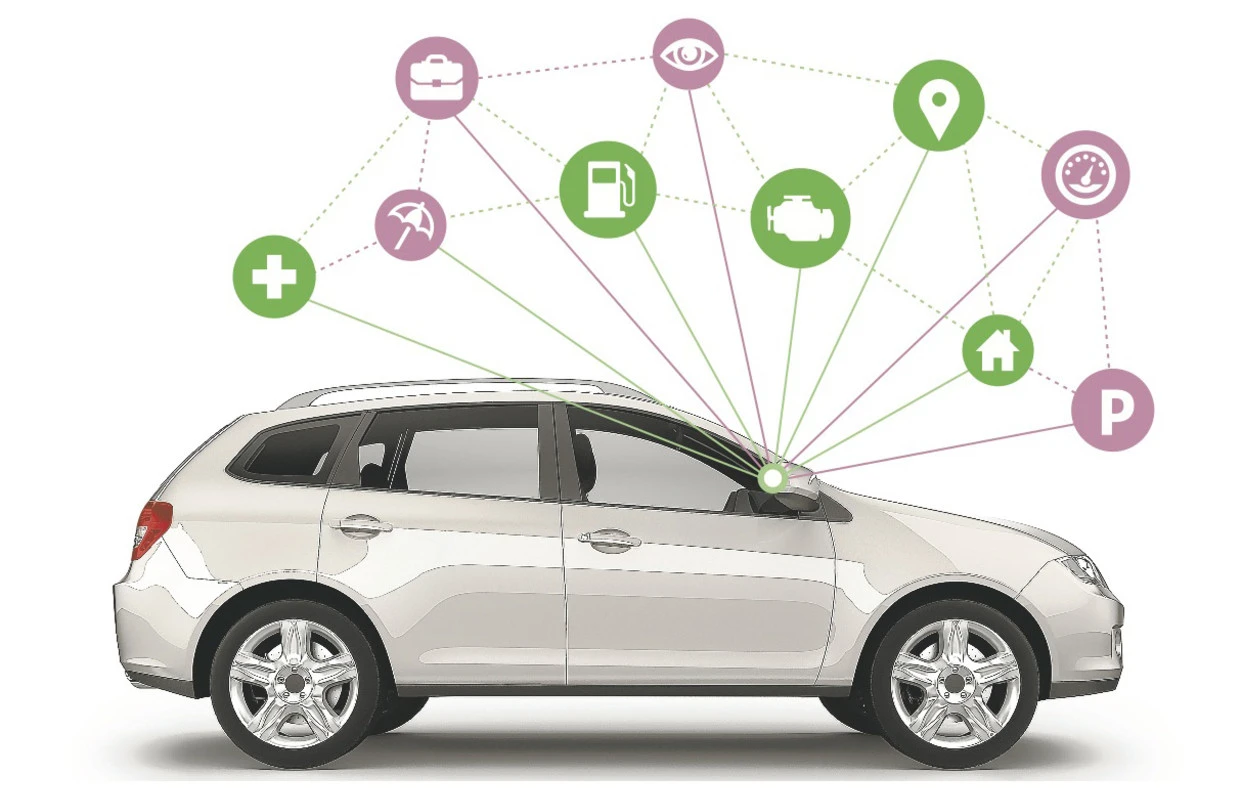


Stock photo for illustration purposes only.
A major investment in AI insurance technology could reshape how drivers shop for and manage their auto coverage. Insurance platform Corgi announced it secured $106 million in funding, pushing the company’s valuation to $2.6 billion and signaling serious investor confidence in artificial intelligence’s role in modernizing insurance.
Tech Giants Double Down on Insurance Innovation
Investment firm TCV led the funding round, joining a growing list of major investors betting on AI-driven insurance solutions. The startup focuses on using machine learning to streamline everything from risk assessment to claims processing.
This isn’t just venture capital hype. Insurance companies processed over 13 million auto insurance claims in 2023, and traditional methods often leave drivers waiting weeks for resolution. AI platforms like Corgi promise to cut that timeline dramatically while potentially reducing costs across the board.
The funding reflects broader trends in financial technology, where artificial intelligence is being deployed to tackle long-standing inefficiencies that have frustrated consumers for decades.
Make Sure You’re Not Overpaying
Advertiser Disclosure
RoadBuddy is a free resource that helps drivers compare auto insurance options.
We may receive compensation from some insurance companies and partners when you click on links or request a quote through our site. This may affect where offers appear, but it does not influence our reviews, guidance, or editorial decisions.
Our content is researched and written independently to give you clear and unbiased information.
By using RoadBuddy, you acknowledge and accept this disclosure. Learn more.

What This Means for Your Auto Insurance
AI insurance technology could fundamentally change how drivers interact with their coverage. Instead of filling out lengthy forms and waiting for human underwriters to review applications, machine learning algorithms can assess risk and provide quotes in minutes.
For comprehensive coverage shoppers, this technology might mean more personalized pricing based on actual driving behavior rather than broad demographic categories. Telematics data combined with AI analysis could reward safe drivers with lower premiums more accurately than current methods.
Claims processing stands to benefit significantly. Rather than calling customer service and explaining accident details multiple times, drivers might upload photos and receive claim approvals through automated systems that can assess damage instantly.
Insurance Industry Embraces Digital Transformation
Major insurers like Allstate have already started incorporating AI into their operations, but dedicated tech companies like Corgi are pushing the envelope further. Traditional carriers often struggle with legacy systems that weren’t designed for modern data processing capabilities.
This creates opportunities for nimble startups to build insurance platforms from the ground up with AI at their core. The $106 million investment suggests institutional investors believe these new approaches will eventually capture significant market share from established players.
What Drivers Should Do Now
Start paying attention to which insurance companies are adopting AI-powered features in their apps and websites. Early adopters often offer better digital experiences and faster service resolution. When shopping for cheap car insurance, ask potential providers about their digital claims process and mobile app capabilities.
Consider enabling telematics programs if your insurer offers them. As AI becomes more sophisticated, safe driving data could translate into bigger discounts for responsible drivers. Document your current insurance experience – response times, claim processing speed, customer service quality – so you can compare when AI-enhanced options become available.
Keep your driving record clean and maintain good credit, as AI systems will likely become even better at identifying low-risk drivers who deserve premium discounts. The technology could make insurance pricing more precise, which generally benefits safer drivers.
The insurance industry is clearly moving toward AI-driven solutions, and drivers who understand these changes early will be better positioned to take advantage of improved service and potentially lower rates.