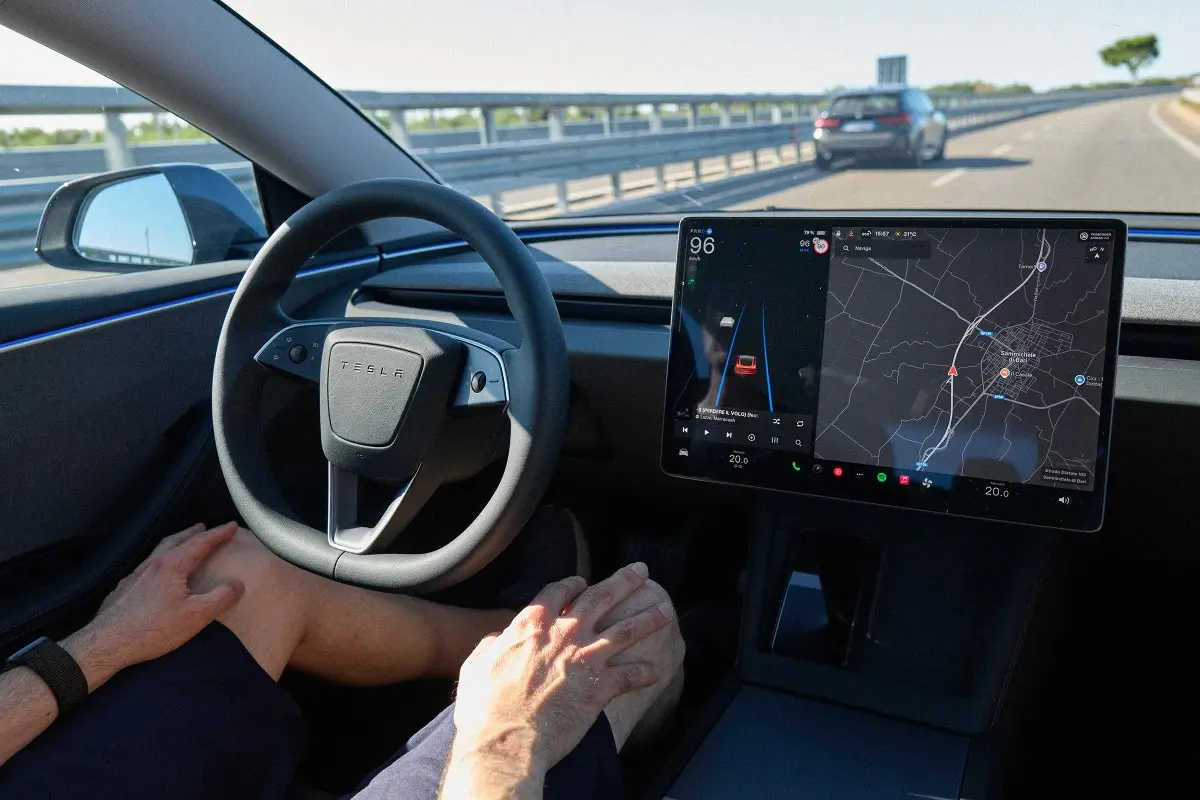


Stock photo for illustration purposes only.
Your car insurance company is probably using AI right now – but not in the way you might think. A new industry survey reveals that while nearly 60% of insurers expect artificial intelligence to dramatically reshape their business within the next three years, only one in five has actually reached an advanced stage of AI implementation.
The Reality Check: Most Insurers Are Playing It Safe
The AM Best survey of 150 insurance carriers paints a picture of an industry caught between ambition and execution. More than half of insurers describe themselves as “cautious pacesetters” rather than early adopters – a approach that makes sense for companies responsible for millions of drivers’ financial protection.
Which explains why your claims experience might feel inconsistent. Some insurers are using AI to process simple fender-bender claims in minutes, while others still require multiple phone calls and paper forms. The technology exists, but rolling it out safely across legacy systems takes time.
According to industry data, the average auto insurance claim takes 7-10 days to process. AI-enabled insurers are cutting that to 2-3 days for straightforward cases.
Make Sure You’re Not Overpaying
Advertiser Disclosure
RoadBuddy is a free resource that helps drivers compare auto insurance options.
We may receive compensation from some insurance companies and partners when you click on links or request a quote through our site. This may affect where offers appear, but it does not influence our reviews, guidance, or editorial decisions.
Our content is researched and written independently to give you clear and unbiased information.
By using RoadBuddy, you acknowledge and accept this disclosure. Learn more.

What This Means for Your Premiums and Claims
Here’s where it gets interesting for drivers. AI is already working behind the scenes in underwriting – the process that determines your car insurance rates. Machine learning algorithms can analyze thousands of data points about your driving history, vehicle type, and location to price your policy more accurately than traditional methods.
For claims, AI is streamlining everything from damage assessment through photos to fraud detection. That means faster payouts for legitimate claims and potentially lower premiums as insurers reduce administrative costs. Early adopters report 10-15% improvements in operational efficiency.
But there’s a catch. The survey found that 45% of insurers struggle with “data readiness” – basically, their information systems aren’t clean enough to feed reliable data to AI systems. That’s why you might still get wildly different quotes from different insurers for the same coverage.
The Security Question Nobody’s Talking About
Here’s something that should concern every driver: while 68% of insurers rely on third-party AI vendors, only 18% consider vendor risk management a major challenge. That’s a significant blind spot in an industry handling sensitive personal and financial data.
Most insurers are focusing on internal security and privacy concerns – legitimate worries given the amount of personal data they collect. But the real question is whether they’re properly vetting the AI tools their vendors are using to process your claims and set your rates.
What Drivers Should Do Now
Shop around more frequently. As insurers adopt AI at different speeds, rate disparities are growing. The company that gave you the best rate two years ago might not be competitive today if they’re slower to implement cost-saving technology.
Ask specific questions about claims processing when shopping for coverage. Insurers using AI for claims typically offer mobile apps that let you submit photos and get estimates instantly – a good indicator of their tech sophistication.
Consider usage-based insurance programs if you’re a safe driver. These telematics programs generate the clean, real-time data that AI systems work best with, often resulting in significant discounts.
Document everything digitally. Take photos of your vehicle from multiple angles after any incident. AI-enabled claims systems can often provide preliminary damage assessments from photos alone, speeding up your payout.
Review your coverage annually. As AI reduces administrative costs, competitive insurers are passing those savings to customers through lower premiums or enhanced coverage options.
The insurance industry’s cautious approach to AI means changes will be gradual, but the companies that get it right will likely offer better service and more competitive rates. The question is which insurers will figure it out first.