
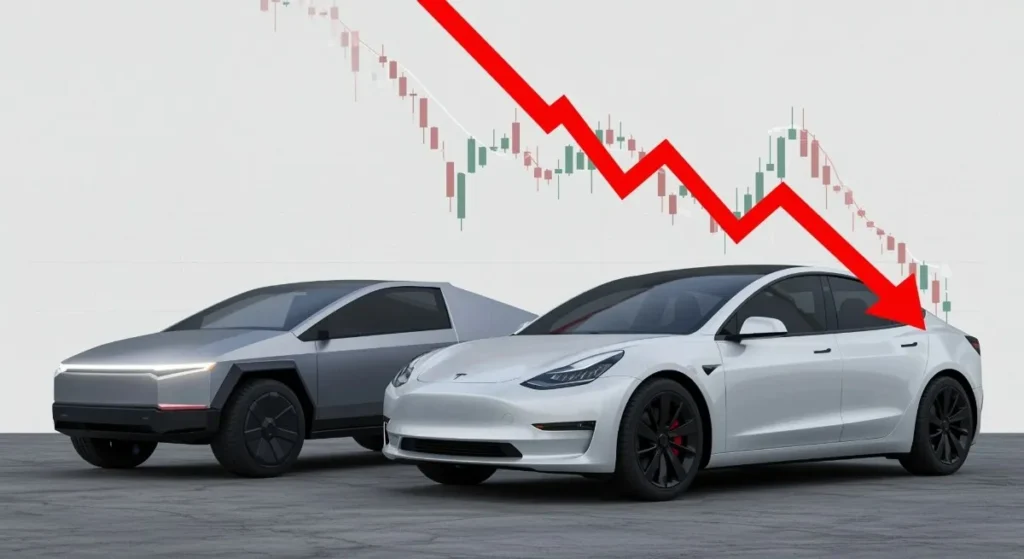
A new spate of vandalism against Tesla automobiles is now starting to manifest a series of secondary effects that are not necessarily related to repair costs or law enforcement. Experts are now indicating that the cumulative effect of repeated instances of damage could have a direct impact on the cost of insurance for Tesla owners. There have been a series of instances where Tesla automobiles have been spray painted, had windows smashed, set on fire, or otherwise damaged while parked in various locations. In some cases, the damage seems random; in other instances, a pattern is emerging.
How Targeted Losses Affect Premiums
Insurance pricing is a forward-looking activity. Hence, if the claim data shows that a particular type of vehicle is more likely to suffer non-random damage, the premium can be raised. The risk is particularly high in the case of Tesla owners, considering the fact that this vehicle is reported to be the most expensive to insure. Even minor cases of vandalism can result in high claim costs, especially when cameras, glasses, and bodies are involved. If vandalism continues at scale, insurers may respond in several ways:
- Increasing comprehensive premiums for affected models
- Raising deductibles for vandalism-related claims
- Tightening underwriting in specific ZIP codes
- Requiring additional documentation or proof of secure parking
These adjustments would not be unique to Tesla, but the visibility of the incidents accelerates insurer response.

Digital-First Claims Experience
Claim History Still Matters at the Individual Level
In the case of individual policyholders, making a single vandalism claim is not likely to affect insurance premiums. However, making multiple claims, even if they are all comprehensive and not the fault of the policyholder, can have a bearing on the outcome. This is particularly relevant in urban areas where the apparent clustering of vandalism incidents suggests a higher underlying level of risk. Insurers will already be factoring this into their calculations.
Coverage Gaps and Policy Surprises
Another problem that is being created as a result of the rise in vandalism is the misunderstanding of the coverage. Some car owners think that all the damages sustained as a result of vandalism are completely covered. However, this is not the case. Increased deductibles can lead to substantial savings. Some aftermarket modifications, such as cosmetic improvements, might not be completely covered. The limits of the rental car coverage can be quickly exhausted, especially when the repair process is lengthy, such as when there is a parts supply issue. Owners of liability-only policies are not covered at all in the event of vandalism.
Make Sure You’re Not Overpaying
Advertiser Disclosure
RoadBuddy is a free resource that helps drivers compare auto insurance options.
We may receive compensation from some insurance companies and partners when you click on links or request a quote through our site. This may affect where offers appear, but it does not influence our reviews, guidance, or editorial decisions.
Our content is researched and written independently to give you clear and unbiased information.
By using RoadBuddy, you acknowledge and accept this disclosure. Learn more.

What Tesla Owners Should Review Now
Insurance specialists recommend that Tesla owners proactively review their policies rather than waiting for renewal notices. Key items to check include:
- Comprehensive coverage limits and deductibles
- Rental reimbursement caps
- Coverage for glass, cameras, and sensors
- Any exclusions related to vandalism or fire
- Parking location disclosures tied to underwriting
In areas experiencing repeated incidents, insurers may also ask about garaging practices, security measures, or overnight parking locations at renewal.
A Broader Signal for the EV Insurance Market
The spate of vandalism cases underscores an important general truth about car insurance and the automatization tendencies. The risk assessment is no longer based on individual drivers. Vehicle type, public perception, and external social factors are playing an ever-increasing role. Electric vehicles have already found themselves at the crossroads of higher repair costs and changing risk assumptions. When external factors come into play, insurers respond quickly to defend their loss ratios. The concern for Tesla owners is no longer just making repairs on damaged vehicles. It is how sustained exposure to non-random events may change the cost and availability of insurance going forward. As insurers begin to process the data from this period, the impact will likely be felt quietly at renewal time.