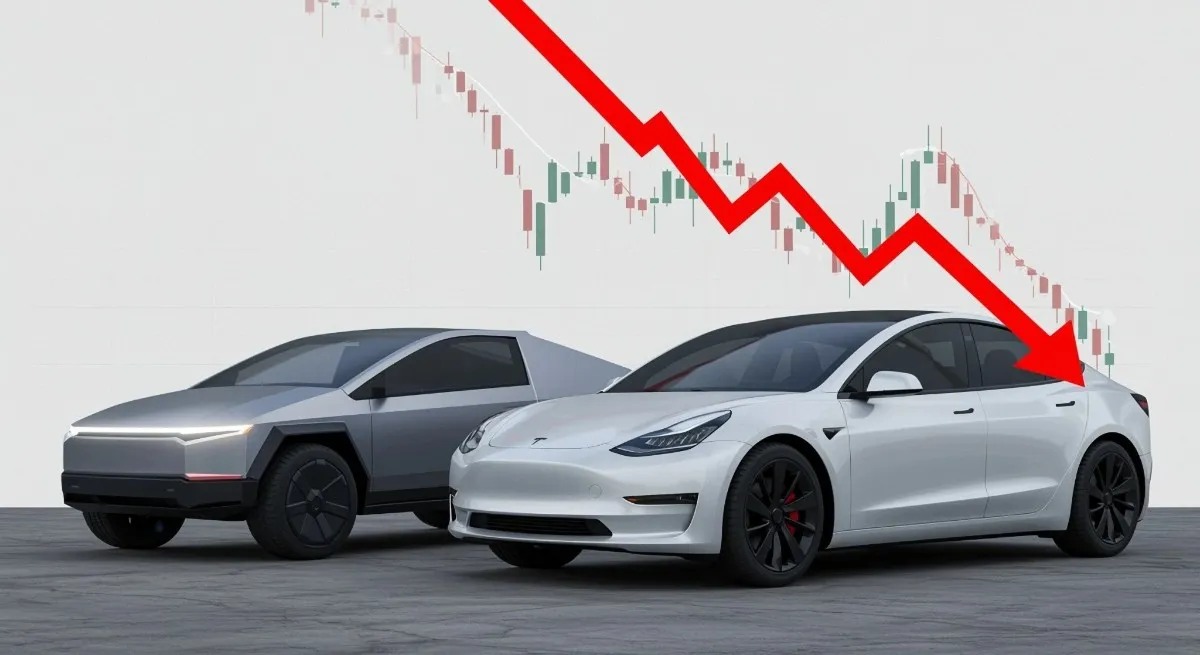


Stock photo for illustration purposes only.
The shift toward electric vehicles is happening faster than many predicted, and that’s starting to reshape auto insurance costs in ways most drivers don’t see coming. A new analysis from UK-based Legal & General reveals that clean energy adoption and EV growth are outpacing industry forecasts — which means Allstate, Progressive, and other major insurers are scrambling to adjust their pricing models.
Why the Energy Transition Matters for Your Insurance
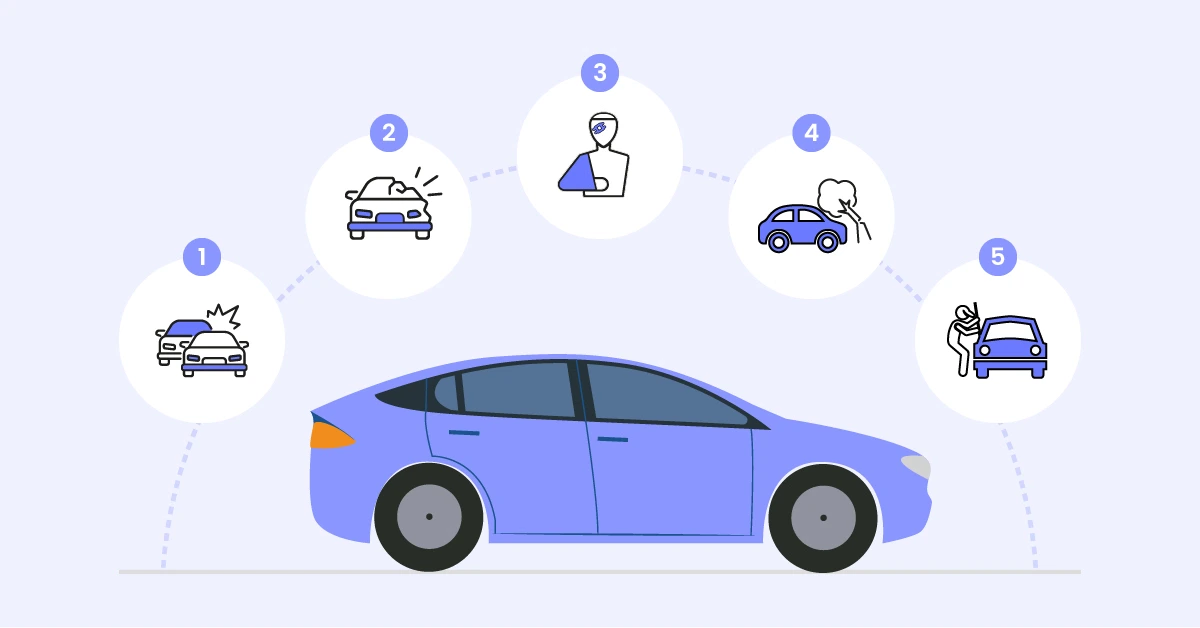
Electric vehicle adoption has surged beyond what insurance actuaries built into their rate calculations just two years ago. Legal & General’s updated climate modeling shows EVs are hitting the market faster than their previous “aggressive” scenarios projected. That’s a big deal for auto insurance because EVs cost more to repair, require specialized technicians, and have different accident patterns than gas-powered cars.
The insurance industry typically prices policies based on five-year loss projections. But when the vehicle mix shifts this quickly, those assumptions get thrown out the window. State Farm reported last quarter that EV claims average 20% higher than comparable gas vehicles, largely due to parts availability and repair complexity.
Here’s what’s really interesting: Legal & General’s analysis now shows global emissions peaking before 2030 for the first time in their modeling history. That suggests we’re hitting a tipping point where clean technology becomes the default choice, not the premium option.
Make Sure You’re Not Overpaying
Advertiser Disclosure
RoadBuddy is a free resource that helps drivers compare auto insurance options.
We may receive compensation from some insurance companies and partners when you click on links or request a quote through our site. This may affect where offers appear, but it does not influence our reviews, guidance, or editorial decisions.
Our content is researched and written independently to give you clear and unbiased information.
By using RoadBuddy, you acknowledge and accept this disclosure. Learn more.

What This Means for Your Coverage
If you’re shopping for auto insurance or considering an EV, this transition affects you in three ways. First, comprehensive coverage for electric vehicles often costs 15-25% more than gas cars in the same class. Second, usage-based insurance programs are getting more sophisticated as insurers track driving patterns that correlate with vehicle type and energy source.
Most drivers don’t realize that where you charge matters for your insurance deductible calculations. Home charging creates different liability scenarios than public charging stations, and some insurers are starting to factor that into their risk models.
The rapid pace of change also means insurers are being more conservative with their projections. When technology shifts this fast, they’d rather overprice initially than get caught with massive losses later.
Broader Insurance Industry Shifts
This isn’t just about EVs. The energy transition is reshaping how insurers think about long-term risk across all vehicle types. Climate-related weather events are increasing, which affects claim frequencies in ways that traditional models didn’t account for.
Legal & General specifically called out “short-term investing bias” as a problem in the insurance sector. Many companies focus on annual results instead of decade-long trends, which can lead to mispricing when fundamental shifts happen this quickly.
What Drivers Should Do Now
Shop around more frequently than you used to. The rapid changes mean rate differences between insurers are wider than normal, especially for hybrid and electric vehicles. Get quotes from at least three companies if you drive an EV or plug-in hybrid.
Review your coverage limits annually. As repair costs climb for both gas and electric vehicles, your liability and comprehensive limits from five years ago might not be adequate today.
Consider usage-based insurance if you drive less than 10,000 miles per year. These programs often offer better rates for EV drivers who charge at home and have predictable driving patterns.
Ask about EV-specific discounts when getting quotes. Some insurers offer reductions for home charging equipment or bundling with green energy plans.
Keep detailed records if you switch from gas to electric. Some insurers offer loyalty credits for customers who upgrade to cleaner vehicles within their existing policy.
The energy transition isn’t slowing down — it’s accelerating. That means auto insurance costs will keep shifting as insurers adapt to new realities about vehicle technology and repair costs.