
Driving in the US feels different than it did even five years ago. Part of that is traffic returning to heavier volumes, especially during summer travel. The bigger change is what vehicles now do by default. Cars have become connected platforms with cameras, radar, software updates, and driver-assistance systems that influence how people drive and how crashes are handled afterward.
This shift isn’t only about convenience features on the dashboard. It’s changing accident prevention, emergency response, insurance claims, and collision repair. In many cases, the “post-crash” process now starts in the seconds after impact, long before anyone calls an insurer.
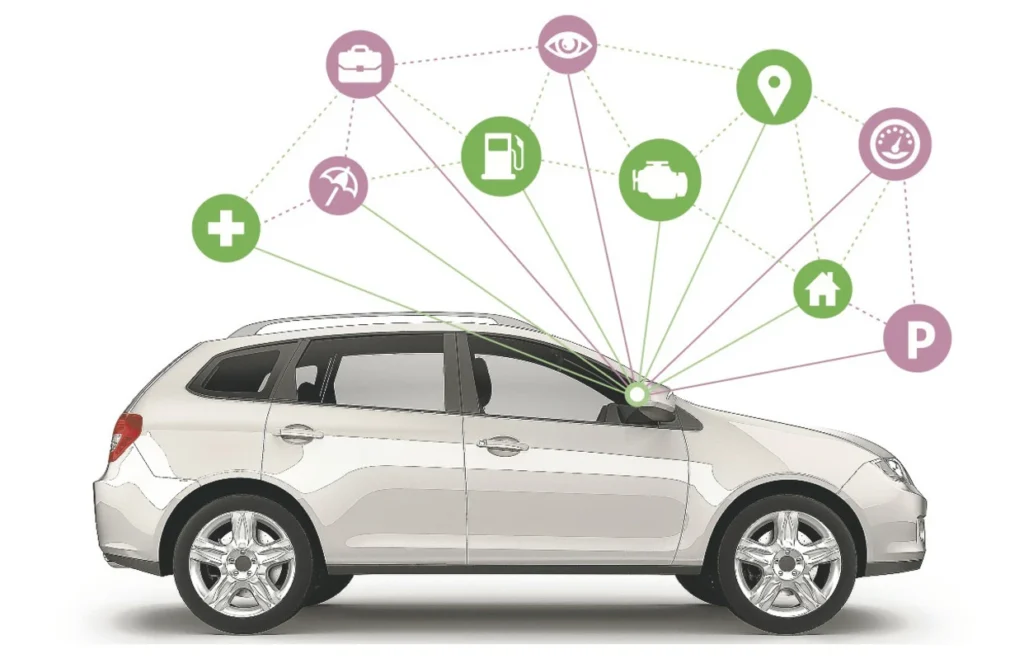
Your Car Is Secretly Selling Your Driving Data
Cars are becoming software-heavy systems
Most new vehicles sold in the US now include some form of advanced driver assistance, and those systems keep expanding. Automatic Emergency Braking, lane keeping support, blind spot alerts, and adaptive cruise control are increasingly common. The intent is straightforward: reduce crash frequency and reduce severity when crashes do happen, especially in congested driving where low-speed impacts are common.
At the same time, driver behavior complicates outcomes. Some drivers overestimate what these systems can do and treat them like full autonomy. Others disable features because they find them annoying or distracting. The result is mixed: the technology can prevent certain types of crashes, while creating new failure modes when drivers misunderstand the limits.
Safer tech often leads to more complicated repairs
Even when a crash is minor, the repair can be complex. A small front-end impact can affect sensors used for driver-assistance features. A cracked bumper cover can involve radar mounting points. A windshield replacement can require camera recalibration. These steps exist for safety reasons, but they add labor time, specialized equipment, and procedural requirements.
This complexity is one of the quiet reasons auto insurance has been under pressure. Modern claims are not just “replace the part.” They often include scanning, calibration, and verification to restore systems to pre-loss condition. Repair networks also face a training problem: fewer technicians are fully comfortable with high-tech diagnostics, EV systems, and calibration work, which can slow cycle time.
Make Sure You’re Not Overpaying
Advertiser Disclosure
RoadBuddy is a free resource that helps drivers compare auto insurance options.
We may receive compensation from some insurance companies and partners when you click on links or request a quote through our site. This may affect where offers appear, but it does not influence our reviews, guidance, or editorial decisions.
Our content is researched and written independently to give you clear and unbiased information.
By using RoadBuddy, you acknowledge and accept this disclosure. Learn more.
Accident response is becoming more connected and more automated
When a crash happens, a growing number of vehicles and apps can trigger a chain of actions that used to rely on phone calls and paperwork. Depending on the vehicle and insurer, parts of the following can happen quickly:
- Crash detection alerts, sometimes routed to emergency services
- Roadside assistance or towing dispatch initiated through an app
- Digital first notice of loss initiated from a smartphone
- Photo-based claim submission with guided capture
- Repair appointment scheduling through connected shop networks
- Parts ordering workflows that start earlier in the process
- Digital payments for approved claims, sometimes faster than traditional checks
Not every driver experiences this end-to-end flow, and not every carrier has the same capabilities. The direction is clear: insurers and repair partners are trying to reduce delays and reduce handoffs that create friction.
How AI is changing insurance claims and repair decisions
AI is being used most heavily in the parts of the claims process that are repetitive and time-sensitive. Photo-based estimating is a good example. Drivers submit images, AI helps identify visible damage, suggests repair operations, and produces an initial estimate for review. This can shorten the time between a crash and an initial decision, especially for straightforward losses.
AI is also being used behind the scenes for triage. Some claims can be routed into a fast lane. Others are flagged for deeper review based on severity indicators, complexity, injury potential, or inconsistencies that suggest the need for more documentation. Insurers frame this as efficiency and accuracy. From a driver’s perspective, it can feel like speed when things go smoothly and like extra scrutiny when they do not.
Repair coordination is also becoming more automated. Connected shop networks, parts availability tools, and scheduling integrations can reduce downtime. Even small improvements here matter, because longer repair cycle times often mean longer rental periods, and rental cost is a major claim expense.
The tradeoff: better workflows, higher system costs
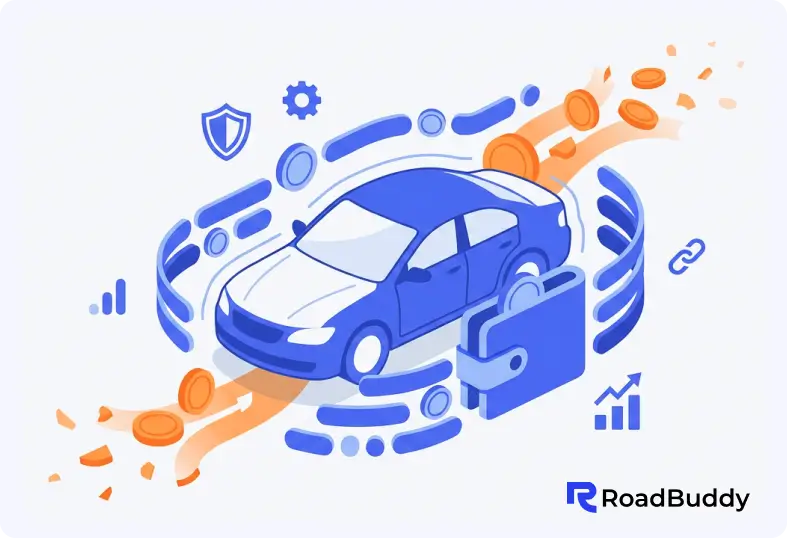
There is a real tension in this transition. The industry wants faster claims and smoother repairs. That often requires more technology, more training, and more specialization. Those inputs have costs, and those costs show up somewhere in the system, including premiums.
Affordability is becoming a cross-sector challenge. Insurers need claim costs to stay manageable. Repairers need trained staff and tooling. Automakers push innovation and software-driven systems, which can improve safety and performance. Drivers want advanced features and fast claims, but also want lower bills. Those goals do not always align.
Where this is heading
Over the next few years, the US driving experience will likely continue to split in two directions at the same time. Cars will become better at preventing certain crashes through automation and driver assistance. Claims and repairs will become more digitally coordinated, which can reduce delays and improve transparency.
The harder part will be keeping the system efficient without making it unaffordable. That depends on repairability, parts availability, technician training, and careful use of AI in claims decisions. It also depends on trust. Drivers will tolerate more automation when they feel it is transparent, consistent, and fair, especially when a claim is on the line.