

Stock photo for illustration purposes only.
Your car might know about memory problems before you do. Researchers have developed technology that uses everyday driving patterns to detect cognitive decline driving issues months or even years before symptoms become obvious to drivers or their families.
The Hidden Warning Signs in Your Daily Commute
Most drivers think they’ll recognize when it’s time to hang up the keys. But cognitive decline driving changes happen gradually, making them hard to spot. A groundbreaking study from Florida Atlantic University installed unobtrusive sensors in participants’ vehicles and tracked their movements for three years.
The results challenge what we think we know about aging behind the wheel. Drivers showing early signs of cognitive impairment didn’t necessarily drive slower or have more accidents. Instead, they showed subtle inconsistencies: less steady pressure on the gas pedal, more fragmented trips, and less efficient speed control.
Meanwhile, cognitively healthy drivers maintained steadier acceleration patterns and drove at higher average speeds with more confidence. It’s not about being a “good” or “bad” driver — it’s about consistency and control that most people would never notice.
Make Sure You’re Not Overpaying
Advertiser Disclosure
RoadBuddy is a free resource that helps drivers compare auto insurance options.
We may receive compensation from some insurance companies and partners when you click on links or request a quote through our site. This may affect where offers appear, but it does not influence our reviews, guidance, or editorial decisions.
Our content is researched and written independently to give you clear and unbiased information.
By using RoadBuddy, you acknowledge and accept this disclosure. Learn more.

What This Technology Means for Families
Nearly 20% of drivers over 70 will develop some form of cognitive impairment, according to recent estimates. That translates to millions of families facing difficult conversations about driving safety. This sensor technology could provide objective data instead of relying on family observations or waiting for a concerning incident.
The system doesn’t replace medical evaluations, but it offers a practical early warning system. Think of it like a smoke detector for cognitive health — alerting families to changes that warrant professional assessment.
For insurance companies, this research opens new possibilities for usage-based policies that factor in cognitive health alongside traditional risk factors. Some insurers already use telematics to track hard braking and rapid acceleration; this takes that concept much further.
The Technology Behind the Discovery
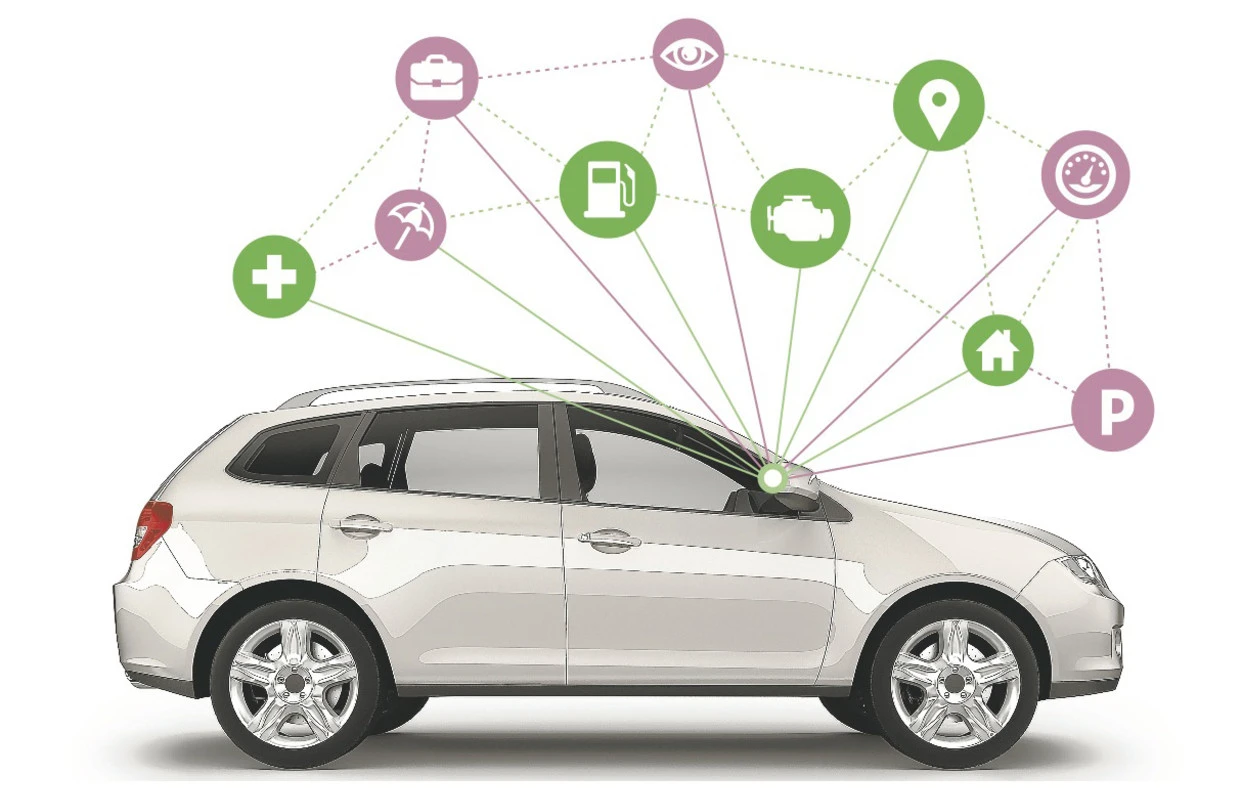
The sensor network used in the study costs a fraction of traditional research equipment while providing continuous, real-world data. Unlike driving simulators or road tests that capture just a snapshot, this technology monitors thousands of trips over years.
Each trip generated data on distance, duration, speed patterns, throttle control, and driving events. When combined with regular cognitive testing, the patterns became clear enough to distinguish between healthy drivers and those with early impairment with remarkable accuracy.
What Drivers Should Do Now
Stay proactive about your driving health by scheduling regular vision and cognitive check-ups after age 65. Consider a defensive driving course to refresh your skills — many insurers offer discounts for completion.
If you’re concerned about an older family member, focus on having honest conversations about driving rather than waiting for an incident. Document any changes you notice, like getting lost on familiar routes or increased anxiety about night driving.
Review your auto insurance coverage to ensure it includes adequate liability protection. As this research shows, cognitive changes can be subtle and gradual, making comprehensive coverage more important than ever.
Keep an eye on emerging telematics programs that might incorporate cognitive health monitoring. While not yet commercially available, this technology could become a valuable tool for maintaining independence safely.
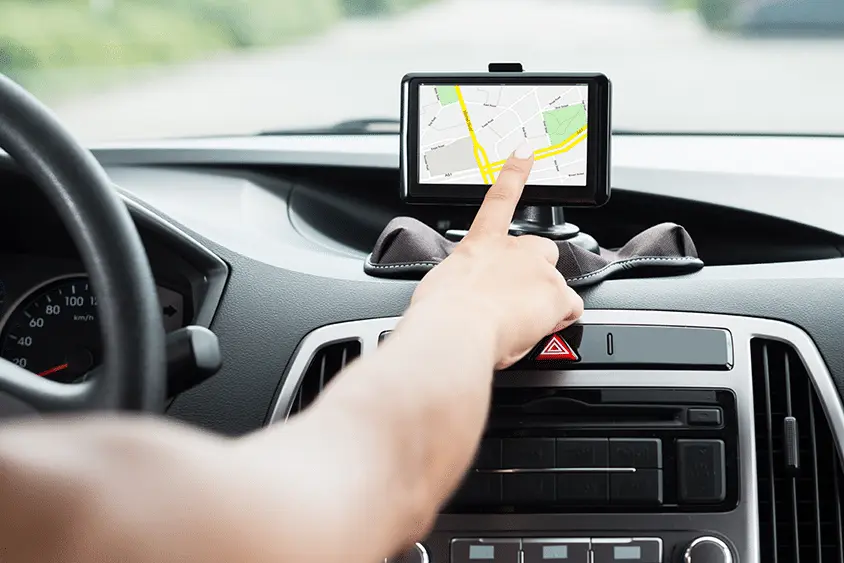
Monitor your own driving patterns for sudden changes in comfort level or increased difficulty with familiar tasks. RoadBuddy’s navigation features can help maintain confidence by providing clear, real-time guidance on routes you’ve driven for years.
This research represents a shift from reactive to proactive approaches to driving safety. Instead of waiting for problems to become obvious, technology now offers the possibility of early intervention that could keep families safer while preserving independence longer.