

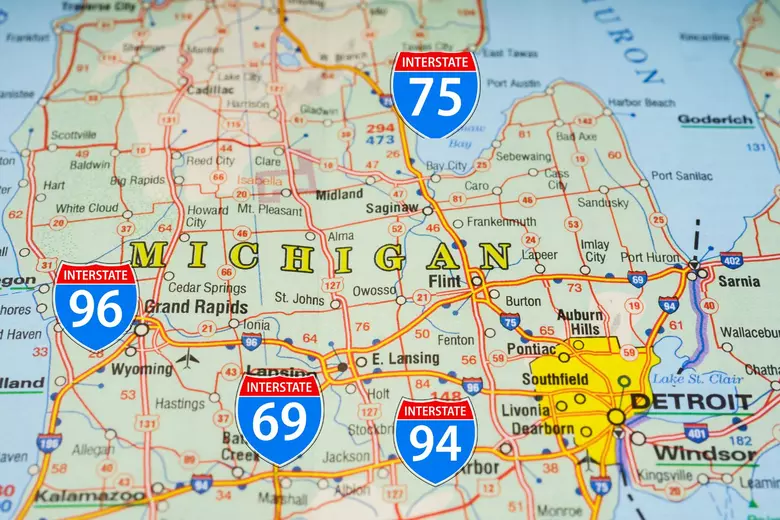
Michigan lawmakers are working to advance a bill that will restrict the ability of auto insurers to deny claims or terminate coverage due to the failure to disclose information about household members. This comes after a series of complaints, which Local 4 investigations highlighted, stating that families were denied their insurance claims or had their insurance terminated due to the failure to list children who do not drive, such as infants.
State Sen. Mallory McMorrow introduced Senate Bill 782 after receiving complaints from her constituents in response to the Local 4 reporting. “The issue is quite simple. Insurance companies should be able to require you to list your driver,” McMorrow said. “However, you shouldn’t be denied your insurance just because you failed to list your non-driver child on an attestation form.”
What the bill would change
The bill’s core policy shift is narrowing the basis for denial. It would prohibit an insurer from denying coverage for a motor vehicle accident solely because a person was not listed on an insurance application as a relative living in the same household as the person named in the policy.
In practical terms, the intent is to stop the “you didn’t list every person in the house, so your coverage is void” outcome, at least when the missing person is not a driver and the denial is based only on that omission.

How to claim pothole damage in the US
Why this is happening now
Local 4’s reporting described multiple cases where insurers treated household-member listing as a hard compliance requirement. The initial tip involved a Washtenaw County family whose GEICO policy was reportedly canceled because they did not list their children, including a three-month-old, on a policy attestation form. After that story aired, Local 4 said it received hundreds of messages from families describing similar experiences.
The reporting also surfaced a broader problem for consumers: once a policy is canceled, the cancellation itself can follow the driver. Even when a family believes the cancellation was unfair or irrelevant to the claim, the record of cancellation can lead to higher premiums or fewer options when shopping for replacement coverage.
Why “household member” questions matter to insurers
Insurers commonly ask about everyone living in the household because households affect risk, pricing, and underwriting. Their view is that household composition can indicate how many potential drivers have access to the vehicle, how frequently the vehicle is used, and what discount programs apply. Some insurers also use household data to validate that the policy accurately reflects who might operate the car.
This is the tension at the center of the debate. Consumers see “my baby doesn’t drive” as obvious. Insurers see household disclosures as part of how they price policies consistently and prevent misrepresentation. The law is being asked to draw a sharper line between those positions.
Make Sure You’re Not Overpaying
Advertiser Disclosure
RoadBuddy is a free resource that helps drivers compare auto insurance options.
We may receive compensation from some insurance companies and partners when you click on links or request a quote through our site. This may affect where offers appear, but it does not influence our reviews, guidance, or editorial decisions.
Our content is researched and written independently to give you clear and unbiased information.
By using RoadBuddy, you acknowledge and accept this disclosure. Learn more.

What attorneys in the story are saying
Local 4 interviewed attorneys representing families who had claims denied or coverage canceled. Their position is that the current practice can be disproportionate, especially when the omitted person has no driving role and the claim is a collision claim where the presence of a minor child in the household does not meaningfully change the risk of that specific loss.
Some of the attorneys said claims tied to these disputes were ultimately resolved, but the process left families feeling they had to fight much harder than expected for coverage they believed they paid for.
How the insurance industry is responding
Many insurers directed Local 4 to the Insurance Alliance of Michigan, which defended the broader household disclosure practice. The alliance’s argument is that accurate household information supports fair pricing. If larger households omit household members, the alliance says those households may be undercharged relative to their risk, shifting costs to other policyholders.
They also argue that listing household members helps insurers match customers to the right products and discounts, and that incomplete household information makes that harder.
What drivers should do while this is still being debated
This bill has not changed the rules yet. Until it does, Michigan drivers need to treat household questions seriously, even when the questions feel unreasonable.
Here are practical steps that reduce the chance of a denial or cancellation tied to household disclosures:
First, read the household-driver language on your policy documents and renewal forms. Some insurers use terms like “all household members,” “all residents,” “domiciled relatives,” or “all licensed drivers.” Those phrases do not mean the same thing in every policy, and insurers often rely on them during claim investigations.
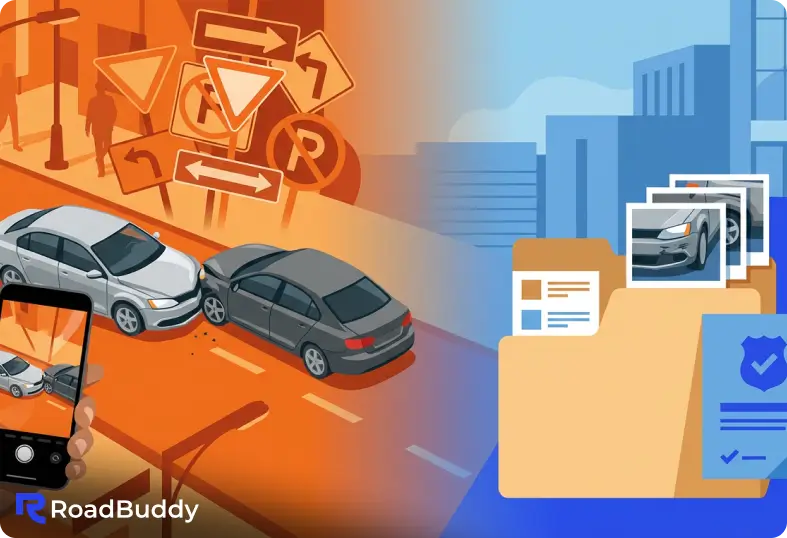
Second, keep copies of what you submitted. If your insurer uses an attestation form, save it. If you update your policy online, screenshot confirmation pages or save the confirmation email. If there is a dispute later, having a clean record of what you answered and when you answered it matters.
Third, clarify who needs to be listed and in what category. Many policies allow non-driving household members to be listed as non-drivers, and some allow a child to be listed as “not licensed” or “too young to drive.” The key is avoiding a mismatch where the insurer later claims you failed to disclose household residents.
Fourth, if an insurer demands listing a person who does not drive, ask how they should be classified in the policy system. This is not about arguing with the concept. It is about getting the policy set up in a way that cannot be reinterpreted later.
Why this could be a meaningful change if it passes
If Senate Bill 782 becomes law in a strong form, it would reduce one of the sharper edges in the current system: claim denials or cancellations that hinge on a technical disclosure issue rather than the facts of the accident itself.
It would not eliminate all disputes. Insurers would still be able to investigate misrepresentation and undisclosed drivers. The change would mainly target a narrow scenario: denying coverage solely because a household relative was not listed, even when that person has no driving role.
For Michigan families, the practical stakes are large. A denial can mean paying out of pocket for repairs or medical costs. A cancellation can trigger long-term premium increases because it becomes part of the customer’s insurance history. The proposed bill is aimed at preventing those outcomes when the missing person is a non-driver.