
If you are involved in a car accident in California and the other party is at fault, the concept of making a claim is straightforward: their insurance (or yours, depending on the policy) will pay for the repairs and damages. But the truth is, making a claim can become a nightmare of “can you just send us one more document,” an offer that doesn’t include a rental car, or simply a denial masquerading as “we need more information.”
Most car accidents are resolved with an insurance claim and don’t go to court. But California is a large and expensive market, and insurance claims can become… testy. Here are the most common reasons why claims are denied or downgraded, and what you can do to avoid being bullied.
How claim denials actually happen
Most denials aren’t a movie moment where the insurer slams a folder shut and says “no.” It’s usually slower and sneakier. They question the timeline. They dispute the damage. They say you’re missing proof. They argue you weren’t covered for that situation. Or they “accept” the claim but only agree to pay for half of what you need. The theme is the same: if the file looks messy, ambiguous, or expensive, expect pushback.
You didn’t get medical care quickly enough
This is the biggest self-own in injury claims. If you wait days to see a doctor because “it’ll probably go away,” the insurer can argue the pain came from something else, or wasn’t serious, or wasn’t caused by the crash.
You don’t need to act dramatic. You do need a clean timeline. Get evaluated, document symptoms, and follow up if things get worse. The longer the gap, the easier it is for an adjuster to say “not related.”

Why Auto Insurance in California Is Expensive and Difficult to Get
Pre-existing injuries become their favorite excuse
If you’ve ever had back pain, a shoulder issue, a prior accident, a work injury, anything, expect it to come up. Insurers love to frame a new injury as “just an old problem flaring up.”
Pre-existing conditions do not automatically kill a claim. But they do mean you need clearer documentation showing what changed after the crash. The best defense is consistent medical notes that tie symptoms to the collision and show progression over time.
You reported late or missed a deadline
Two different clocks matter in California.
First: policy deadlines. The insurance companies want you to report quickly. If you don’t, they’ll say they couldn’t examine the damage, couldn’t investigate, or couldn’t check into what occurred.
Second: the legal deadline. If you have to sue the responsible party for compensation for your injuries, California gives you two years from the accident date to file your lawsuit. If you miss this deadline, you’re finished, regardless of the merits of your case.
Make Sure You’re Not Overpaying
Advertiser Disclosure
RoadBuddy is a free resource that helps drivers compare auto insurance options.
We may receive compensation from some insurance companies and partners when you click on links or request a quote through our site. This may affect where offers appear, but it does not influence our reviews, guidance, or editorial decisions.
Our content is researched and written independently to give you clear and unbiased information.
By using RoadBuddy, you acknowledge and accept this disclosure. Learn more.

Fault is disputed (or they try to make it disputed)
If liability isn’t crystal clear, the other insurer is not going to just cut a check. They’ll argue you contributed, nitpick the police report, play games with witness statements, and they’ll push you toward a partial payout.
California follows pure comparative negligence. This means that you can still collect compensation even if you are mostly to blame, but your payment will be reduced by percentage. This means that insurance companies have the ability to shift the blame to you and reduce the payment.
The damage “doesn’t match the story”
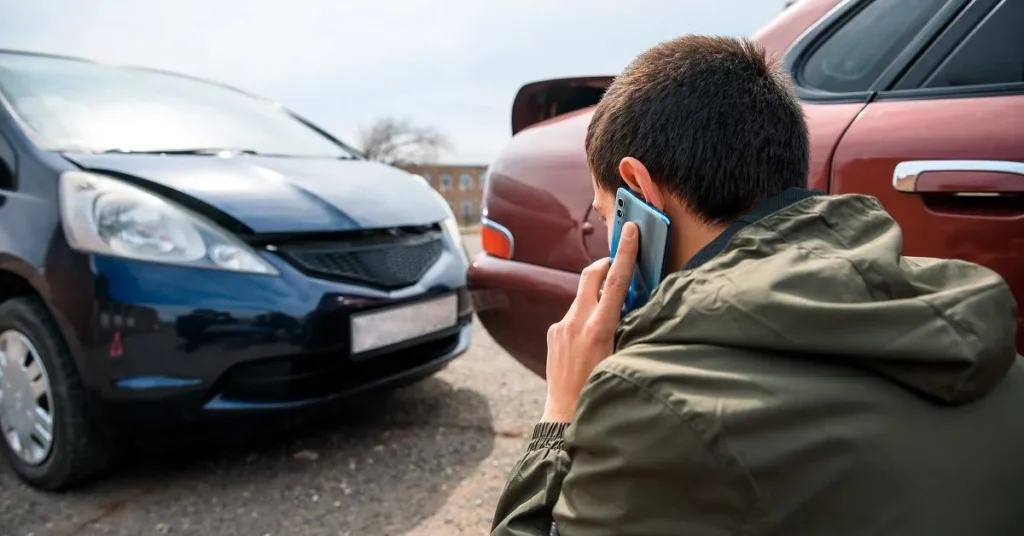
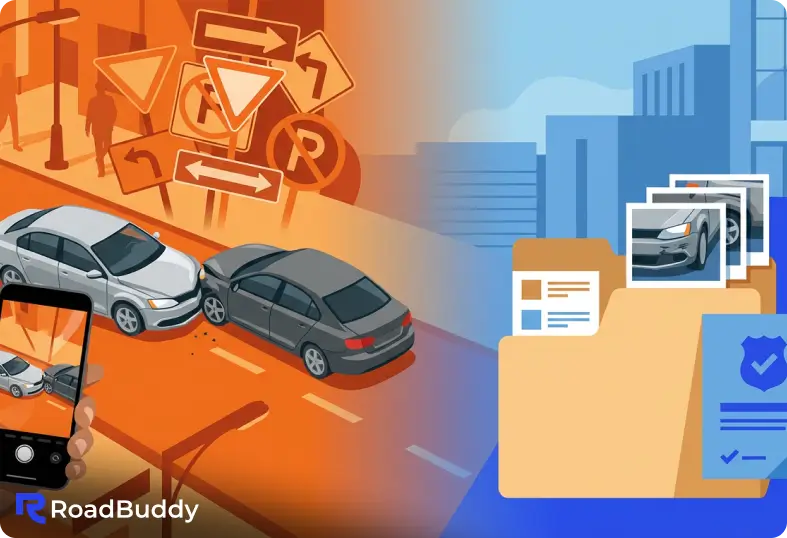
This one shows up constantly in property damage claims. The carrier will say the photos look inconsistent, the point of impact doesn’t line up, or some of the damage looks older than the crash. This is why scene photos matter. Take wide shots, close-ups, license plates, the intersection, skid marks if any, and any obvious debris. If you can show a clean before-and-after narrative, its harder for them to argue pre-existing damage.
Coverage issues: exclusions, lapses, and “who was driving?”
Sometimes the denial is boring and contractual. Common triggers:
- Lapse in coverage or non-payment cancellation
- Excluded driver on the policy (named driver exclusion is brutal)
- Unlisted household driver disputes
- Using the car for rideshare/delivery without the right endorsement
- Permissive use arguments (they claim the driver did not have permission)
- Policy limits that are too low to cover the loss
They lowball you so hard it feels like a denial
Sometimes they don’t deny. They just offer a number that doesn’t cover repairs, medical bills, or even basic loss-of-use. That’s not technically a denial, but the outcome is the same: you’re stuck unless you fight.
This happens a lot with valuation disputes (total loss offers), repair scope fights (they ignore hidden damage or calibration), and medical causation arguments.
Bad faith claim handling does happen
“Bad faith” is basically when the insurer fails to handle the claim fairly under the contract and the law. Think: unreasonable delays, denying without proper investigation, misrepresenting policy language, pressuring you not to get help, or stonewalling until you give up.
Not every denial is bad faith. Some are legit coverage problems. But if the carrier is acting shady, document everything and don’t let the claim drift for months without escalation.
What happens when your claim gets denied
A denial can turn a normal crash into a personal finance crisis fast. You might be paying out-of-pocket for towing, storage, a rental, repairs, and medical care while still making car payments. And if you’re in California, those costs add up quickly.
Also, delays create leverage for the insurer. The longer you’re without a car or dealing with bills, the more likely you are to take a bad settlement just to make the problem stop.
How to appeal a denied claim in California
Begin with the denial letter. If they refuse to put it in writing, that is a problem. Once you have it, structure your argument around the specific reason they are giving you.
If it is a matter of lack of proof, send them pictures, records, witness statements, repair estimates, medical records, and a clean timeline. If it is a matter of policy, ask them to point out what part of the policy they are referring to. If it is a matter of liability, stick to the facts: police report, dash cam video, independent witnesses, and damage pattern.
If you are getting nowhere, ask for a supervisor to look at your case. If you still feel that your case is being blown off, you can file a complaint with the California Department of Insurance. And if there is serious injury or serious money involved, talk to an attorney as soon as possible. People get boxed in if they wait too long.
How to reduce the odds of a denial next time
You don’t have to go to trial for every fender bender, but you do have to have a clean record. Report claims quickly. Document more than you think you need to. Get assessed if you’re injured. Document all expenses. Document all conversations. And don’t rely on the insurance company to “do the right thing” simply because the other party was clearly to blame.
When hiring a lawyer is a good idea
If this is just a small property damage claim and the insurance company is just dragging their feet, you can probably push it through. If you’re facing serious injuries, a total loss dispute over the value of the car, a dispute over fault, or a denial of claim that reeks of bad faith, a lawyer can turn the tables quickly. The trick is to get good advice early in a serious claim. You don’t want to wait until the claim is a dumpster fire, the evidence is old, and the deadlines are looming.