
What most people hear when they hear “telematics” is “discount.” Then they download the app, drive like a regular human being for a couple of months, and go, “Wait a minute, I just signed up for a driving report card that can track me into renewal season.” That’s the real play at work in the telematics explosion: insurers want better pricing, cleaner claims, and fleets want fewer accidents, and regulators will take anything that can be spun as a positive step for road safety.
If you’re looking for one indicator of growth, here it is: “One of the most widely cited market forecasts is from SNS Insider, which predicts the global insurance telematics market will reach $18.7 billion by 2032, growing at an 18.4% CAGR from 2024 to 2032.” What this means is that this is no longer a nice-to-have feature. It’s becoming a part of the industry’s risk pricing and claims handling.
Why telematics is growing so fast
Telematics is the insurance plug into the new world of driving. Cars and phones generate an infinite amount of behavioral data, and pricing algorithms are hungry for more inputs. PAYD (pay as you drive) and PHYD (pay how you drive) schemes seem reasonable, but in reality, they might incentivize low-mileage suburban driving and penalize city commuters, night owls, and people who live in areas with heavy traffic.
The good news is that the technology works: faster accident alerts, faster claims processing, less staged-loss fraud, and sometimes actual safety gains. The bad news is that your phone is now the underwriter, and the results might seem unrelated to what drivers perceive as “safe.”
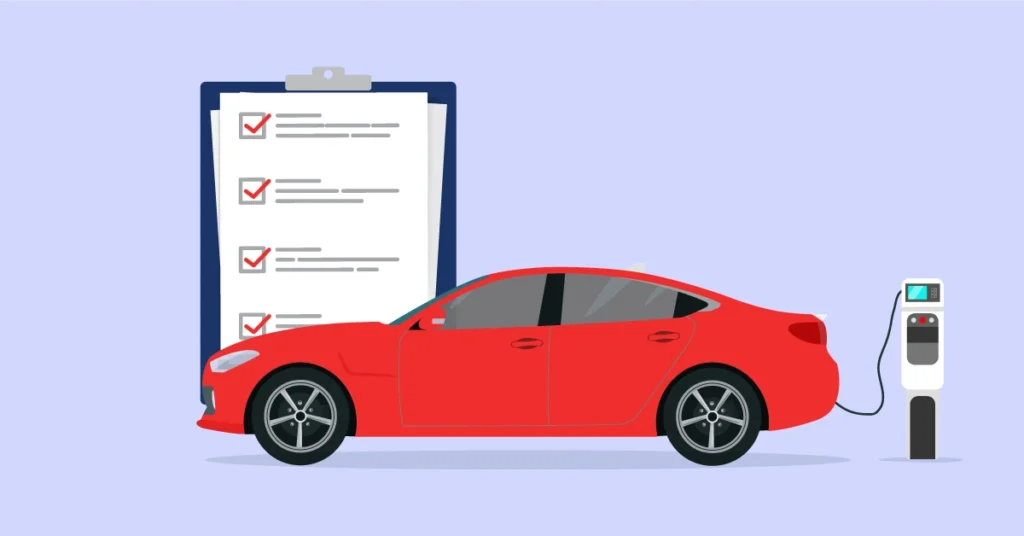
The Future of EV Insurance for Owners
Top 10 telematics and usage-based insurance players
Solera
Solera is marketed as a comprehensive platform for automotive intelligence and claims, rather than a telematics data feed. They are very heavy on the AI and data analytics side, aiming to make fleets and insurers more efficient. The application side is claims, specifically accident reporting, repair estimates, payments, and fraud detection. They also have a sustainability play in terms of optimizing repair processes to reduce waste and emissions. If you are wondering why insurers care, it is because anything that reduces claim leakage and cycle time shows up directly in loss costs.
Wrisk
Wrisk is a UK insurtech company founded in 2016, offering a digital-first, customer-managed insurance experience. Their value proposition is flexibility: app-managed, flexible products, and partnerships with brands, including the automotive sector. They are more about making insurance a product experience rather than a call-center process.
Travelers
Travelers is a large US carrier with a wide range of products and a long history. They are here because legacy carriers are integrating telematics into their underwriting and claims processes, not just as a means of offering a discount program. When a large legacy carrier makes a move, it usually means that the market is maturing from experimentation to mainstream adoption.
Make Sure You’re Not Overpaying
Advertiser Disclosure
RoadBuddy is a free resource that helps drivers compare auto insurance options.
We may receive compensation from some insurance companies and partners when you click on links or request a quote through our site. This may affect where offers appear, but it does not influence our reviews, guidance, or editorial decisions.
Our content is researched and written independently to give you clear and unbiased information.
By using RoadBuddy, you acknowledge and accept this disclosure. Learn more.

Cover Whale
Cover Whale is a more recent insurtech company targeting commercial auto, particularly trucking and small to mid-sized fleets. They target analytics and machine learning for underwriting, and telematics is a natural fit because commercial auto risk can vary so wildly depending on driver behavior, routes, and patterns of operation. In trucking, telematics is sometimes less “nice to have” and more “prove you’re not a disaster.”
Clearcover
Clearcover is a digital auto insurance company launched in 2016 with a mobile-centric business and extensive automation. The mission is speed and simplicity: quoting, servicing, and claims all centered on software, with AI to optimize decisions. Telematics is a natural data input for this type of system because it offers a continuous stream of data rather than a static application profile.
Cambridge Mobile Telematics (CMT)
CMT is one of the largest players in this area, with a focus on mobile telematics and AI. They monitor things like speeding, aggressive braking, and distracted driving using their DriveWell system, and they also talk about crash detection and claims services. Why they are important is because of their size – app-based telematics can reach millions of drivers very quickly, which is why the issue of consent and privacy keeps getting raised.
Dolphin Technologies
Dolphin Technologies is an Austria-based telematics firm that specializes in behavior analysis and road safety outcomes. They analyze and interpret driver and vehicle data to enable risk analysis and accident prevention, and they work with insurers, car manufacturers, and fleet managers. They are important because they can take raw driving data and turn it into risk information that can be used to underwrite behavior-based insurance policies.
Progressive
Progressive is a major car insurer in the US and a traditional leader in telematics. The brand’s heritage is based on embracing pricing and technology innovation from the start, and telematics is a perfect fit with that brand identity. For customers, Progressive is a reminder that telematics is more than a discount program. It is also an underwriting perspective that can divide risk very thinly.
Verizon
Verizon appears as a relevant company because telematics is also a connectivity and IoT play. The data from connected vehicles has to flow through networks and platforms, and telecom companies are part of this ecosystem. Verizon’s play is more about facilitating connected fleet and vehicle data solutions than about driving scores.
GEICO
GEICO is a large direct-to-consumer carrier in the US with a telematics program called DriveEasy that rewards good driving with possible discounts. The larger picture is that large direct carriers like telematics because it gives them more certainty and allows them to price more finely. This is great if you rate well. This can be tough if your driving habits don’t meet the model.
What this signals for drivers and insurers
Telematics is becoming the infrastructure of insurance. It is becoming more and more linked to the pricing of policies, the processing of claims, and the detection of fraud. The technology is advancing, but the incentives are still for the insurer.
If you choose to participate in telematics, you should think of it as underwriting, not a reward for loyalty. You should understand if your premium can go up, how long your data will be stored, and with whom it can be shared. And if your driving experience involves a lot of commuting, heavy traffic, night driving, or short journeys, you should expect that the score may not like you even if you are not behaving unreasonably.