
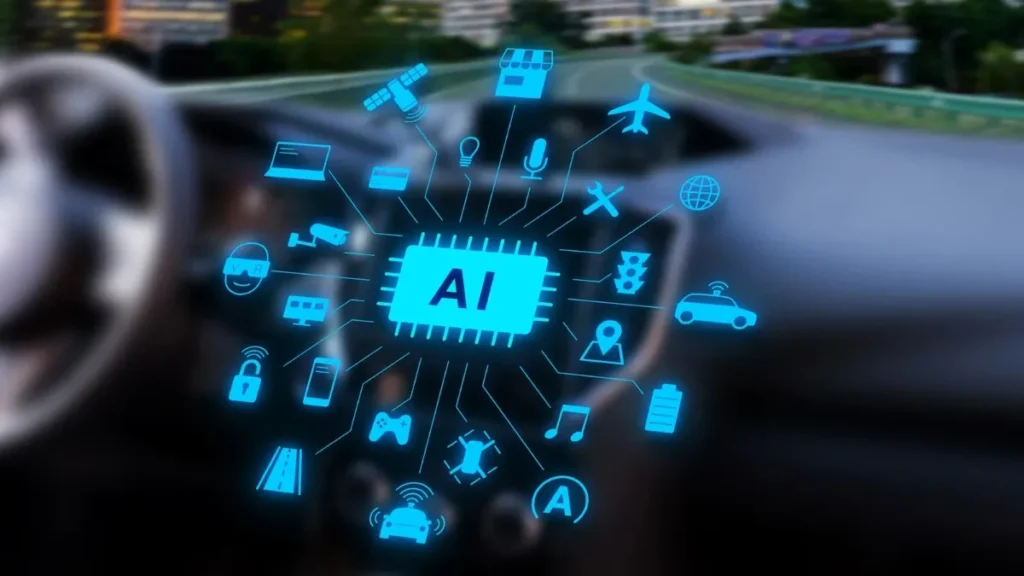
Artificial intelligence is no longer experimental in car insurance. It’s embedded across pricing, underwriting, claims handling, and fraud detection, fundamentally changing how insurers assess risk and drivers experience coverage. While insurers frame AI as a way to improve efficiency and accuracy, the technology is also making insurance more individualized, more data-driven, and less forgiving.
The shift is being driven by economic pressure. Mounting repair costs, worsening accidents, climate-related losses, and regulatory scrutiny have forced insurers to look for tools that can process claims faster and price risk more precisely. AI has become the backbone of that effort.
AI in Pricing and Rate Setting
One of the biggest impacts that AI can have is on the price itself. Car insurance is no longer keyed off of tables that are updated once or twice per year. Rather, the current systems use a variety of machine learning algorithms that take into account millions of factors, such as driving history, car type, garaging location, mileage, and claims history.
These models retrain continuously as updated information becomes available. If the frequency of accidents increases in a given ZIP code, theft is on the rise for a specific car model, or repair costs escalate because of parts shortages, AI can adjust these assessments much faster than the traditional actuarial model.
For the driver, this means that insurance costs will be more individualized, and more erratic. Two individuals with similar driving histories may be offered different premiums on renewal, depending on finely tuned variables such as location, travel routes, or car repair records. Loyalty used to count for something.
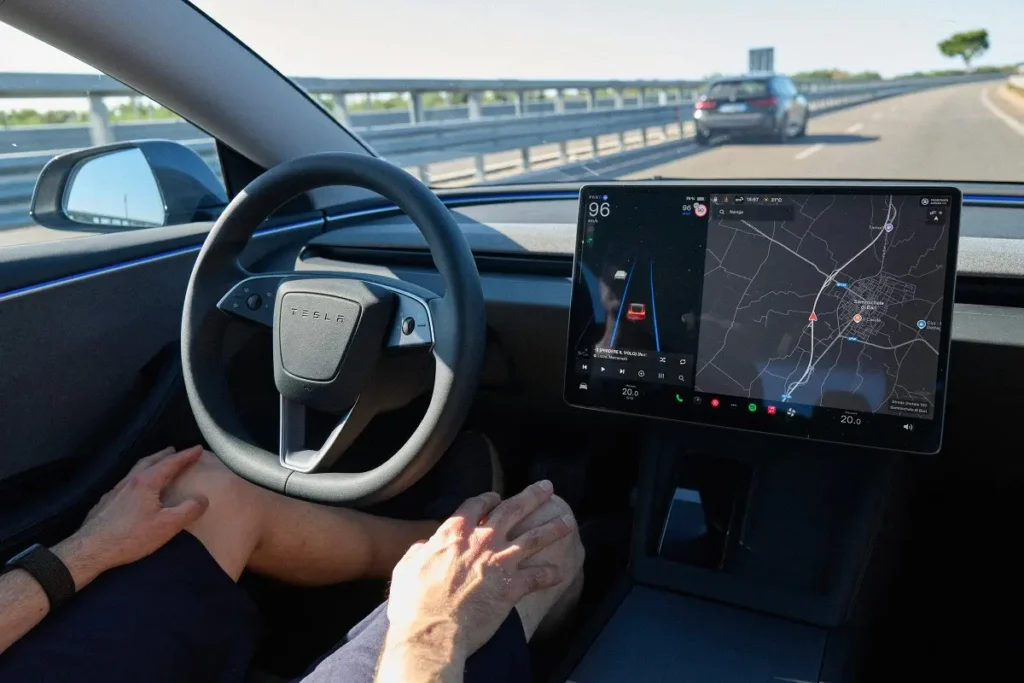
Tesla is offering insurance discounts for FSD users
Claims Automation and AI Damage Assessment
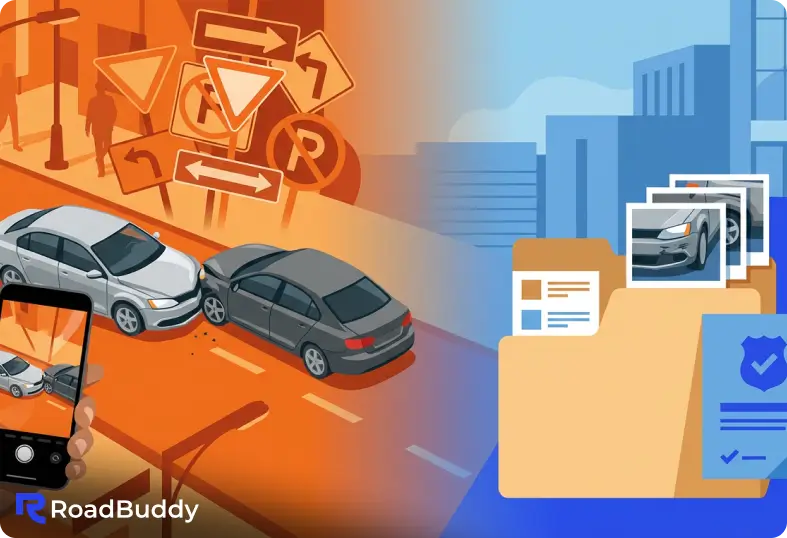
This is where consumers are most likely to interact with AI technologies. Insurers are now using image recognition technology to evaluate vehicle damages caused in accidents. After an accident occurs, individuals can use a smartphone app to upload images that use an algorithm to compare to huge data pools of previous accidents to calculate costs for fixing the vehicles.
This process can greatly speed up settlement for straightforward claims. Indeed, some claims are settled within minutes, and payments can be made on the same day. This saves on costs such as rental, storage, and administrative expenses for insurers.
However, automation is a two-edged sword, and these same systems can flag those claims where there is evidence of deviation from normal expected patterns. If the evidence of damage does not match the incident that was reported or matches patterns commonly associated with fraud, then the claim could be put on hold.
Make Sure You’re Not Overpaying
Advertiser Disclosure
RoadBuddy is a free resource that helps drivers compare auto insurance options.
We may receive compensation from some insurance companies and partners when you click on links or request a quote through our site. This may affect where offers appear, but it does not influence our reviews, guidance, or editorial decisions.
Our content is researched and written independently to give you clear and unbiased information.
By using RoadBuddy, you acknowledge and accept this disclosure. Learn more.

Fraud Detection and Pattern Recognition
Fraud detection is one of the most rapidly growing fields in the application of AI in auto insurance. Machine learning models are used by insurance firms to detect non-random patterns in various fields.
AI systems examine relationships that would be impossible for human investigators to identify, such as repeated interactions between the same parties or claims that all have the same defining features. This has helped reduce staged accidents and false increases in claim expense.
At the same time, consumer advocates have been cautioning that fraud models run amok can lead to more friction in the process for legitimate claimants, with more documentation requests overall.
Telematics and Behavior-Based Insurance
The insurance programs that utilize data from usage depend almost entirely on the presence of AI. The data is collected through the use of smartphone applications or devices in vehicles that measure distance, braking, acceleration, speed, and usage of the phone.
“While these programs are billed as discount opportunities, they are also providing insurers with unparalleled visibility into individuals’ driving behavior. In some of these programs, drivers can face higher premiums even if they haven’t been involved in an accident if they engage in risky behavior.”
This raises questions of transparency and consent, especially as the number of vehicles being equipped with such features as the capability to continually collect data increases.
Underwriting, Policy Management, and Customer Service
Apart from the above factors, AI is increasingly being utilized to automate underwriting decisions, determine the gaps in cover, or manage changes to the policy. There is also a greater usage of chatbots or virtual assistants to manage customer service.
These systems cut costs and response time in call centers, but they remove human discretion as well. Difficult situations may require human decision, but the first line of response is automated.
In recent times, there has been increased regulatory interest in AI adoption because it has become the heart of the entire insurance business. In the United States, insurance regulatory bodies such as the National Association of Insurance Commissioners have begun to publish guidelines on the application of AI.
Insurance departments want to know what information is used, how decisions were made, and how consumers can fight the decision-making of machines. Several states have started forcing insurers to show that AI systems do not perpetuate discrimination, even unintentionally, against certain groups of people.
Most insurance organizations have “human-in-the-loop” systems, where an adjuster works on high-value claims, injury cases, and valuation disputes. Despite this, there remains an ongoing pendulum swing between machines and humans.
From a driver’s point of view, a new set of rules applies. Insurance coverage is becoming more differentiated and less predictable, and this impacts insurance premium costs that can shift more quickly. Behavior while driving, location, and even claim types can become factors for consideration.
The advantage is that it allows for speed and convenience. However, the disadvantage is that it lacks transparency. This is because many insurance decisions today use models that are not fully understandable to consumers.
The Bigger Picture
AI is not just an auxiliary tool in car insurance anymore; it is the core operating framework. Insurers now depend on it to handle their risks, keep costs low, and compete effectively in a market where there is immense pressure.
For consumers, awareness will be increasingly essential. Understanding how data is collected, how the data is evaluated, and when the AI shifts into human reviews will be important as AI technology further influences the future of car insurance.
The industry is not moving back. The question now is whether we can match the speed of technology with transparency and fairness.