
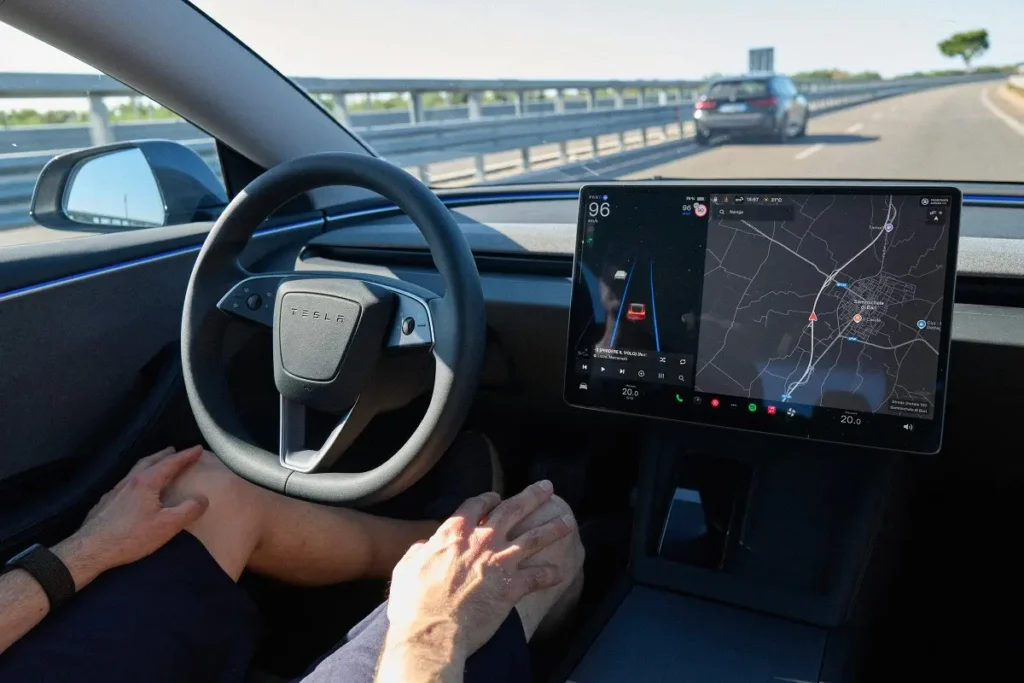
Tesla has started tying its own auto-insurance pricing to how often drivers use Full Self-Driving (Supervised). In Texas and Arizona, eligible Tesla Insurance customers can earn a discount worth up to 10% (on certain coverages) if they drive at least half their miles with FSD (Supervised) engaged over a rolling 30-day period.
On its face, that is a straightforward perk, especially since Tesla owners expect a surge in vandalism acts. In reality, it is a strategic move: Tesla is effectively saying, “We believe miles driven under our software are lower-risk miles, and we are willing to price them that way.”
What Tesla actually announced
Tesla’s own program is simple in concept and strict in execution. The discount is tied to usage, not ownership. Drivers have to log at least 50% of their miles with FSD (Supervised) enabled over the last 30 days to qualify for the maximum discount, and the discount applies to certain coverages rather than necessarily reducing the entire premium by the headline percentage.
The program is currently limited to “select states,” and the public reporting around the rollout points to Texas, California and Arizona as the initial launch markets.
There is a subtle but important framing choice here: Tesla is not discounting for “safe driving” in the general sense. It is discounting for “driving while using FSD.” That is a different claim.
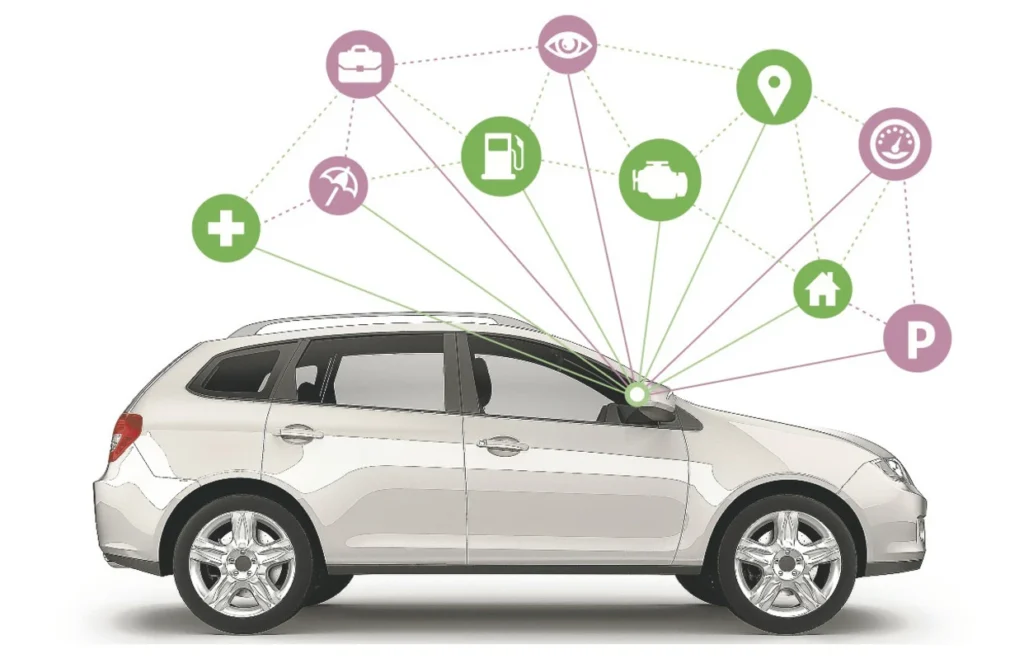
Your Car Is Secretly Selling Your Driving Data
Why this is rolling out in only some states
Tesla’s insurance product is not uniform across the country. In states where Tesla can incorporate real-time driving behavior into pricing, it has more flexibility to create usage-linked discounts like this. In California, Tesla explicitly notes that Safety Score is available for educational purposes only and does not affect premiums.
That matters because Tesla’s discount requires measurement. The insurer needs to track and verify FSD usage to apply a monthly discount window, and Tesla’s own insurance materials describe premium changes based on driving in the prior 30 days in states where real-time insurance is active.
So if you are wondering why this is not a nationwide announcement, the short answer is: state-by-state insurance rules and product design are still the reality, even for a company that ships software updates weekly.
Validate autonomy as an “insurance-grade” risk reducer
Tesla is trying to turn a technological claim into an underwriting claim. If Tesla can show that high-FSD-use policyholders have fewer or less severe claims, it gets leverage in three directions at once:
First, it supports the marketing narrative that supervised autonomy improves safety in day-to-day driving.
Second, it encourages more drivers to keep FSD engaged more of the time. That increases the volume of real-world supervised autonomy miles, which is valuable for system development and for Tesla’s broader autonomy roadmap.
Third, it sets a precedent for the insurance industry: a world where premiums depend not just on who you are and where you live, but on how much of your driving is being executed by a specific automated driving stack.
The discount is also arriving in a market that is already experimenting with “FSD-priced miles” in a more aggressive form. Lemonade recently announced a product that would cut rates for miles driven with Tesla’s driver-assistance software, and Reuters reported Tesla already offers a discount of up to 10% when drivers use FSD for more than half their miles. That competitive context matters because it reframes Tesla’s 10% as a starting point, not a ceiling.
Make Sure You’re Not Overpaying
Advertiser Disclosure
RoadBuddy is a free resource that helps drivers compare auto insurance options.
We may receive compensation from some insurance companies and partners when you click on links or request a quote through our site. This may affect where offers appear, but it does not influence our reviews, guidance, or editorial decisions.
Our content is researched and written independently to give you clear and unbiased information.
By using RoadBuddy, you acknowledge and accept this disclosure. Learn more.
Why “up to 10%” can be smaller than it sounds
The headline number is clean. The savings can be messier.
Tesla’s own description specifies the discount applies to “certain coverages,” which means the actual percentage reduction on a customer’s total bill can be less than 10%, depending on how much of the premium is coming from the coverages that qualify.
This is also a rolling measurement program. If a driver dips below the usage threshold in a given 30-day window, the discount can shrink or disappear for that period. In plain terms: this is not a loyalty reward; it is a usage-linked pricing model.
And because Tesla’s real-time insurance framework can adjust premiums monthly based on prior driving behavior, the discount is conceptually aligned with a system where price can change more frequently than traditional six-month renewal cycles.
What this signals for the broader auto insurance market
Even if Tesla’s insurance market share remains small compared to national carriers, the direction is significant. The traditional auto insurance model is driver-centric. Your premium is mostly a function of the driver profile and the vehicle: age, record, location, annual mileage, claims history, credit-based insurance score in many states, and vehicle repairability.
A software-linked discount pushes toward a system-centric model: the vehicle’s automated driving behavior becomes part of the rated risk, potentially separate from the human driver. That shift has consequences:
- It pressures insurers to figure out how to price advanced driver assistance systems consistently. If one carrier gives meaningful credit for automated driving miles and another ignores it, price shopping becomes an “autonomy arbitrage” game.
- It increases the role of proprietary data. If the best signals about risk come from vehicle telemetry and automated driving logs, access to that data becomes a competitive advantage.
- It forces a harder transparency conversation. Drivers will reasonably ask what the system is measuring, how it is scoring them, and what happens when the system flags behavior as risky. Those questions are already familiar in telematics programs; autonomy just raises the stakes.
What drivers in Texas and Arizona should do before treating this as “free savings”
If you are eligible, the discount is worth evaluating, but it should be evaluated like any other pricing program: with controls and a clear understanding of what you are trading. Start by confirming what portion of your premium is actually affected, since the discount may apply only to specific coverages. Treat the 50% threshold as a real requirement, not an aspirational goal. The program is designed to reward consistent usage, and the measurement window is the prior 30 days. Finally, separate the insurance decision from the technology decision. A discount is not a safety certification. It is a pricing signal based on Tesla’s internal view of risk, and it can coexist with ongoing debate about how autonomy should be deployed, regulated, and held accountable.