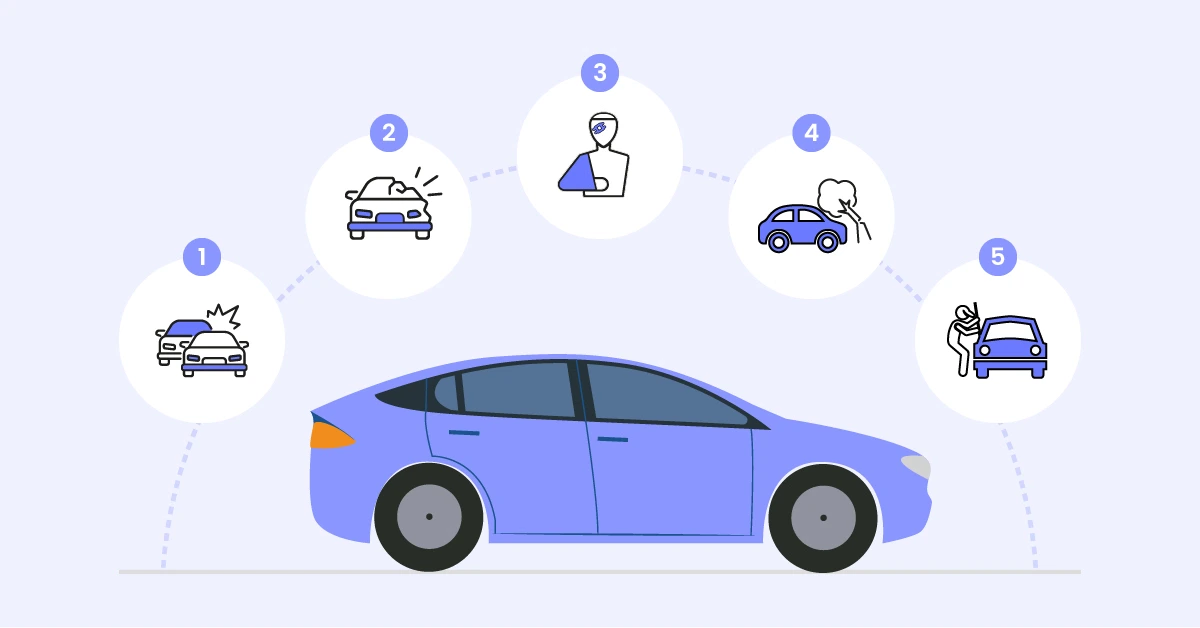


Stock photo for illustration purposes only.
California just opened the door for 18-wheelers and delivery trucks to join the autonomous vehicle testing game. The state’s Department of Motor Vehicles approved new regulations Tuesday that let manufacturers test heavy-duty driverless vehicles on public roads — a significant expansion beyond the passenger cars that have dominated autonomous vehicle testing for years.
What the New Rules Actually Cover
The updated regulations don’t just green-light big rigs without drivers. They beef up safety and oversight requirements across all autonomous vehicle classes operating in California. That means stricter monitoring for the Waymos and Cruises already on the road, plus new frameworks for the massive commercial vehicles now entering the mix.
Heavy-duty autonomous vehicles present unique challenges that passenger cars simply don’t face. A driverless semi-truck weighs up to 80,000 pounds fully loaded — roughly 25 times heavier than a typical sedan. The stopping distances, blind spots, and potential damage from accidents scale dramatically. California’s new rules acknowledge these realities with expanded oversight protocols.
Make Sure You’re Not Overpaying
Advertiser Disclosure
RoadBuddy is a free resource that helps drivers compare auto insurance options.
We may receive compensation from some insurance companies and partners when you click on links or request a quote through our site. This may affect where offers appear, but it does not influence our reviews, guidance, or editorial decisions.
Our content is researched and written independently to give you clear and unbiased information.
By using RoadBuddy, you acknowledge and accept this disclosure. Learn more.
What This Means for California Drivers
You’ll likely start seeing these vehicles during testing phases before they become commonplace. The implications for your insurance coverage aren’t immediately clear, though. Most personal auto policies don’t address accidents involving autonomous commercial vehicles, creating potential coverage gaps that the industry is still working through.
The RoadBuddy app’s real-time traffic updates become even more valuable as these test vehicles hit California roads. Knowing when autonomous vehicle testing is happening on your route can help you plan accordingly and stay aware of unusual traffic patterns.
The Broader Autonomous Vehicle Landscape
California has been the testing ground for autonomous vehicles since companies like Google started putting self-driving cars on roads over a decade ago. The state currently hosts more autonomous vehicle testing than any other, with over 80 companies holding permits for various levels of testing and deployment.
Insurance companies are scrambling to figure out liability frameworks for autonomous commercial vehicles. Unlike passenger car accidents where fault typically falls on human drivers, autonomous vehicle crashes involve complex questions about manufacturer responsibility, software liability, and fleet operator coverage.
What Drivers Should Do Now
Stay informed about autonomous vehicle testing zones in your area through local DMV updates. Consider reviewing your current insurance policy to understand coverage limitations involving autonomous vehicles — most standard policies weren’t written with driverless cars in mind. Keep extra distance from any vehicles displaying autonomous testing permits, especially larger commercial vehicles still in testing phases. Update your navigation preferences in apps like RoadBuddy to receive alerts about autonomous vehicle testing activity on your regular routes. Finally, don’t assume autonomous vehicles will behave exactly like human drivers — they may make stops, lane changes, or speed adjustments that seem unusual but are programmed responses to road conditions.
California’s move signals that autonomous commercial vehicles aren’t just coming — they’re here. The question isn’t whether these vehicles will share the roads with human drivers, but how quickly the insurance and regulatory frameworks will catch up.