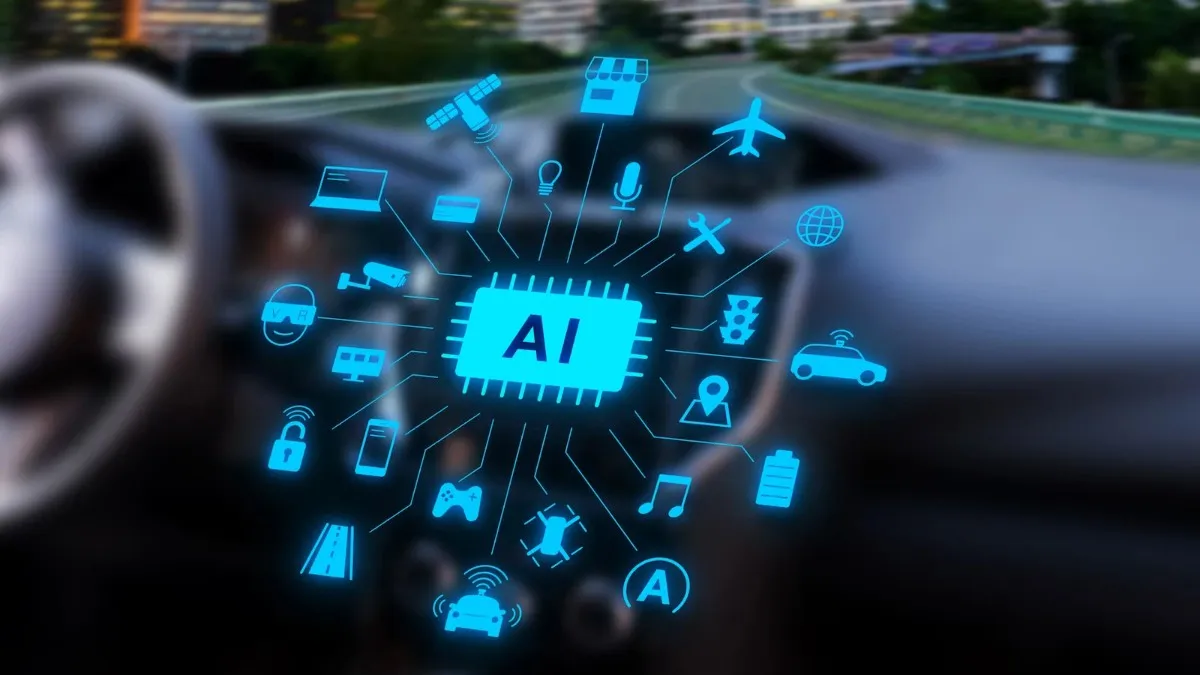


Stock photo for illustration purposes only.
When you’re cruising down the highway using your car’s navigation system or smartphone integration, you probably don’t think about cyber insurance coverage. But a new product launch from specialty insurer Cowbell might offer a glimpse into where auto insurance is heading as vehicles become rolling computers.
Digital Risks Are Coming to Your Dashboard
Cowbell just rolled out Prime One, targeting mid-sized businesses with up to $10 million in cyber protection. What makes this interesting for drivers? The coverage specifically addresses AI-related incidents and quantum computing risks — the same technologies increasingly found in modern vehicles.
Your car’s infotainment system, adaptive cruise control, and even basic telematics already create digital vulnerabilities. According to cybersecurity researchers, the average connected vehicle has over 100 million lines of code. That’s more than a Boeing 787 Dreamliner.
The timing isn’t coincidental. As RoadBuddy’s navigation app and similar technologies become standard, the insurance industry is scrambling to understand new liability exposures.
Make Sure You’re Not Overpaying
Advertiser Disclosure
RoadBuddy is a free resource that helps drivers compare auto insurance options.
We may receive compensation from some insurance companies and partners when you click on links or request a quote through our site. This may affect where offers appear, but it does not influence our reviews, guidance, or editorial decisions.
Our content is researched and written independently to give you clear and unbiased information.
By using RoadBuddy, you acknowledge and accept this disclosure. Learn more.

What This Means for Auto Insurance Premiums
Auto insurers haven’t caught up yet, but they’re watching. When your comprehensive coverage currently protects against theft or vandalism, it doesn’t explicitly address scenarios where hackers disable your vehicle remotely or steal personal data from your car’s systems.
Usage-based insurance programs already collect driving data through telematics devices. But what happens when that data gets compromised? Or when AI-powered driver assistance systems malfunction and cause accidents?
Some industry analysts predict auto insurers will start offering cyber endorsements within three years. Early adopters of connected vehicle technology might see their insurance premium calculations change significantly.
The Quantum Computing Wild Card
Here’s where it gets really interesting. Cowbell’s coverage includes protection against quantum computing threats — specifically the risk that future quantum computers could break today’s encryption standards overnight.
Your vehicle’s secure communications with traffic management systems, payment processing, and even basic key fob encryption could become vulnerable. It’s like every car manufacturer suddenly discovering their locks don’t work anymore.
Most drivers don’t realize their vehicles already transmit encrypted data dozens of times per trip. Navigation apps, toll transponders, and vehicle-to-infrastructure communication all rely on encryption that quantum computers might eventually crack.
What Drivers Should Do Now
Review your current auto policy’s comprehensive coverage language. Does it address data breaches or cyber incidents? Most standard policies don’t.
Consider how much personal information your vehicle collects. Phone contacts, location history, and garage door codes are common targets. Limit unnecessary data sharing with your car’s systems.
Ask your insurance agent about emerging cyber coverages. While not widely available yet, some carriers are piloting programs.
When using navigation apps like RoadBuddy, understand what data permissions you’re granting. Real-time traffic and route planning features are valuable, but know the trade-offs.
Stay informed about your vehicle’s software updates. Unlike your phone, car manufacturers don’t always make security patches obvious or automatic.
The insurance claim process for cyber incidents is still evolving. Document any unusual vehicle behavior or suspected digital intrusions — this could become relevant for future coverage.
As vehicles become smarter, the line between auto and cyber insurance will blur. Smart drivers are those who start thinking about digital risks before they become tomorrow’s standard coverage requirement.