

Stock photo for illustration purposes only.
Your car insurance company might soon know exactly when you brake hard, take corners too fast, or check your phone while driving. What’s happening in the commercial trucking world today offers a preview of where personal auto insurance is headed tomorrow.
The Technology Already Exists
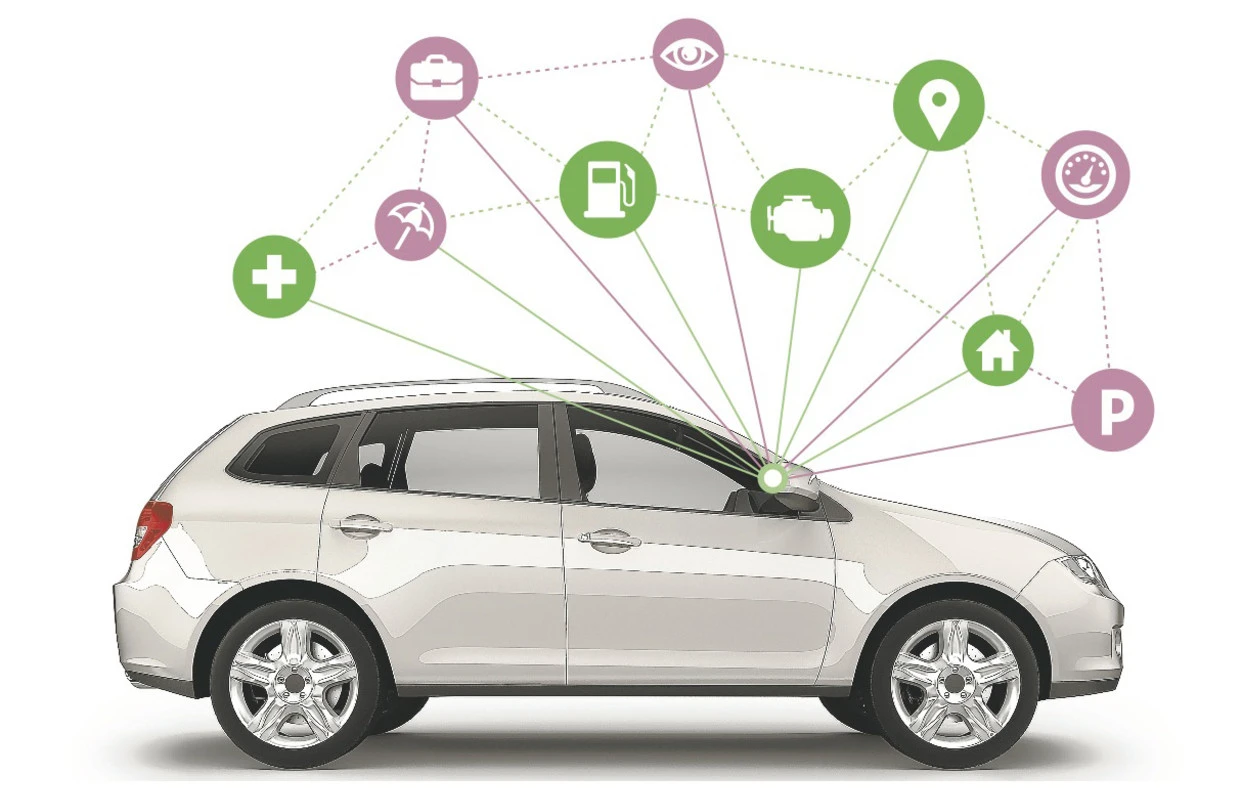
Insurance carriers are rolling out sophisticated driver monitoring technology that goes far beyond simple mileage tracking. These systems can detect everything from harsh acceleration to distracted driving patterns in real-time.
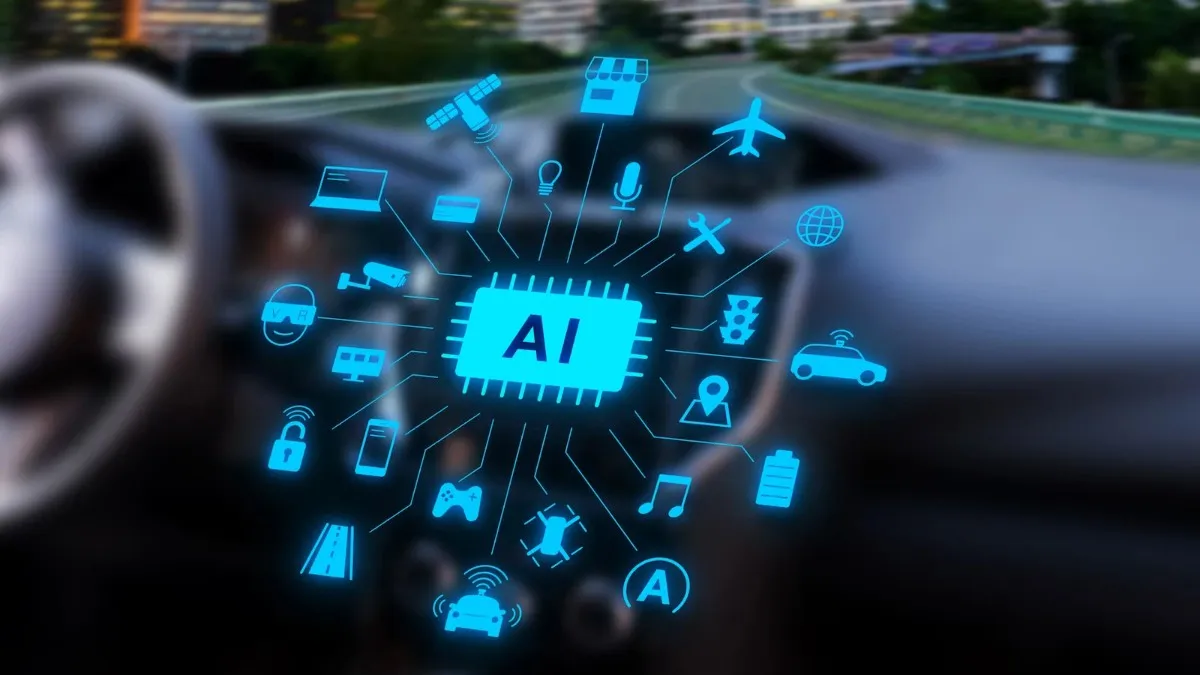
The tools being showcased aren’t just theoretical. One platform already connects insurers with live fleet data for immediate claims processing and continuous risk assessment. Another uses AI agents to handle voice calls and automate entire workflows from sales to claims resolution.
Which means the infrastructure for monitoring every aspect of your driving already exists. It’s just a matter of when it becomes standard for personal vehicles.
Make Sure You’re Not Overpaying
Advertiser Disclosure
RoadBuddy is a free resource that helps drivers compare auto insurance options.
We may receive compensation from some insurance companies and partners when you click on links or request a quote through our site. This may affect where offers appear, but it does not influence our reviews, guidance, or editorial decisions.
Our content is researched and written independently to give you clear and unbiased information.
By using RoadBuddy, you acknowledge and accept this disclosure. Learn more.

What This Means for Everyday Drivers
Commercial fleets typically adopt insurance technology 3-5 years before it reaches personal auto policies. The emphasis on real-time monitoring and AI-driven risk assessment suggests your next insurance renewal could look very different.
Instead of annual rate adjustments based on credit scores and ZIP codes, you might face monthly premium changes based on actual driving behavior. Hard braking on Tuesday? Higher rates on Wednesday. Perfect driving for a month? Immediate discounts.
The claim process could change dramatically too. Instead of calling to report an accident, your insurer might contact you first — they’ll already know about the impact, the severity, and potentially who was at fault.
Privacy Concerns Meet Insurance Savings
This level of monitoring raises obvious questions about privacy. But it also creates opportunities for genuinely safe drivers to prove their worth.
Usage-based insurance programs already offer discounts up to 40% for drivers who share their data. The next generation of these programs could reward specific behaviors — like maintaining safe following distances or avoiding phone use — with real-time premium adjustments.
What Drivers Should Do Now
Start paying attention to your driving habits today. The metrics that matter to commercial insurers — harsh braking, rapid acceleration, distracted driving incidents — will likely become the standard for personal policies within five years.
Consider enrolling in your current insurer’s usage-based insurance program if you’re confident in your driving. It’s better to establish a good track record now than wait for mandatory monitoring later.
Review your current coverage limits. If AI systems can process claims instantly and determine fault automatically, the claims process will move much faster — but so will the scrutiny of your coverage decisions.
Ask your insurance agent about telematics discounts. Even basic programs can save you money while helping you understand which driving behaviors insurers value most.
The technology shaping commercial auto insurance today will reshape how all of us interact with our insurers. The question isn’t whether this change is coming — it’s whether you’ll be ready when it arrives.