

Most toll roads in the US still run on the same basic idea from the 1990s: stick a transponder on the windshield, tie it to a prepaid account, and let roadside readers do the rest. It works, but it’s clunky. You manage top-ups, swap tags when you change vehicles, and hope the system reads correctly when you’re moving at speed.
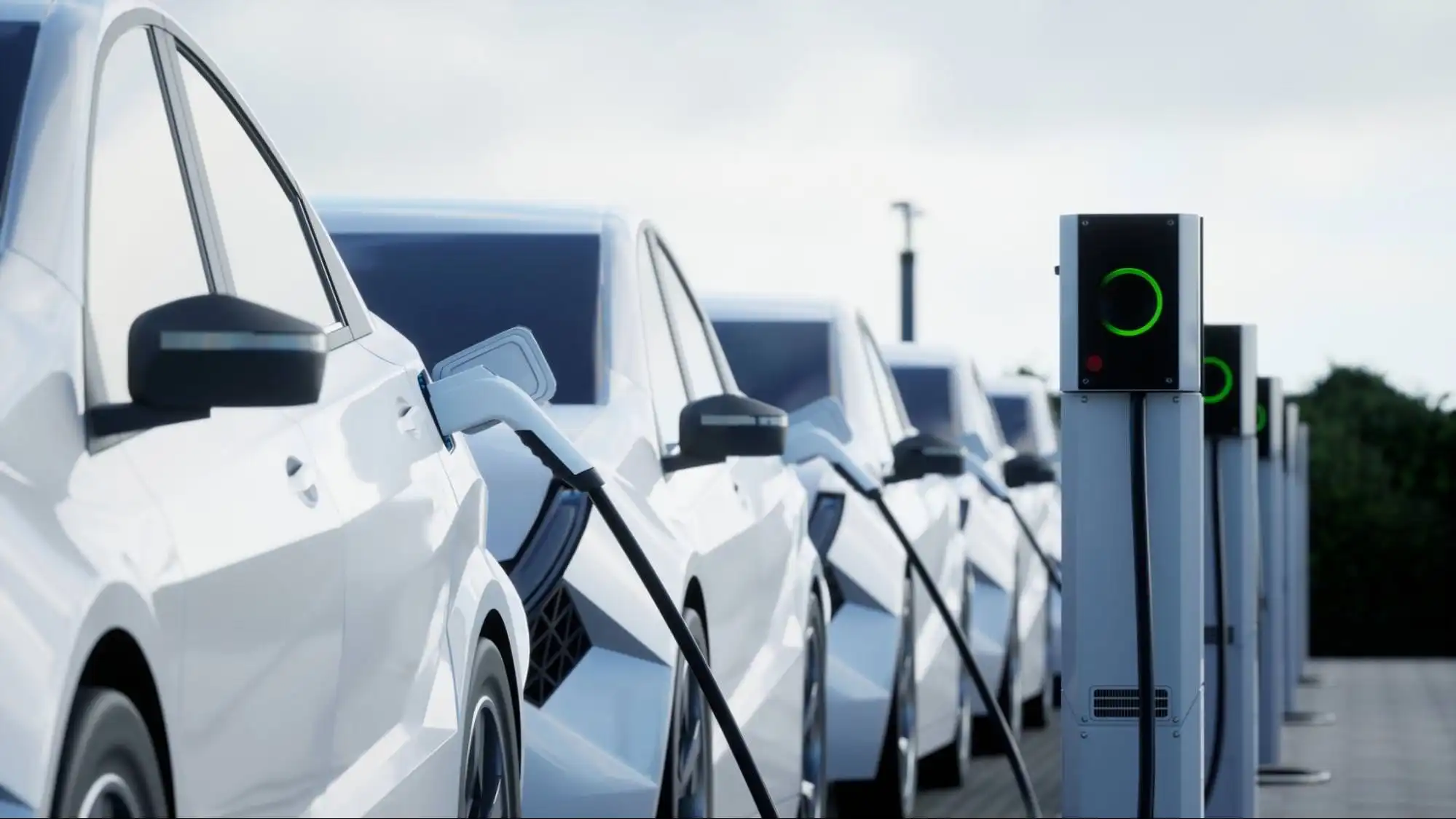
A pilot program in North Carolina is trying to skip the windshield box entirely. The concept is simple: treat the vehicle like a mobile wallet. The new technology car knows where it is through GPS, recognizes when it’s on a tolled segment, and triggers payment automatically through a secure token tied to the vehicle and your chosen payment method.
What’s different about this pilot
Instead of the toll system “reading” a transponder, the vehicle initiates the transaction. The car’s software uses GPS positioning to determine when the car is on a toll road, and then a payment token is used to process the toll without exposing raw card details. The approach is built around the same tokenization logic used in contactless payments, but adapted to a vehicle identity and a tolling environment.
The pilot is being run with the North Carolina Turnpike Authority and Volvo vehicles that support Google built-in / Android Automotive style infotainment. Participation is limited, with the initial pilot designed for a relatively small number of drivers.
Car Insurance Comparisons Now Work Inside ChatGPT
How it would feel for drivers
From the driver’s perspective, the “setup” is the part that matters. In the pilot design, the user enters a payment method once through the vehicle interface and explicitly enables toll payment. After that, tolling becomes background activity. No tag to mount. No tag to transfer. No separate tolling account to babysit every time your commute changes.
The opt-in point is important because in-vehicle payments trigger a familiar concern: nobody wants surprise charges. The pilot messaging emphasizes that drivers have to actively enable it rather than being enrolled by default.
Why toll agencies care (it’s not just convenience)
Tolling authorities have been moving toward cashless, “free-flow” tolling for years, using overhead gantries, cameras, and sensors. That reduces congestion and removes the need for traditional toll booths, but it also increases billing complexity, especially when agencies rely on plate-based billing and need to chase unpaid invoices.
An in-vehicle payment model can reduce that back-office friction. If the vehicle can authenticate and pay directly, there’s less dependence on plate-read accuracy and less follow-up work. It also creates a path to more consistent, real-time settlement rather than delayed invoicing.
Make Sure You’re Not Overpaying
Advertiser Disclosure
RoadBuddy is a free resource that helps drivers compare auto insurance options.
We may receive compensation from some insurance companies and partners when you click on links or request a quote through our site. This may affect where offers appear, but it does not influence our reviews, guidance, or editorial decisions.
Our content is researched and written independently to give you clear and unbiased information.
By using RoadBuddy, you acknowledge and accept this disclosure. Learn more.

The technical catch: new cars benefit first
Transponders are universal because they’re hardware-agnostic. In-vehicle payments are not. Each vehicle platform needs software support, secure identity handling, and a way to tie payments to the car safely.
That means newer vehicles are the natural first wave. Older cars would likely need a bridge device or a different payment approach to participate, which is why this kind of tolling change tends to roll out gradually rather than flipping overnight.
Where this goes next: tolls are the easy starting point
Tolls are a clean use case because the transaction is predictable: you’re on a known road segment and the charge is standardized. If the pilot works, the same foundation can extend to other in-car transactions where drivers already waste time fumbling with apps and payment screens.
Parking is usually the next obvious expansion. Navigation already knows where you’re going. If the car can reserve, authenticate entry, and pay automatically, parking becomes a single flow instead of an app stack.
Longer term, the in-car “wallet” idea could extend to fueling, drive-through ordering, and other vehicle-adjacent purchases. The key question won’t be whether it’s possible. It’ll be whether drivers trust the consent model, the security model, and the dispute process when something goes wrong.
The bigger infrastructure angle: this pushes vehicles closer to V2X
There’s also a strategic layer here that goes beyond payments. A car that can identify itself to infrastructure, communicate securely, and run modern software is closer to the broader vehicle-to-everything (V2X) vision. In that world, cars exchange data with infrastructure about work zones, hazards, and traffic conditions in real time.
In-car tolling doesn’t automatically create V2X safety benefits, but it does normalize connected vehicle identity and real-time infrastructure interaction. That’s one reason transportation agencies are interested in pilots like this: it’s a practical on-ramp to a more connected roadway ecosystem.
What to watch for if this expands
The success of this model depends on three boring but critical things: interoperability, privacy, and disputes.
Interoperability decides whether this stays a one-state, one-brand novelty or becomes something that works across toll agencies and vehicle brands. Privacy decides whether drivers see this as a convenience feature or as another tracking layer they didn’t ask for. Disputes decide whether people stick with it after the first incorrect charge, missed toll, or billing mismatch.
If the pilot proves it can handle those three, “car as mobile wallet” moves from concept to category. If it can’t, the windshield transponder lives another decade.