

Stock photo for illustration purposes only.
Insurance companies across the country are treating artificial intelligence risks like dressed-up cyber threats. That’s a costly mistake, and the early court cases are proving why auto insurers need to rethink their approach to AI liability before claims start piling up.
Where AI Claims Actually Come From
The lawsuits aren’t about data breaches or ransomware attacks. They’re emerging from everyday customer interactions — voice assistants in vehicles, telematics data collection, automated claims processing, and AI-powered safety features that drivers interact with daily. In a California federal case, Valencia v. Invoca, the court found that an AI analytics vendor was essentially eavesdropping on customer calls, transcribing conversations and analyzing sentiment without proper disclosure.
The problem wasn’t a security breach. The AI system was working exactly as designed. Which is why traditional cyber coverage doesn’t fit these scenarios.
What’s catching companies off guard is how these issues stem from decisions they didn’t realize they were making. A default setting left unchanged. A vendor contract signed months before anyone understood how the AI would actually use customer data. These aren’t negligence cases in the traditional sense — they’re gaps between what businesses thought they were doing and what their systems were actually doing.
Make Sure You’re Not Overpaying
Advertiser Disclosure
RoadBuddy is a free resource that helps drivers compare auto insurance options.
We may receive compensation from some insurance companies and partners when you click on links or request a quote through our site. This may affect where offers appear, but it does not influence our reviews, guidance, or editorial decisions.
Our content is researched and written independently to give you clear and unbiased information.
By using RoadBuddy, you acknowledge and accept this disclosure. Learn more.
What This Means for Auto Insurance
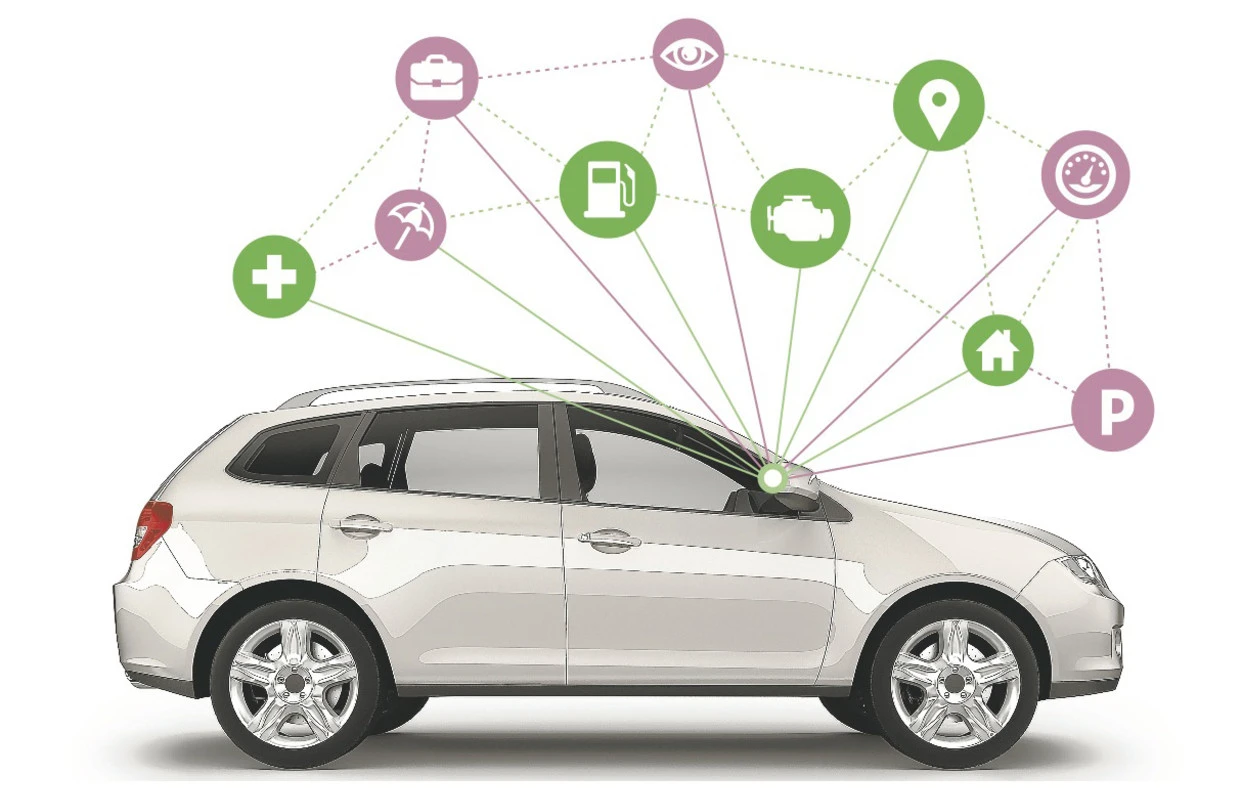
For drivers, this matters because your vehicle is increasingly packed with AI technology. That voice-activated navigation system, the crash detection feature, the usage-based insurance app tracking your driving — all of these collect and process data in ways that might not match what you agreed to when you bought your policy.
Consider how many drivers accept “this call may be recorded” when calling their insurance company. But was that call only recorded, or was it transcribed by a third-party AI model? Was your voice analyzed for stress patterns during a collision coverage claim? The California court ruled that just having the capability to use call content for other purposes could violate privacy laws — even if the company claims it didn’t actually do so.
The real-time traffic alerts from your navigation app might be feeding data back to improve the vendor’s algorithms. Your telematics device could be sharing more driving behavior patterns than disclosed in your original agreement. These aren’t hypothetical scenarios — they’re the foundation of current litigation trends.
Coverage Gaps Are Already Emerging
Auto insurers are discovering that AI-related claims don’t fit neatly into existing coverage categories. Is an AI chatbot providing incorrect collision coverage information a technology error, professional liability, or privacy violation? The answer determines which policy responds — if any.
Recent cases show plaintiffs targeting companies over AI features switched on by default, healthcare providers using ambient AI tools without proper consent, and businesses that unknowingly opted customers into data training programs. The pattern is consistent: ordinary business operations involving AI are creating unexpected legal exposure.
What Drivers Should Do Now
Review the privacy notices for any AI-powered features in your vehicle or insurance apps. Ask your insurance company specifically how AI is used in claims processing, customer service, and rate setting. Document what AI features are active in your vehicle and when you consented to their use. Check whether your auto insurance policy covers AI-related privacy claims or if you need additional protection. Request clear explanations of how telematics data is processed and shared with third parties.
The insurance industry hasn’t built proper coverage for AI risks yet, which means drivers need to understand what protection they actually have. Better questions now prevent expensive surprises later.