
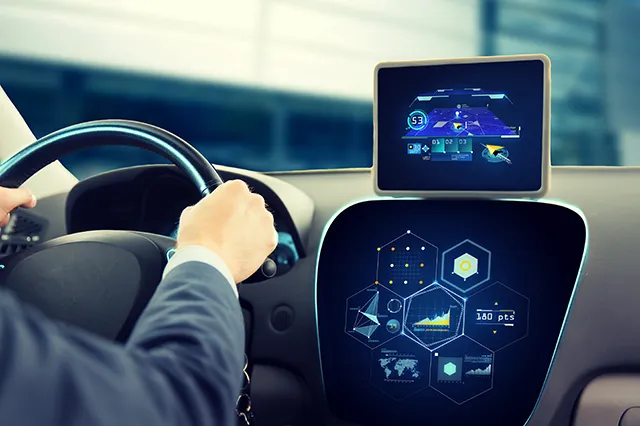
The truth is that cars today are safer than what the majority of people were driving 10 to 15 years back, and it’s not due to one particular aspect. It’s due to the fact that cars are safe in all three aspects, crash avoidance, crash protection in case it’s unavoidable, and better awareness to the driver regarding his surroundings. If you are planning to buy a car or want to make your existing car as safe as possible, it’s important to know what is important and what is just a luxury feature.
Why newer cars protect people better
Of course, better braking and handling are changes you’ll appreciate every day. Tire technology, stability systems, and braking systems have all been improved in recent years, which can help stop a car in a shorter distance and keep you in control in an emergency situation. And then there’s the obvious advancement in terms of technology: driver assistance systems and crash avoidance systems are much more common in modern vehicles, and can actually prevent accidents from occurring in the first place.
The crash protection aspect is also much improved. Modern vehicles are designed to withstand crashes much better than their predecessors. Not only are vehicles stronger in terms of overall structure, but airbags and testing standards have been improved as well. This means that a type of crash that could have been very serious in an older vehicle can actually be survived in a newer one, even before you consider the benefits of crash avoidance systems.
Safety features worth prioritizing when buying a car
One of the most useful features for driving in everyday situations is blind spot warning. It warns you when a car is in your blind spot, which is an area you cannot easily see in your mirrors. Perhaps one of the most common situations where accidents occur is when people make lane changes and merge. Many accidents occur when people are unaware of a car in their blind spot.
Automatic emergency braking is an important feature because rear-end crashes are extremely common. Automatic emergency braking uses sensors to detect when a crash is possible and can stop a car much quicker than a human can react. Many vehicles also have forward collision warning systems, which give you a warning before automatic emergency braking occurs. However, the best systems can stop crashes before they happen in low speeds.
Rear cross traffic warning is helpful in a different situation: backing out of a parking space where your line of sight is blocked by large vehicles. It can warn you of approaching cars, as well as occasionally pedestrians, from the side. In the real world, this one can save people from the “can’t see past that SUV” problem that causes parking lot accidents.
AEB with pedestrian detection is also becoming more important in city driving, where pedestrians and cyclists can be more exposed. There’s a lot of variation in AEB systems that detect pedestrians. Some systems work well in daylight to detect adults. Some systems work better at night. Some systems can detect motion behind the vehicle. If you’re planning to do some shopping, it’s worth seeing if the system has pedestrian detection capability and if it can work at reasonable speeds, not just as an option.
Seat belt reminders sound basic, but they’re part of how manufacturers push consistent seat belt use. Many older vehicles only nagged the driver. Newer systems often alert for multiple rows, which matters for families and rides with passengers in the back seat. The feature doesn’t prevent a crash, but it improves the outcome when one happens.
Make Sure You’re Not Overpaying
Advertiser Disclosure
RoadBuddy is a free resource that helps drivers compare auto insurance options.
We may receive compensation from some insurance companies and partners when you click on links or request a quote through our site. This may affect where offers appear, but it does not influence our reviews, guidance, or editorial decisions.
Our content is researched and written independently to give you clear and unbiased information.
By using RoadBuddy, you acknowledge and accept this disclosure. Learn more.
How to stay safer in the car you already own
Not everyone is able to buy a new car these days, and it is possible to get better safety results without a new car. The simplest and most impactful safety strategies are consistency strategies, such as wearing seat belts, not driving while using a phone, keeping tires and brakes in good shape, and giving yourself more room to react. Good tires and brakes are more important than people want to admit because they affect every stop and every evasive action.
If you have a car with driver assistance systems, it’s a good idea to understand how they work and how they don’t. Some systems work well under good weather and road conditions, then get worse as weather and road conditions get worse.
What to keep in your car for emergencies
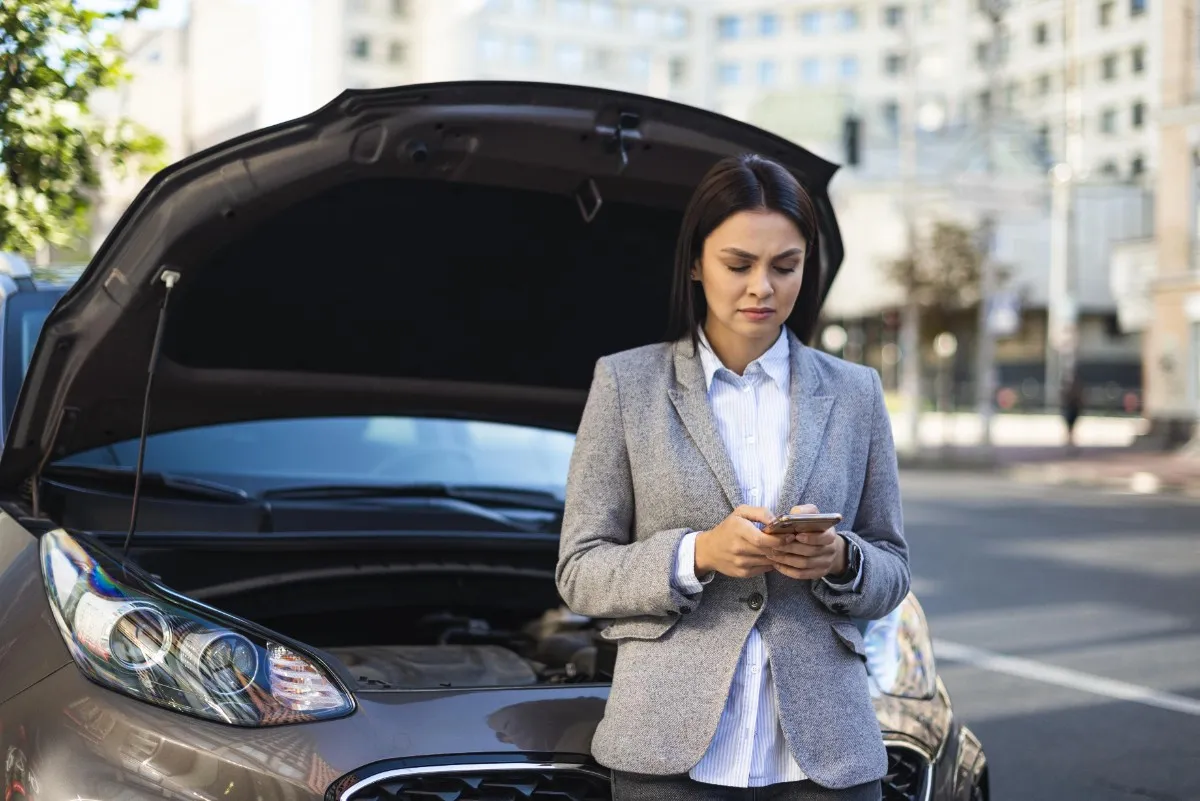
Safety, of course, is not just about crashes. It’s also about what happens when you break down in the middle of the night, in bad weather, or when you have a dead cell phone.
There are a few basics to consider, and they will solve a number of common problems. This includes a cell phone charger, a flashlight, gloves, and a warm item like a blanket or jacket.
A few more items can be added to solve a few more roadside issues. If you live in a winter state, you can add a snow brush and a snow scoop to a roadside safety kit. A shovel can be expensive, but it could be worth it to not have to dig out a stuck car after a winter snowstorm.
A small first aid kit can also be added, mostly for the common injuries that can happen near a stranded vehicle. This includes cuts, burns, and scrapes. The idea, of course, is not to turn into a medical facility in a car filled with equipment. The idea is to have just enough equipment to solve a problem until help arrives.
A simple way to use this when car shopping
If you’re looking for a clean shopping filter for a safe shopping experience, look for a vehicle that has AEB with forward collision warning, blind spot warning, and rear cross traffic warning as a standard item, not as part of a premium package. Crash avoidance is what prevents the accident from happening in the first place. Crash protection is what determines how well you’ll do in the accident that happened anyway. The repair cost determines what the insurance and ownership pain will look like after the accident.