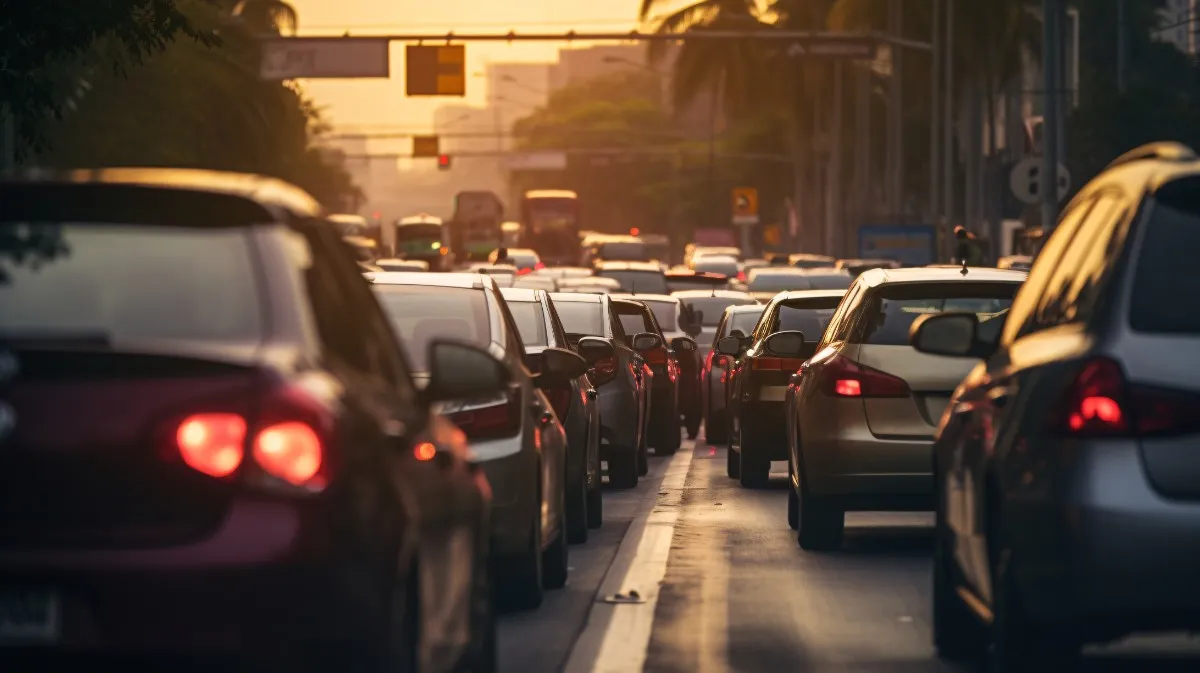

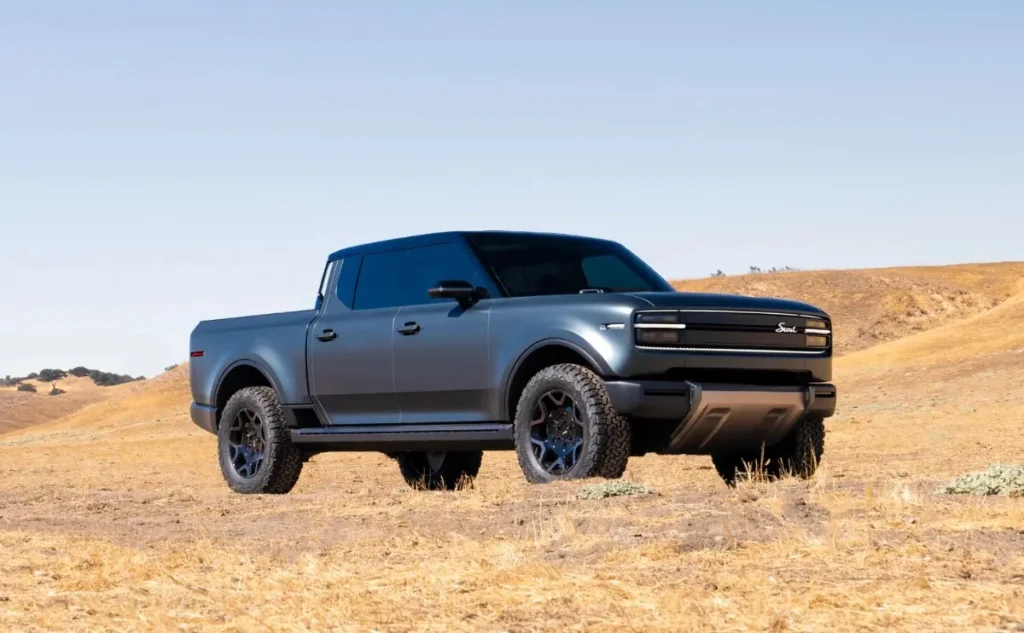
Pickup trucks are everywhere in the US, and for many drivers they feel normal because they’re so common. The problem is that as trucks have gotten taller and heavier, the risk they pose to people outside the vehicle has changed in ways that most buyers never see on a window sticker. Visibility is worse. Impact points are higher. Repair and injury outcomes can be more severe when a large truck hits a pedestrian, cyclist, or smaller car.
A crash story that shows the human cost
In late 2020, Eva Barcza was walking near her home in a suburb in New Jersey when she was hit in a crosswalk by a 2020 Jeep Gladiator. Her husband found her in the crosswalk. She later died at the hospital. The driver claimed he never saw her. The police investigated the incident, after which the driver was not charged.
Her daughter, Mary Barcza, later started working with Families for Safe Streets. This is a lobby group advocating for families who have been affected by road accidents. They have been advocating for reduced speed limits in urban areas. They have been advocating for warnings at the point of sale regarding the danger posed by a large vehicle to others. For families who have gone through this, it is not an abstract concept. It is a matter of whether the design of a car makes a difference in who lives or dies.
The visibility problem: tall hoods create larger front blind zones
A major safety issue with larger pickups is front visibility. Taller vehicles with long hoods can create a blind spot directly in front of the truck that is large enough to hide a person. That matters in driveways, parking lots, crosswalk approaches, and low-speed turning situations where drivers assume they can see what’s in front of them.
A type of crash that safety researchers refer to as a “frontover” is when a driver strikes a person in the blind spot in front of them while moving forward slowly. Children are particularly at risk because they are small enough to be completely within the driver’s blind spot in some vehicles.
The larger the hood height, the larger the blind spot. The flatter the front end of the vehicle, the larger the area in front of the vehicle that the driver cannot see.
How Long a Speeding Ticket Stays On Your Record
Size and weight trends: trucks are bigger than they used to be
Over the last two decades, pickups have trended taller and heavier. This is not only about styling. Taller front ends, higher ground clearance, larger grilles, and larger cabs add weight and change geometry. In some heavy-duty trucks, the front edge of the hood can sit high enough to align with the roof height of some sedans, which changes both visibility and crash dynamics.
Manufacturers often explain these changes using customer preferences and functional demands. Buyers want towing capability, payload, off-road clearance, and a certain design language that signals strength. Cooling requirements and grille size are also commonly cited in relation to towing performance. These explanations can be true while still creating a safety cost when the same vehicles are used in everyday environments with pedestrians.
Why big pickups are more dangerous in pedestrian crashes
When a vehicle strikes a pedestrian, the front-end geometry affects how the body is impacted and where the force is transferred. Lower-profile cars often strike lower on the body, which can lead to the pedestrian rolling onto the hood. Taller, more vertical front ends are more likely to hit higher on the body, including the pelvis and torso, and can increase the risk of severe trauma.
Higher bumpers and taller front ends also increase the chance of the pedestrian being pushed forward and down, which can lead to a run-over scenario. Researchers have flagged hood height as a meaningful indicator of fatality risk in pedestrian crashes, especially as hood heights move beyond certain thresholds.
Make Sure You’re Not Overpaying
Advertiser Disclosure
RoadBuddy is a free resource that helps drivers compare auto insurance options.
We may receive compensation from some insurance companies and partners when you click on links or request a quote through our site. This may affect where offers appear, but it does not influence our reviews, guidance, or editorial decisions.
Our content is researched and written independently to give you clear and unbiased information.
By using RoadBuddy, you acknowledge and accept this disclosure. Learn more.

Bigger vehicles also change outcomes for people in smaller cars
Truck-to-car crashes are not only about speed. Mass and ride height matter. Larger pickups are heavier and have a higher front profile, which can override the crash structures of smaller cars and direct forces into areas that are harder to protect.
The people most exposed to this are often not the ones choosing the trucks. Drivers in smaller, lighter vehicles tend to have lower incomes on average, and they have less physical protection when a high, heavy vehicle hits them. This ties vehicle design trends to equity outcomes on the road.
Advanced safety tech helps, but it isn’t evenly standard
Driver-assistance features can prevent crashes or reduce severity, especially automatic emergency braking with pedestrian detection. The problem is that safety technology does not appear uniformly across the truck market. Some models include strong systems as standard, while others require higher trims or optional packages. In some cases, key features remain unavailable on certain vehicles.
This matters because larger vehicles have more potential to cause harm in certain crash types. When the most consequential vehicles do not consistently include the best available crash-avoidance tech, the safety gap becomes more visible.
Why the market keeps rewarding bigger trucks
Trucks dominate US sales charts, and full-sized pickups are the core of the segment. For automakers, pickups are also among the most profitable vehicles, which makes design reversals unlikely. Buyers pay for capability, towing, cabin size, and image. Marketing frequently sells trucks as lifestyle and identity vehicles, not only as tools.
Another set of reasons why trucks are the norm in the US is policy-based. The policy reasons why trucks are the norm in the US include fuel economy standards that treat trucks differently from passenger vehicles in ways that can influence people toward buying larger vehicles.
What safety advocates and regulators focus on
Safety advocates typically focus on a few practical levers:
- Better visibility and front-end design that reduces blind zones
- Standardizing crash-avoidance systems across all trims and models
- Stronger pedestrian safety testing and consumer-facing ratings
- Lower speed limits and road design improvements in pedestrian-heavy areas
Vehicle standards can shift over time, and requirements for effective emergency braking are moving in that direction. Road design also matters because speed is a major determinant of survival in pedestrian crashes, regardless of vehicle type.
If you want truck capability without full-size truck risk
Some people really do need a full-sized truck. Many people don’t. If your needs are for occasional hauling, weekend projects, or light towing, there are other vehicles available that can meet your needs with a smaller size and weight.
A smaller, lower-profile car-based truck can handle your bike, mulch, and home improvement runs without the same front-end clearance as a traditional full-size truck. Midsize SUVs can tow decent weights for occasional use, especially with a tow package installed. Compact vans offer excellent hauling capacity with car-like driving characteristics and better visibility.
Renting a full-sized truck for the few days per year you need one might just be a solution for you, eliminating the need for owning a vehicle with capabilities far beyond your needs.
The bottom line
There is a lot of capability with large pickups. There is also a lot of design element with large pickups that can increase the risk of injury or death for pedestrians and smaller vehicles in environments where visibility and reaction time are already compromised. As trucks continue to reign supreme in the US market, the conversation surrounding truck safety continues to focus on design factors like hood height, blind spots, and whether or not proven technologies to avoid crashes are standard equipment on trucks.
If the public is made more aware of these factors before they ever purchase a vehicle, then the pressure on manufacturers is clear. If not, then it is up to the infrastructure of the country to try and mitigate the damage caused by the proliferation of these vehicles.