

Insurance agencies are adopting AI tools to automate quoting, customer service, and claims processing. These advances could mean faster service and better rates for drivers seeking car insurance.
Trends







Turning 16 is exciting. Adding a teen to your car insurance is not.
For a lot of families, the driver’s license comes with a second milestone: the moment you open your renewal or run a quote and realize the premium jumped way more…

Cheapest Car Insurance in New Jersey: What to Know Before You Shop
New Jersey is an expensive state for auto insurance, and the gap between “minimum coverage” and “full coverage” is usually huge. A typical driver can see full coverage pricing land…

Safer Cars, Smarter Features: What to Look For and What to Keep in Your Trunk
The truth is that cars today are safer than what the majority of people were driving 10 to 15 years back, and it’s not due to one particular aspect. It’s…
State Farm says it will return $5 billion to auto customers
State Farm says it plans to refund $5 billion to its auto insurance customers, averaging about $100 per vehicle, in what it describes as the largest dividend payout in the…

Commercial auto insurance is getting bigger, faster, and more tech-driven
Commercial auto insurance is no longer a niche product that simply follows the trucking cycle. It’s becoming a key battleground for insurers because fleets are growing, delivery traffic is constant,…
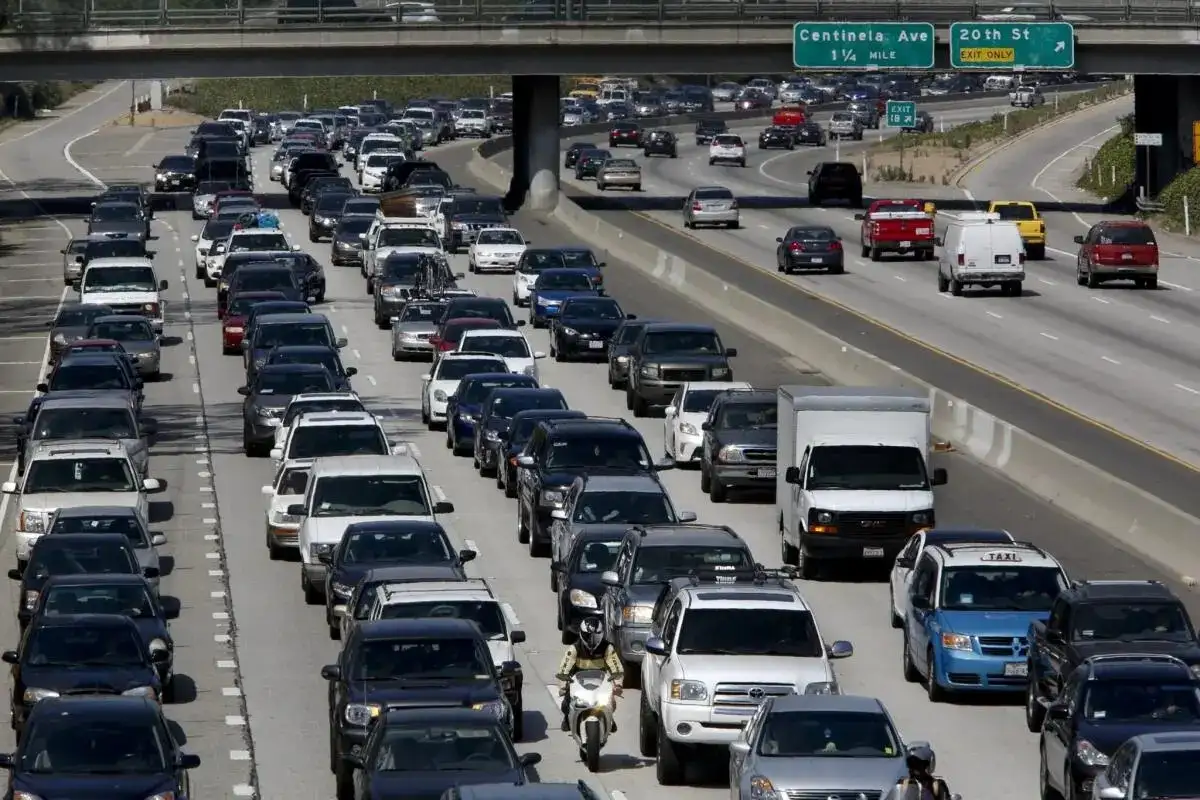
Why your car insurance is so high, and what actually moves the price
A lot of drivers look at their renewal and assume the increase must be tied to something obvious, like a ticket or an accident. Sometimes that’s the reason. Often it’s…
The category “Trends” discusses auto insurance trends, which affect auto insurance pricing, the conditions attached to individual insurance policies, and auto insurance providers’ decisions in general. Auto insurance trends are based on observable trends in how auto insurance policies are priced, how risks associated with the private vehicle industry are assessed, and variations in the decisions and actions of auto insurance providers in reaction to emerging pressure from the economy and technology.
Core Car Insurance Trends Shaping the Market
Current car insurance trends are mostly a result of a combination of cost pressure and reassessment of risks. The cost of repairs for damaged vehicles is increasing due to a shortage of workers in the industry, an increase in parts’ cost, and an increase in the sophistication involved in managing a car. Even small vehicular damages include high-tech sensors, cameras, and other electronic devices, impacting insurance premium trends directly.
Similarly, an insurance trend in the auto insurance industry pertains to regulation. Rules regarding such factors as the speed with which insurance rates can increase and the basis upon which rates can be computed vary from state to state, resulting in a patchwork in which the same driver profile can be charged different premiums depending upon the location in which the applicant resides. This is why some states see a greater rate of increase in premiums than others.
Insurance Premium Trends and Pricing Signals
Insurance premium trends are a function of long-term calculations rather than isolated, short-term events. Insurers consider claim severity, legal costs, fraud exposure, and catastrophe risk when determining rates. Broad-based increases are indicative of sustained pressure rather than discrete losses.
However, simultaneously, competition also exists. This happens in segments, where insurers try to attract low-risk drivers by offering them discounts. Thus, the understanding of this helps drivers make informed decisions before the start of the renewal periods.
Technology is still affecting the price. Data-driven underwriting, telematics programs, and risk scoring are the future. The above auto insurance trends will affect the rate at which the premium changes based on the driving records. This might affect some people precisely or cause their premium to increase quickly.
Why Monitoring Auto Insurance Trends Matters
Most people only review their policy at the renewal date. By that point, any changes to the pricing will already have been implemented. By reviewing the auto insurance trends presented earlier, one can make sense out of the quotes, changes, and behavior. One can even make sense out of the senseless: should the policyholder switch insurance companies, add or drop a coverage, or wait to purchase the automobile. This category is meant to show reviewing patterns over a period of time. The focus remains on car insurance trends, insurance premium trends, and the rest of the auto insurance industry.
Check out the latest articles for information on current auto insurance rates to save on your policy premium.