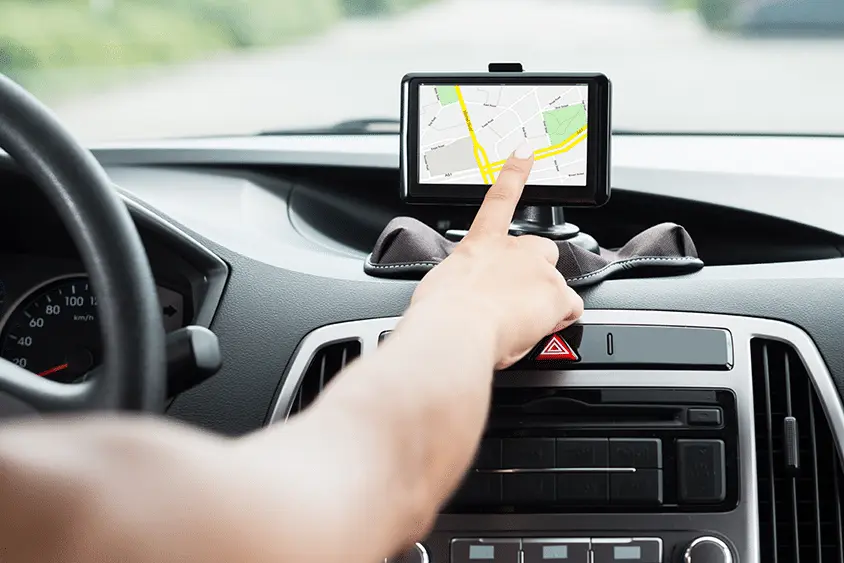


Stock photo for illustration purposes only.
Your car’s connected to the internet. So is your insurance company’s entire claims system. That reality hit home harder in 2025 when cyber insurance claims jumped 45%, according to new industry data that reveals how digital attacks are reshaping risk across every sector—including auto insurance.
Small Hackers, Big Problems
The surge isn’t coming from sophisticated criminal organizations anymore. Instead, smaller groups with basic tools are flooding the market with simpler attacks that don’t require expensive encryption software. These newcomers focus on stealing data rather than locking up computer systems entirely.
What’s particularly troubling? These smaller groups don’t follow the unwritten rules that larger cybercriminal organizations once respected. When they get paid, they sometimes demand more money anyway—or fail to unlock systems as promised. It’s like dealing with amateur scammers instead of professional thieves.
The shift has real implications for drivers whose insurance companies handle everything from telematics data to digital claims processing through apps like RoadBuddy that integrate with multiple insurance systems.
Make Sure You’re Not Overpaying
Advertiser Disclosure
RoadBuddy is a free resource that helps drivers compare auto insurance options.
We may receive compensation from some insurance companies and partners when you click on links or request a quote through our site. This may affect where offers appear, but it does not influence our reviews, guidance, or editorial decisions.
Our content is researched and written independently to give you clear and unbiased information.
By using RoadBuddy, you acknowledge and accept this disclosure. Learn more.
Why This Hits Auto Insurance Hard
Vehicle insurance companies collect massive amounts of driver data through smartphone apps, connected car systems, and real-time traffic monitoring. A single breach at an insurance provider could expose driving patterns, location history, and personal details for millions of policyholders.
Manufacturing companies—which include automakers—faced the highest concentration of severe attacks last year. Since most major insurers like Nationwide and GEICO rely heavily on digital systems for everything from liability insurance quotes to safe driver discount calculations, they’re prime targets too.
Even worse, the average cost to recover from these attacks has created a domino effect. While ransom payments dropped 44% between 2022 and 2025 as companies got better at negotiations, the overall volume increase means the total damage keeps climbing.
Connected Cars Create New Vulnerabilities
Modern vehicles generate roughly 25 gigabytes of data per hour through various sensors and connectivity features. Insurance companies increasingly use this information for usage-based pricing and claims verification. But every data connection creates another potential entry point for attackers.
Consider how many systems touch your auto insurance experience: the navigation app tracking your routes, the smartphone app you use to file claims, the telematics device monitoring your driving habits, and the insurance company’s backend systems processing payments. Each represents a potential vulnerability that didn’t exist when insurance meant just mailing in paper forms.
What Drivers Should Do Now
Review what data your insurance apps collect and whether you can limit sharing without losing discounts. Most insurers offer multiple tiers of data sharing for programs like safe driver discounts—you might not need to share location data 24/7 to qualify for savings.
Keep your insurance company’s contact information in multiple places, not just stored in smartphone apps. If their systems go down during an attack, you’ll need alternative ways to report claims or access policy information.
Consider how much personal information you store in connected car systems and insurance mobile apps. The less sensitive data available in one place, the lower your exposure if that system gets compromised.
Ask your insurance provider about their cybersecurity practices when shopping for coverage. Companies with stronger digital defenses are less likely to experience service disruptions that could delay your claims or policy updates.
Monitor your insurance statements more closely for unexpected changes that could indicate unauthorized access to your account.
The intersection of cyber risk and vehicle insurance isn’t going away—it’s accelerating as cars become more connected and insurance companies rely more heavily on digital systems for everything from route planning to risk assessment.