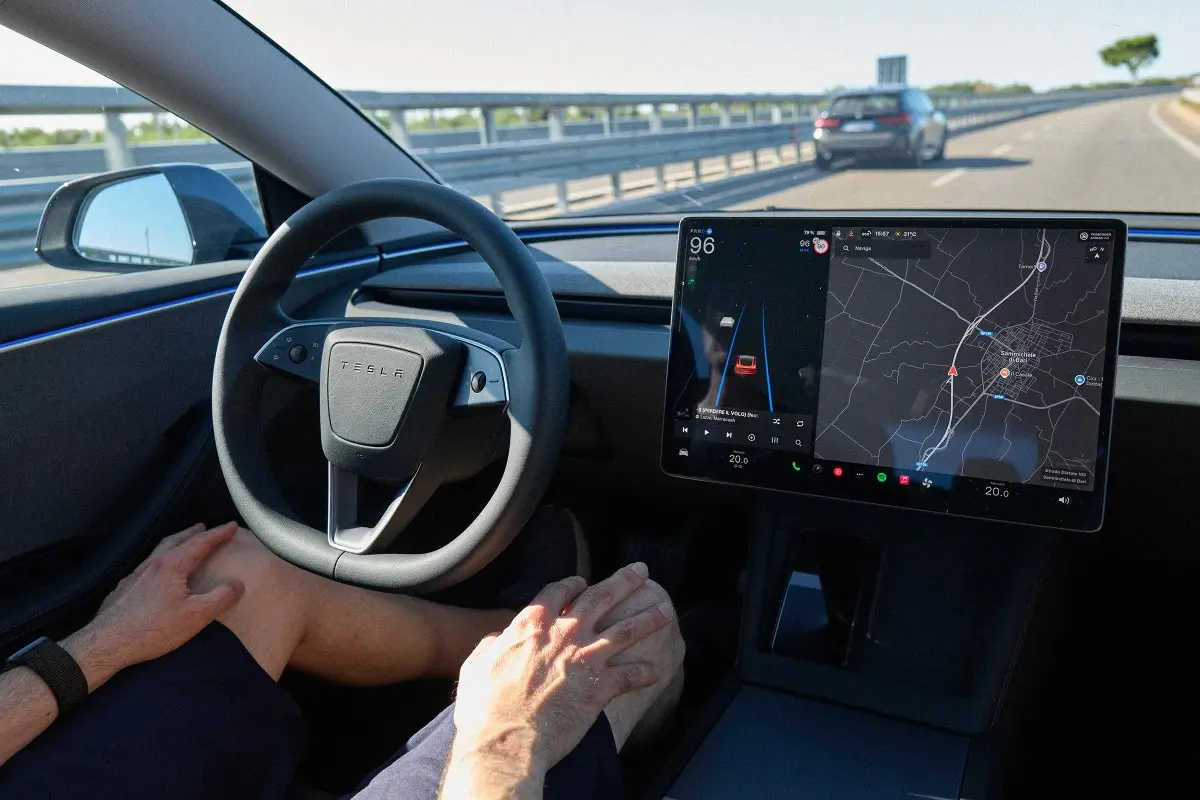


Stock photo for illustration purposes only.
The artificial intelligence revolution isn’t just changing how we drive—it’s reshaping how insurance companies think about risk. As AI demands explode, data centers are expanding at breakneck speed, and insurers like Willis are crafting entirely new approaches to coverage that could signal major changes ahead for vehicle insurance rates and technology integration.
The Infrastructure Behind Your Smart Car
Every time you use RoadBuddy’s real-time traffic updates or your car’s AI-powered navigation, you’re tapping into massive data centers that require unprecedented insurance solutions. George Haitsch from Willis recently explained at RIMS RISKWORLD how these facilities need “significantly enlarged data centers” to handle AI’s computational demands.
These aren’t your typical office buildings. Some hyperscale campuses feature 15 to 20 separate structures, each coming online at different stages. That complexity mirrors what we’re seeing in vehicle insurance—where telematics, autonomous features, and connected car technologies are creating new risk categories that traditional policies struggle to address.
Make Sure You’re Not Overpaying
Advertiser Disclosure
RoadBuddy is a free resource that helps drivers compare auto insurance options.
We may receive compensation from some insurance companies and partners when you click on links or request a quote through our site. This may affect where offers appear, but it does not influence our reviews, guidance, or editorial decisions.
Our content is researched and written independently to give you clear and unbiased information.
By using RoadBuddy, you acknowledge and accept this disclosure. Learn more.

What This Means for Vehicle Insurance Innovation
The seamless coverage approach Willis developed for data centers—managing risks “from construction through operational without any handovers”—hints at where vehicle insurance might be headed. Currently, drivers often juggle separate policies for different scenarios: comprehensive coverage, collision, liability, and gap insurance that don’t always work together smoothly.
This data center model suggests insurers are learning to think beyond traditional silos. For drivers, that could mean more integrated policies that adapt as your vehicle’s technology evolves. Instead of adding separate coverage for each new smart feature, future policies might automatically adjust as automakers push software updates to your car.
Progressive and Allstate are already experimenting with usage-based insurance that responds to real-time driving data. The infrastructure being built for AI could accelerate these innovations, making dynamic pricing and instant coverage adjustments more feasible.
The Technology Investment Behind Better Coverage
According to industry analysis, data center construction investment has tripled since 2020, largely driven by AI applications. This massive capital deployment is forcing insurers to develop more sophisticated risk assessment tools—the same tools that could eventually make your car insurance rates more precise and potentially lower.
The comprehensive risk management framework Willis created for data centers addresses everything from construction risks to cyber threats once systems go live. That holistic approach could benefit drivers dealing with increasingly complex vehicle technology that blurs the line between traditional auto coverage and cyber insurance.
What Drivers Should Do Now
Review your current policy to understand how it handles technology-related risks like data breaches or software malfunctions in your connected vehicle. Many standard policies don’t adequately cover these emerging risks.
Ask your insurance agent about usage-based insurance programs if you haven’t already. The infrastructure investments happening now will likely make these programs more sophisticated and potentially more beneficial for safe drivers.
Consider how your vehicle’s smart features might affect your coverage needs. Features like automatic emergency braking or lane departure warnings could qualify you for safety discounts with some insurers.
Stay informed about policy changes as insurers adapt to new technologies. The seamless, comprehensive approach being developed for complex infrastructure projects could soon apply to vehicle coverage.
Keep records of your vehicle’s safety features and any software updates. As policies become more dynamic, documentation of your car’s capabilities could help you secure better rates.
The insurance industry’s response to AI infrastructure challenges shows how quickly coverage solutions can evolve when technology demands it. Smart navigation and road safety technology will likely drive similar innovations in auto insurance.